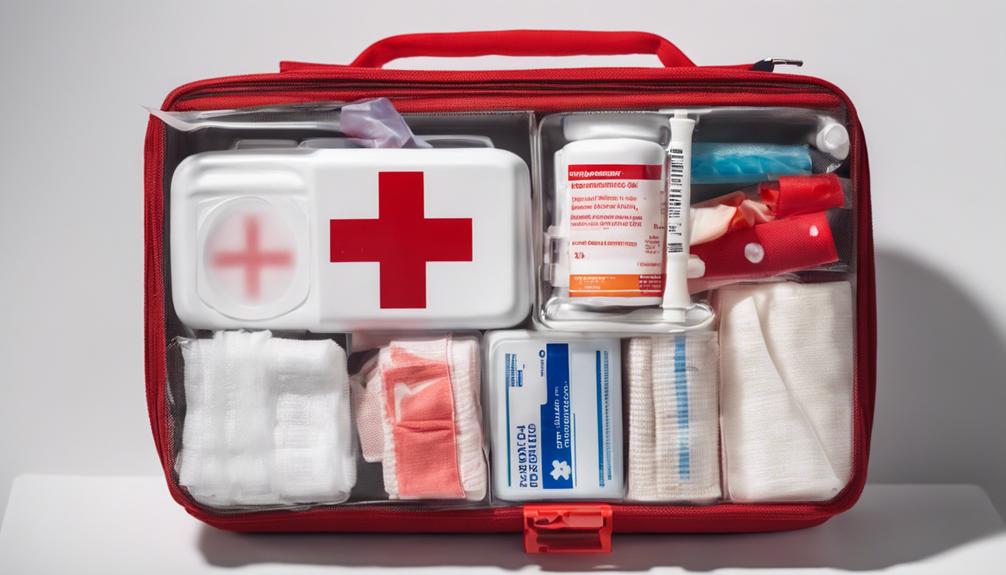
We understand accidents can happen anytime, and as parents, it’s vital we’re prepared to provide basic care. We should be aware of how to stop bleeding, clean wounds, and apply antibiotic ointments for cuts and scrapes. We must recognize signs of breathing emergencies, like asthma attacks and blocked airways, and know how to respond. We should be able to manage broken bones and sprains, treat burns and electric shocks, and deal with allergic reactions. By knowing these first aid essentials, we can help our kids feel better and stay safe. Now, let’s get started on mastering these lifesaving skills. In addition to physical injuries, it’s important to recognize the emotional impact of accidents and provide mental health first aid when needed. Children may feel scared or anxious after an incident, so offering reassurance and staying calm can help them cope. By addressing both physical and emotional well-being, we can ensure our kids recover more comfortably and confidently.
Caring for Cuts and Scrapes
When our kids trip and fall, we're often faced with cuts and scrapes that need attention, and being prepared to provide basic wound care can help prevent infection and promote healing. As parents, it's crucial to know the basics of wound care to make sure our little ones receive the best possible care.
We should always wash our hands thoroughly before touching the affected area to prevent the spread of infection. Next, we need to stop the bleeding by applying gentle pressure to the cut or scrape using a clean cloth or bandage. Elevating the injured area above heart level can also help reduce bleeding. Once the bleeding has stopped, we should clean the wound with cool or lukewarm water and mild soap. Avoid using harsh soap, hydrogen peroxide, or iodine, as these can irritate the skin and delay healing.
After cleaning the wound, we should apply an antibiotic ointment to reduce the risk of infection. Covering the wound with a bandage or dressing can protect it from dirt and bacteria. We should also keep an eye on the wound for signs of infection, such as increased redness, swelling, or pus. If we're unsure about the severity of the wound or notice any signs of infection, it's always best to consult a healthcare professional for further guidance. By being prepared and knowing the basics of wound care, we can provide our kids with the best possible care and help them heal quickly and effectively.
Responding to Breathing Emergencies
As we tend to our kids' scrapes and cuts, we must also be prepared to respond to breathing emergencies, which can arise suddenly and without warning. It's essential that we understand how to recognize the signs of breathing distress and take immediate action to help our child breathe easily again.
One of the most common breathing emergencies we may face as parents is a blocked airway. This can happen when food, liquids, or small objects get stuck in the airway, preventing our child from breathing. We must be knowledgeable on how to perform the Heimlich maneuver to dislodge the blockage and restore breathing.
Another breathing emergency is asthma attacks. As parents, we should be mindful of the signs of an asthma attack, such as wheezing, coughing, and shortness of breath. We should know how to administer medication, such as an inhaler, and when to seek medical help.
Here's a quick reference guide to help us respond to breathing emergencies:
| Emergency | Signs and Symptoms | Response |
|---|---|---|
| Blocked Airway | Choking, gagging, inability to breathe | Heimlich maneuver, back blows |
| Asthma Attack | Wheezing, coughing, shortness of breath | Administer inhaler, seek medical help |
| Respiratory Distress | Rapid breathing, flaring nostrils, grunting | Provide oxygen, seek medical help |
Managing Broken Bones and Sprains
It's essential for us to understand how to respond promptly and effectively when we're likely to encounter broken bones and sprains in our kids, especially during playtime or sports activities. As parents, it's important that we are aware of how to provide comfort and relief until medical help arrives in case of a broken bone or sprain, which can be a scary experience for our child.
When dealing with a suspected broken bone or sprain, our priority is to immobilize the affected area to prevent further injury. Here are some essential tips to keep in mind:
- Stop the activity: If our child suffers an injury during play or sports, stop the activity immediately to prevent further harm.
- Apply the RICE principle: Rest, Ice, Compression, and Elevation can help reduce pain and swelling in the affected area.
- Immobilize the area: Use a splint or sling to immobilize the affected limb or joint to prevent further injury.
Treating Burns and Electric Shocks
Treating burns and electric shocks requires swift and careful attention, as these injuries can quickly escalate into serious health threats if not handled properly. As parents, we understand that accidents can happen in the blink of an eye, and it's essential we're prepared to respond promptly and effectively. When it comes to burns, we need to cool the affected area with cool or lukewarm water for 10-15 minutes to reduce the temperature of the skin and ease the pain. Remove any clothing or jewelry near the burned area, as these can stick to the burn and cause further damage. Apply a topical antibiotic ointment and cover the burn with a non-stick, sterile bandage or dressing. For electric shocks, our priority is to make sure the person is no longer in contact with the electrical source. Check their airway, breathing, and circulation, and provide rescue breathing or CPR if necessary. We should also treat for shock by laying them down, elevating their legs, and keeping them calm and still. Remember to seek immediate medical attention for severe burns or electric shocks, as they can be life-threatening if not treated promptly and properly. By understanding how to respond to these emergencies, we can provide critical care and make a significant difference in our child's recovery.
Dealing With Allergic Reactions
While responding to burns and electric shocks requires swift action, allergic reactions can be just as urgent, and we need to know how to identify and respond to them quickly to prevent serious consequences. As parents, we need to be prepared to handle allergic reactions, which can range from mild to life-threatening.
When our child experiences an allergic reaction, every minute counts. We need to recognize the symptoms, which can include hives, itching, swelling, stomach cramps, diarrhea, and difficulty breathing. In severe cases, an allergic reaction can lead to anaphylaxis, a life-threatening condition that requires immediate medical attention.
Here are some essential steps to take when dealing with an allergic reaction:
- Identify and remove the allergen: If we suspect an allergic reaction, we need to quickly identify the cause and remove it from our child's environment.
- Administer medication: If our child has a history of allergic reactions, we may need to administer medication, such as an EpiPen, according to the prescribed instructions.
- Seek medical attention: If our child's symptoms worsen or do not improve with treatment, we need to seek immediate medical attention.
Frequently Asked Questions
What Are the Signs of Shock in Children?
When we're caring for kids, it's essential we recognize the signs of shock. We need to act fast if we notice pale or cool skin, a rapid or weak pulse, shallow breathing, or a decrease in responsiveness. Other red flags include nausea, dizziness, or a rapid heartbeat. If we suspect shock, we should call for medical help immediately and try to keep the child calm and comfortable until help arrives.
How Do I Know if My Child Has a Concussion?
We are aware of the signs to watch for potential head injuries in our kids. When it comes to concussions, we are mindful to watch for signs like dizziness, vomiting, or confusion. If our child takes a hit to the head or face, we inspect for symptoms like blurred vision, sensitivity to light, or unusual behavior. We also ask them questions to test their memory and attention. If we're unsure, we err on the side of caution and seek medical attention right away. Better safe than sorry!
Can I Use Expired First Aid Supplies?
Like a detective searching for clues, we scrutinize our first aid kits, wondering if those expired supplies are still reliable. Honestly, it's better to err on the side of caution. Expired Supplies can be like a ticking time bomb – they might not work as promised, and that's a risk we're not willing to take. We replace them to make certain our kits are always ready to save the day.
What Is the Proper Way to Dispose of Used Supplies?
We're glad you asked! When it comes to disposing of used first aid supplies, we're careful to do it responsibly. We make sure to separate materials like bandages, gloves, and wipes from recyclables. We wrap up sharp objects like needles and scissors in a puncture-resistant container before tossing them. And, of course, we always check with our local authorities for specific guidelines on disposing of hazardous waste.
Can I Give My Child Medication for Pain Relief?
It is understandable that we may be tempted to reach for medication to soothe our child's pain, but we shouldn't give them medication without consulting a doctor first. We've all been there – our little one is crying in agony, and we want to help them feel better fast. But, we must resist the urge to self-medicate. Instead, we should consult with our pediatrician to determine the appropriate dosage and medication for our child's specific needs.