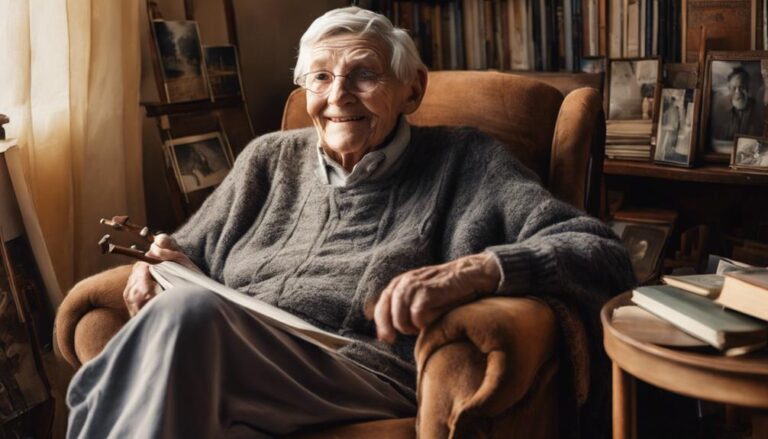
As we navigate the challenges of aging, we're not alone in facing a complex landscape of physical, social, and emotional changes that can impact our well-being. We understand the importance of prioritizing our health, staying socially engaged, and challenging our minds to stay sharp. We must acknowledge our emotions, focus on what we can control, and practice gratitude. Building a support network, adapting to lifestyle changes, and seeking support when needed are also fundamental. By embracing these changes and taking small steps towards a healthier, more fulfilling life, we'll discover new opportunities for growth and connection – and we're just getting started.
Maintaining Physical Health
As we age, many of us struggle to maintain our physical health, with nearly 80% of older adults experiencing at least one chronic condition that can greatly impact our quality of life. We may find ourselves dealing with conditions like arthritis, diabetes, or heart disease, which can make everyday activities a challenge.
We understand that it's important to take proactive steps to manage our health, but it can be overwhelming. Where do we even begin? We've learned that it's essential to prioritize self-care and make healthy lifestyle choices. We can start by making small changes to our daily routines, such as taking short walks, practicing gentle exercises, or incorporating healthy meals into our diets.
It's also crucial that we stay on top of our health check-ups and adhere to our medication regimens. We shouldn't be afraid to ask for help or seek support from healthcare professionals, family, or friends when we need it. By taking these steps, we can better manage our chronic conditions, reduce the risk of complications, and improve our overall well-being. We're not alone in this journey, and with the right mindset and support, we can maintain our physical health and live fulfilling lives as we age.
Staying Socially Engaged
While maintaining our physical health is essential, we're also aware that social connections play a significant role in our overall well-being as we age. We've learned that staying socially engaged is vital to preventing feelings of loneliness and isolation, which can negatively impact our mental and emotional health.
To stay socially engaged, we've found that joining clubs or organizations that align with our interests is a great way to meet like-minded people. We've also discovered that volunteering is a wonderful way to give back to our communities while meeting new people. Additionally, we've learned that taking classes or workshops is an excellent way to learn new skills and meet others who share our passions.
Here are some ways we stay socially engaged:
| Activity | Benefits | Tips |
|---|---|---|
| Join a club or organization | Meet like-minded people, stay engaged | Research local clubs that align with your interests |
| Volunteer | Give back to the community, meet new people | Look for opportunities at local non-profits or charities |
| Take a class or workshop | Learn new skills, meet others with similar interests | Check local community colleges or online courses |
Managing Cognitive Decline
As we navigate the challenges of aging, we're acutely aware that managing cognitive decline is vital to maintaining our independence and quality of life. We're enthusiastic to explore strategies that promote brain health and prevent memory loss, ensuring we can continue to live life to the fullest. By understanding what we can do to support our cognitive well-being, we can take proactive steps to safeguard our mental acuity.
Brain Health Strategies
By incorporating specific brain-boosting habits into our daily routine, we can take proactive steps towards protecting our cognitive function and reducing the risk of decline. We can start by challenging our minds with mentally stimulating activities, such as reading, puzzles, and learning new skills. Social engagement is also essential, as it helps build cognitive reserve and reduces feelings of loneliness. We should make an effort to stay connected with friends and family, and consider joining clubs or groups that align with our interests.
In addition, we can prioritize physical exercise, which has been shown to improve blood flow to the brain and promote neuroplasticity. Even moderate exercise, such as brisk walking, can have a significant impact. We should also pay attention to our sleep quality, aiming for 7-9 hours of restful sleep each night to help our brains function at their best. By incorporating these habits into our daily routine, we can take control of our brain health and set ourselves up for a healthier, happier future.
Memory Loss Prevention
We can take proactive steps to prevent memory loss and manage cognitive decline by paying attention to our diet and lifestyle choices, which have been shown to have a significant impact on our brain health. A well-balanced diet rich in fruits, vegetables, and omega-3 fatty acids can help support brain function. Regular exercise, social engagement, and mental stimulation can also help build cognitive reserve and reduce the risk of dementia.
Here are some specific strategies we can incorporate into our daily lives to support brain health:
| Strategy | Benefits | Tips |
|---|---|---|
| Meditation | Reduces stress, improves focus | Start with 5-10 minute daily sessions |
| Reading | Enhances cognitive function | Choose books that challenge your mind |
| Socializing | Builds cognitive reserve | Engage in group activities, volunteer |
| Exercise | Improves blood flow to brain | Aim for 30 minutes of moderate exercise daily |
| Puzzles | Enhances problem-solving skills | Try crosswords, Sudoku, or brain teasers |
Building Emotional Resilience
Embracing our emotional vulnerabilities and confronting the inevitable losses that come with aging can be a challenging task, but it's an essential step in building emotional resilience. We've all experienced loss in one form or another, whether it's the loss of a loved one, declining health, or the loss of independence. These experiences can be emotionally overwhelming, but we can't let them define us. We must acknowledge our emotions, process our grief, and find ways to cope with our new reality.
One effective way to build emotional resilience is to focus on the things we can control. We can't change the fact that our bodies are aging, but we can control how we respond to it. We can choose to focus on the things that bring us joy, practice gratitude, and cultivate a positive mindset. We can also develop coping strategies, such as meditation, exercise, or creative pursuits, to help us navigate difficult emotions.
Creating a Support Network
As we navigate the challenges of aging, few things are more crucial to our emotional well-being than surrounding ourselves with a supportive community that can offer emotional validation, practical help, and a sense of belonging. Having a strong support network can make all the difference in helping us cope with the physical and emotional changes that come with aging.
When we're part of a supportive community, we're more likely to feel seen, heard, and understood. We're more likely to stay engaged, motivated, and inspired to live our best lives. But how do we go about creating this support network?
Here are a few strategies we've found helpful:
- Join a senior center or community group: Many communities have senior centers that offer a range of activities, classes, and events. These can be great places to meet new people and make connections.
- Volunteer: Giving back to our communities can be a great way to meet like-minded people while doing something meaningful.
- Take a class or workshop: Whether it's a cooking class, art class, or fitness class, taking a class can be a great way to meet new people who share similar interests.
Adapting to Lifestyle Changes
Time and again, flexibility becomes the unsung hero of our golden years, allowing us to pivot smoothly into the uncharted territory of lifestyle changes that often accompany aging. As we navigate the challenges of growing older, we’re forced to adapt to new realities, whether it’s adjusting to physical limitations, changing our living situations, or redefining our sense of purpose. It can be overwhelming, but we’ve learned that embracing these changes is key to thriving in our later years. Maintaining an open mindset and prioritizing wellness can make these transitions smoother, reinforcing the idea that growth doesn’t stop as we age. Incorporating habits that support both mental resilience and physical health, such as engaging in fitness at any age, empowers us to stay active and independent. By embracing movement and adaptability, we cultivate a lifestyle that allows us to enjoy our golden years with confidence and vitality.
We've found that it's essential to approach these lifestyle changes with an open mind and a willingness to learn. Whether it's exploring new hobbies, trying new technologies, or seeking support from others, we must be willing to step outside our comfort zones. By doing so, we can turn what might seem like setbacks into opportunities for growth and connection.
One of the most significant lifestyle changes we face is the shift from independence to interdependence. As we age, we may need to rely on others for support, whether it's from family members, caregivers, or community resources. While this can be a difficult adjustment, we've found that it's an opportunity to deepen our connections with others and build stronger, more meaningful relationships. By embracing these changes, we can create a more fulfilling, connected, and vibrant life in our golden years.
Frequently Asked Questions
What Are the Best Exercises for Improving Balance and Preventing Falls?
We've all heard the alarming stats about falls, and we're determined to stay upright! To improve our balance and prevent those nasty tumbles, we swear by exercises that target our core, ankles, and legs. Single-leg squats, heel-to-toe walks, and balance poses like tree pose or eagle pose are our go-tos. We also love tai chi and yoga, which help us build strength, flexibility, and coordination. By incorporating these exercises into our daily routine, we're confident we'll stay steady on our feet!
Can I Still Get Vaccinated if I Have a Weakened Immune System?
We totally get it – having a weakened immune system can be super concerning when it comes to getting vaccinated. The good news is that, in most cases, we can still get vaccinated, but we need to take some precautions. We should talk to our doctor about our specific situation and follow their guidance. They might recommend a different vaccine or dosage, or have us take extra precautions to minimize any potential risks.
How Do I Know if My Memory Loss Is Normal or a Sign of Dementia?
We're concerned about our memory, and rightly so – it's natural to wonder if our forgetfulness is just a normal part of aging or something more. We've noticed we're having trouble recalling recent events, learning new things, or following instructions. If we're experiencing these issues frequently, it's essential we talk to our doctor to rule out underlying causes, such as medication side effects or depression, before considering dementia.
Are There Any Benefits to Taking Supplements for Healthy Aging?
We've tried a million supplements claiming to be the fountain of youth, but do they really work? When it comes to healthy aging, we're skeptical. While some supplements like omega-3s and vitamin D may support cognitive function and bone health, the evidence is often anecdotal or based on limited studies. We're not saying they can't help, but we should approach with a critical eye and consult our doctors before adding anything to our regimen.
Can I Still Drive Safely as I Get Older, or Should I Stop?
As we age, we wonder if we're still safe on the road. Honestly, it's a tough call. We've had some close calls, and our reaction times aren't what they used to be. We're not ready to give up our independence just yet, but we don't want to put others at risk either. We're considering taking a driving assessment to gauge our skills and get feedback from a professional. It's time to face the music and prioritize safety on the road.