We've all benefited from vaccines, whether we realize it or not, as they've prevented millions of serious illnesses and deaths every year. By getting vaccinated, we're not only protecting ourselves, but also vulnerable populations like the elderly and young children. Vaccines have been pivotal in saving countless lives and preventing devastating outbreaks and epidemics. We're also shielding our communities from economic disruption and strain on healthcare systems. As we explore the importance of vaccinations further, it becomes clear that they're essential in preventing disease and promoting public health – and there's even more to discover about their impact.
Vaccines Save Lives Every Year
We prevent millions of serious illnesses and deaths annually by getting vaccinated, thanks to the widespread adoption of immunization programs. The impact is staggering – vaccines have been instrumental in saving countless lives over the years. By getting vaccinated, we're not only protecting ourselves, but also those around us who are more vulnerable to serious diseases, such as the elderly, young children, and people with compromised immune systems.
We've made tremendous progress in the fight against infectious diseases, and vaccines have been the game-changer. Take, for instance, the smallpox vaccine, which led to the global eradication of the disease in 1980. Similarly, vaccines have been instrumental in controlling the spread of diseases like polio, measles, and whooping cough. The numbers are telling – according to the World Health Organization (WHO), vaccines prevent an estimated 2-3 million deaths annually.
Preventing Outbreaks and Epidemics
By getting vaccinated, we're not only shielding ourselves from infectious diseases but also preventing outbreaks and epidemics that can have devastating consequences. When we choose to get vaccinated, we're doing more than just protecting ourselves – we're also protecting those around us who may be more vulnerable to serious illness, such as young children, the elderly, and people with compromised immune systems.
Outbreaks and epidemics can spread rapidly, causing widespread illness, death, and economic disruption. By getting vaccinated, we're reducing the likelihood of these events occurring in the first place. For instance, vaccines have been instrumental in controlling and eliminating diseases such as smallpox and polio, which were once major public health threats.
Moreover, preventing outbreaks and epidemics also reduces the economic burden on individuals, families, and society as a whole. When people get sick, they may need to miss work or school, leading to lost productivity and income. In addition, outbreaks and epidemics can overwhelm healthcare systems, leading to increased healthcare costs and strain on resources. By getting vaccinated, we're not only protecting our own health but also contributing to the greater good.
Boosting Community Immunity Rates
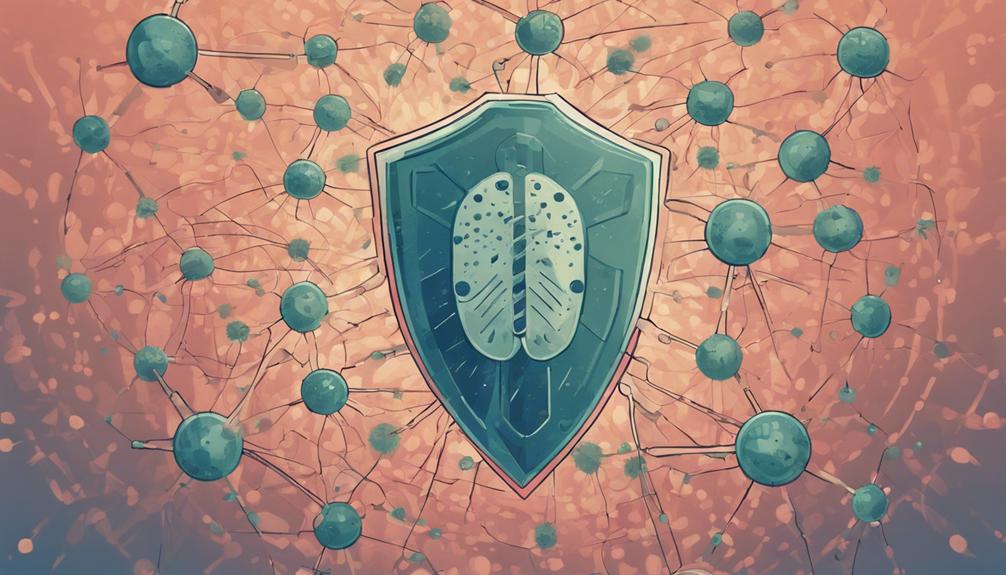
As vaccination rates rise, our collective immunity grows, creating a protective shield that safeguards entire communities from the spread of infectious diseases. By getting vaccinated, we're not only protecting ourselves, but also those around us who may be more susceptible to illness. This is especially important for communities with high populations of young children, elderly, and immunocompromised individuals.
When we achieve high vaccination rates, we create a phenomenon known as herd immunity. This means that even if someone in our community contracts a disease, it's less likely to spread rapidly due to the immunity of those around them. The benefits of herd immunity are undeniable, and the data speaks for itself:
| Disease | Vaccination Rate | Herd Immunity Threshold |
|---|---|---|
| Measles | 93% | 90-95% |
| MMR (Mumps, Measles, Rubella) | 90% | 85-90% |
| Pertussis (Whooping Cough) | 92% | 80-90% |
Protecting Vulnerable Population Groups
Among the most vulnerable population groups are young children, elderly individuals, and people with compromised immune systems, who rely heavily on the immunity of those around them to stay protected from infectious diseases. We acknowledge that these groups are more susceptible to severe illness and even death from vaccine-preventable diseases. As a result, it's essential that we take measures to protect them.
We can do this by ensuring that those around them are vaccinated, thereby creating a protective barrier against the spread of diseases. This is especially important for newborns who are too young to be vaccinated, and for individuals with weakened immune systems who may not respond effectively to vaccines. By getting vaccinated, we're not only protecting ourselves but also those around us who are most vulnerable.
As a community, we have a collective responsibility to protect these vulnerable groups. By doing so, we're not only safeguarding their health but also preventing the spread of diseases that can have devastating consequences. We believe that by working together, we can create a safer and healthier environment for everyone, especially those who need our protection the most.
Reducing Disease Transmission Rates
As we explore the importance of vaccinations, we're now going to examine how they reduce disease transmission rates. By getting vaccinated, we not only protect ourselves, but also those around us, which is especially vital in preventing outbreaks. By achieving high vaccination rates, we can reap the benefits of herd immunity and greatly reduce the risk of disease outbreaks.
Herd Immunity Benefits
By getting vaccinated, we contribute to a phenomenon where the entire community benefits, particularly those who are most vulnerable to diseases. This is what we call herd immunity. When a significant portion of the population is immunized, it creates a protective barrier that prevents the spread of diseases. As a result, we're not just protecting ourselves, but also those around us who are more susceptible to illnesses, such as the elderly, young children, and people with compromised immune systems.
Reduced Outbreak Risk
We greatly decrease the risk of outbreaks when we get vaccinated, as this essential step slows down disease transmission rates and prevents the rapid spread of illnesses. By doing so, we not only protect ourselves, but also those around us who are more vulnerable to diseases, such as the elderly, young children, and people with compromised immune systems.
When we get vaccinated, we reduce the likelihood of outbreaks in several ways:
- Lowering the number of infected individuals: By reducing the number of people infected with a disease, we decrease the chances of it spreading rapidly.
- Breaking the chain of transmission: Vaccination prevents diseases from spreading from person to person, thereby breaking the chain of transmission.
- Protecting vulnerable populations: By reducing the risk of outbreaks, we protect those who are more susceptible to diseases, such as the elderly and young children.
- Reducing the economic burden: Outbreaks can have a significant economic impact on communities. By reducing the risk of outbreaks, we also reduce the economic burden associated with them.
The Economic Burden of Disease
Vaccines greatly reduce the essential burden of disease, saving us billions of dollars annually in healthcare costs and lost productivity. When we're vaccinated, we're not only protecting ourselves from illness, but we're also protecting our wallets. The cost of treating vaccine-preventable diseases is staggering, and it's a burden we can't afford to carry. In the United States alone, it's estimated that vaccine-preventable diseases cost us around $10 billion annually. That's a whopping sum that could be better spent on education, infrastructure, or other critical public services.
But it's not just about the direct medical costs. When we're sick, we can't work, and that means lost productivity. In fact, it's estimated that vaccine-preventable diseases result in around 50 million days of lost work annually. That's a significant blow to our economy, and it's a problem we can easily avoid with vaccines. By getting vaccinated, we're not only protecting our health, but we're also protecting our livelihoods.
Debunking Vaccine Misconceptions
As we've seen the significant economic benefits of vaccination, it's equally important to address the misconceptions surrounding them, which can be just as costly to our health and well-being. Misconceptions about vaccines can lead to hesitation and even refusal to get vaccinated, putting not only individuals but also communities at risk. It's vital that we separate fact from fiction and set the record straight.
Here are some common misconceptions about vaccines:
- Vaccines are not effective: On the contrary, vaccines have been proven to be highly effective in preventing the spread of diseases. In fact, vaccines have been instrumental in the global eradication of smallpox and the near-elimination of polio.
- Vaccines are not safe: Vaccines undergo rigorous testing and monitoring to ensure their safety. While some people may experience mild side effects, the risks associated with vaccines are outweighed by their benefits.
- Vaccines cause autism: This myth has been thoroughly debunked by numerous scientific studies. There is no credible evidence to support a link between vaccines and autism.
- Vaccines are only for personal protection: While vaccines do provide individual protection, they also play a critical role in protecting vulnerable populations, such as young children and the elderly, who are more susceptible to serious illness.
Empowering Informed Health Choices
As we endeavor to make informed health choices, we recognize that understanding the significance of vaccinations is essential. We believe that health education matters, and that’s why we’re dedicated to promoting vaccine literacy. By doing so, we can empower ourselves and others to make informed decisions about our health. Vaccinations play a crucial role in preventing the spread of infectious diseases and protecting vulnerable populations. It is especially important for parents to be aware of the essential vaccines for kids, as these immunizations help safeguard children from serious illnesses. By staying informed and following recommended vaccination schedules, we can contribute to a healthier community for future generations.
Health Education Matters
We often underestimate the importance of health education in shaping our decisions about vaccinations, yet it's essential in empowering us to make informed choices. By grasping how vaccines work and their benefits, we're more likely to take control of our health. Health education matters because it helps us navigate the complex world of vaccination, separating fact from fiction.
Here are a few ways health education makes a difference:
- Builds confidence: When we comprehend the science behind vaccines, we're more confident in our decisions, and less likely to be swayed by misinformation.
- Fosters critical thinking: Health education teaches us to evaluate information critically, helping us to separate reputable sources from unreliable ones.
- Encourages open communication: By educating ourselves, we're more likely to ask questions and engage in open, honest conversations with healthcare professionals.
- Promotes community engagement: When we're informed, we're more likely to engage with our communities, promoting a culture of health and wellness.
Vaccine Literacy Counts
By grasping the fundamentals of vaccine literacy, we empower ourselves to make informed health choices, maneuvering through the complex landscape of vaccination with confidence. As we navigate the vast amount of information available, we're able to separate fact from fiction, and myth from reality. This enables us to make informed decisions about our health and the health of our loved ones.
We're no longer swayed by misinformation or misconceptions that can put our health at risk. Instead, we're equipped to evaluate the credibility of sources, identify biases, and recognize the importance of evidence-based information. By doing so, we're better positioned to communicate effectively with healthcare professionals, ask informed questions, and make choices that align with our values and priorities.
As we take ownership of our health, we're more likely to make informed decisions about vaccination. We'll be more confident in our choices, and more likely to advocate for ourselves and others. By prioritizing vaccine literacy, we're not only protecting our own health but also contributing to the well-being of our communities.
Frequently Asked Questions
Can Vaccines Cause the Very Disease They're Meant to Prevent?
We've all wondered: can vaccines cause the very disease they're meant to prevent? It's a fair question, given the tiny risk of adverse reactions. But here's the deal: vaccine ingredients are highly diluted, and the benefits far outweigh the risks. In fact, the chances of getting the disease from a vaccine are incredibly low – we're talking millions to one. So, while it's natural to worry, the science is clear: vaccines are safe and effective.
Are Vaccine Ingredients, Like Thimerosal, Harmful to My Health?
We're not crying over spilt milk, but we do have concerns about vaccine ingredients. Specifically, we're wondering if thimerosal, a preservative used in some vaccines, poses a health risk. We've done our homework and found that the amount of thimerosal in vaccines is extremely small, and numerous studies have shown it's safe for humans. In fact, the importance of vaccination far outweighs the risks, and we're confident that vaccines are a crucial tool in keeping our communities healthy.
How Long Does Immunity From Vaccination Typically Last?
We're often asked how long immunity from vaccination lasts, and it's a great question! The duration of immunity varies depending on the vaccine and individual factors. Some vaccines, like the measles, mumps, and rubella (MMR) vaccine, provide lifelong immunity. Others, like the flu vaccine, require annual boosters. We've found that most vaccines provide immunity for several years, but it's essential to follow the recommended vaccination schedule to maintain protection.
Can I Get Vaccinated if I Have a Weakened Immune System?
We often wonder if we can get vaccinated if we have a weakened immune system. The answer is, it depends on our specific situation. Generally, people with weakened immune systems, like those with cancer or taking immunosuppressive therapy, should consult their doctor before getting vaccinated. Some vaccines, like live attenuated ones, may not be suitable for us, but our doctor can help us make an informed decision.
Do Vaccines Contain Any Animal-Derived Products or By-Products?
'We're often asked about vaccine ingredients, and rightfully so! When it comes to animal-derived products or by-products in vaccines, we've got some answers. Some vaccines do contain tiny amounts of animal-derived ingredients, like gelatin or egg proteins. However, these are highly purified and pose no risk of transmitting animal diseases to humans. Rest assured, vaccine manufacturers and regulatory bodies guarantee these ingredients are safe and well-tested.'