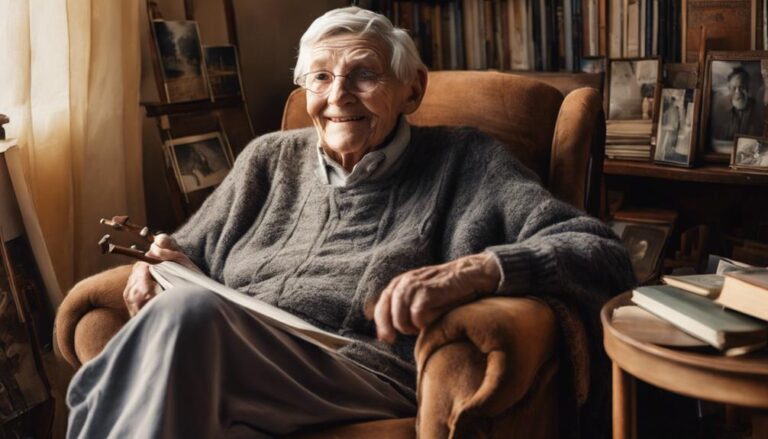
As we age, we face physical changes that impact our fitness, but we can adapt our workout routines to maintain our active lifestyles. We need to focus on low-impact exercises, adjust intensity and frequency, prioritize functional exercises, and incorporate rest days for recovery. Building strength and muscle mass is essential, and we can achieve this through progressive resistance training and proper nutrition. By understanding our age-related changes and adapting our workouts, we can stay fit and healthy. And, with a few tweaks to our approach, we can access a stronger, more capable body that's ready for whatever life throws our way.
Understanding Age-Related Physical Changes
As we age, our bodies undergo a multitude of changes that greatly impact our physical abilities, forcing us to reassess and adapt our workout routines to accommodate these shifts. We notice that our metabolism slows down, and our bodies start to lose muscle mass and bone density. Our flexibility and range of motion also decline, making it more challenging to perform exercises that were once easy. Additionally, our cardiovascular systems undergo changes, affecting our endurance and stamina.
We've also experienced a decline in our nervous system's ability to transmit signals, leading to slower reaction times and reduced coordination. Our bodies produce less human growth hormone, which affects our ability to recover from workouts. Moreover, our connective tissues, such as tendons and ligaments, lose elasticity, making us more prone to injuries.
As we navigate these physical changes, it's important to recognize that we're not alone. Many of us are facing similar challenges, and it's essential to acknowledge and accept these changes. By doing so, we can focus on finding ways to work with our bodies, rather than against them. By understanding and embracing these age-related physical changes, we can take the first step towards adapting our workout routines and maintaining our fitness levels as we age.
Adapting Your Workout Routine
We'll need to rethink our exercise strategies to accommodate our changing bodies, focusing on low-impact exercises that promote flexibility and strength training to combat muscle loss. As we age, high-impact activities can put excessive stress on our joints, leading to injuries and chronic pain. Instead, we can opt for low-impact exercises like yoga, Pilates, or swimming, which are gentle on the joints while still providing an effective workout.
We'll also need to adjust our exercise intensity and frequency. As we get older, our bodies take longer to recover from intense physical activity. We can mitigate this by incorporating rest days into our routine, allowing our bodies time to recover and rebuild. Additionally, we can break up our workouts into shorter, more manageable sessions, reducing fatigue and preventing burnout.
It’s also essential to prioritize functional exercises that improve our daily functioning and mobility. For instance, exercises that strengthen our core and improve our balance can help prevent falls and maintain our independence. By adapting our workout routine to our changing bodies, we can continue to enjoy the benefits of exercise while minimizing the risks. By being proactive and flexible, we can stay fit, healthy, and active well into our golden years. Additionally, incorporating low-impact activities like yoga or swimming can further support joint health and overall flexibility. Staying active helps counteract sedentary lifestyle risks, which can contribute to issues like muscle loss and decreased cardiovascular health. By making conscious choices to keep moving, we can enhance our quality of life and maintain our physical well-being for years to come.
Building Strength at Any Age
As we work on building strength at any age, we're excited to explore the strategies that'll help us achieve our fitness goals. We'll focus on building muscle mass, which is essential for overall health and function, and discuss progressive resistance training, a technique that's proven to deliver results. By incorporating these methods into our workout routine, we're confident we'll see significant improvements in our overall strength and fitness.
Building Muscle Mass
By incorporating specific exercises and nutrition strategies into our fitness routine, we can build strength and muscle mass at any age. As we age, our muscle mass naturally decreases, but with a targeted approach, we can combat this decline and maintain our physical function.
To build muscle mass, we need to challenge our muscles with progressive overload, which means gradually increasing the weight or resistance we're lifting over time. This signals our muscles to adapt and grow. We should also focus on compound exercises like squats, deadlifts, and bench press, which work multiple muscle groups at once.
| Exercise | Muscle Groups Worked |
|---|---|
| Squats | Legs, Glutes, Core |
| Deadlifts | Legs, Back, Core |
| Bench Press | Chest, Shoulders, Triceps |
| Lunges | Legs, Glutes, Core |
In addition to exercise, our nutrition plays a critical role in building muscle mass. We need to consume enough protein to provide our muscles with the necessary building blocks for growth and repair. Aim to eat 1-1.5 grams of protein per kilogram of body weight daily. With consistent effort and patience, we can build strength and muscle mass, regardless of our age.
Progressive Resistance Training
Building on our efforts to build muscle mass, we're now going to focus on progressive resistance training, a key component of strength training that helps us build strength at any age. This type of training involves gradually increasing the weight, resistance, or reps over time to continue challenging our muscles. As we age, our muscles naturally lose strength and mass, but progressive resistance training can help counteract this process.
We can incorporate progressive resistance training into our workout routine by increasing the weight we lift, adding more reps or sets, or decreasing rest time between exercises. For example, if we're doing bicep curls with 10-pound dumbbells, we can gradually increase the weight to 12 pounds, then 15 pounds, and so on. It's essential to listen to our bodies and not push ourselves too hard, as overexertion can lead to injury. By incorporating progressive resistance training into our workout routine, we can build strength, improve bone density, and enhance our overall fitness at any age.
Cardio Exercises for Older Adults
As we age, we need to adapt our cardio routines to prioritize our joints' health. Fortunately, there are low-impact aerobic options that allow us to get our hearts pumping without putting excessive strain on our bodies. We'll explore these easy-on-the-joints exercises, including modified high-intensity workouts, to help us stay active and healthy.
Low-Impact Aerobic Options
We often find that low-impact aerobic exercises are particularly well-suited for older adults, since they offer an effective way to improve cardiovascular health without putting excessive strain on the joints. These exercises are perfect for those who want to stay active without exacerbating existing joint issues or chronic pain. We've found that swimming, cycling, and using an elliptical machine are excellent low-impact options that can be modified to suit individual fitness levels. For example, swimming is a fantastic way to get a cardio workout while being easy on the joints, and many community centers offer aquatic classes specifically designed for seniors. Cycling, either on a stationary bike or outdoors, is another low-impact way to improve cardiovascular health. We also recommend using an elliptical machine, which provides a low-impact, full-body workout. These exercises can be done at a leisurely pace, making them accessible to older adults who want to prioritize their health without pushing themselves too hard.
Easy on the Joints
When it comes to cardio exercises, we're looking for options that are gentle on our joints, allowing us to stay active and healthy without exacerbating existing conditions or chronic pain. As we age, our joints naturally lose flexibility and cushioning, making it essential to choose exercises that don't put excessive stress on our bodies.
For us, low-impact cardio exercises are the way to go. We opt for activities like swimming, cycling, or using an elliptical machine, which provide an excellent cardiovascular workout without putting excessive strain on our joints. These exercises are also great for improving our cardiovascular health, boosting our mood, and increasing our energy levels.
Another perk of low-impact cardio exercises is that they can be modified to suit our fitness levels. We can start slowly and gradually increase the intensity and duration as we build endurance. This approach allows us to listen to our bodies and take regular breaks, ensuring we don't overexert ourselves. By choosing gentle, low-impact cardio exercises, we can maintain our physical fitness while protecting our joints and overall well-being.
Modified High-Intensity
Often, we find that incorporating high-intensity interval training (HIIT) into our workout routine can be an effective way to boost our cardiovascular fitness, even as older adults. However, we need to modify HIIT to accommodate our changing bodies. That's why we've developed a modified high-intensity approach that's gentler on our joints while still delivering results.
We start by selecting low-impact aerobic exercises like cycling, swimming, or using an elliptical machine. These exercises allow us to work at a high intensity without putting excessive stress on our joints. Next, we incorporate interval training, alternating between periods of high-intensity exercise and active recovery. For example, we might cycle at maximum effort for 30 seconds, followed by 30 seconds of gentle pedaling. By modifying HIIT in this way, we can still reap the benefits of high-intensity exercise while protecting our joints.
We've found that this approach not only improves our cardiovascular fitness but also enhances our overall health and well-being. By adapting HIIT to our needs, we can continue to enjoy the benefits of high-intensity exercise well into our golden years.
Flexibility and Mobility Exercises
Incorporating flexibility and mobility exercises into our routine helps maintain or even increase our range of motion, reducing the risk of injury and enhancing overall athletic performance. As we age, our flexibility and mobility naturally decline, making it crucial to prioritize exercises that target these areas. We've found that incorporating stretching exercises 2-3 times a week can make a significant difference in our overall flexibility.
In addition to stretching, we've also incorporated mobility exercises into our routine. These exercises, such as leg swings, arm circles, and hip openers, help maintain or improve our range of motion. We've noticed that by incorporating these exercises, we're able to move more efficiently and with less strain on our joints.
When it comes to flexibility and mobility exercises, it's essential to listen to our bodies and not push ourselves too hard. We've learned that gentle, consistent effort yields better results than forcing our bodies beyond their limits. By incorporating these exercises into our routine, we're able to maintain our fitness levels while reducing the risk of injury. As we continue on our fitness journey, we're committed to prioritizing flexibility and mobility exercises to make sure we're performing at our best.
Age-Specific Workout Routines
As we navigate different stages of life, our workout routines need to adapt to our changing bodies and abilities. We've all heard the phrase "use it or lose it," and it's especially relevant when it comes to our physical fitness. What worked for us in our 20s may not be as effective in our 40s or 50s. That's why it's essential to tailor our workouts to our age and abilities.
In our 20s and 30s, high-intensity interval training (HIIT) and strength training can help us build muscle and boost metabolism. As we enter our 40s and 50s, we may need to focus more on low-impact exercises that are easier on our joints, such as yoga or swimming. We may also need to incorporate more flexibility and stretching exercises to maintain our range of motion.
In our 60s and beyond, we may need to focus on exercises that improve our balance and prevent falls. We can incorporate exercises that challenge our balance, such as single-leg squats or tai chi. Additionally, we can incorporate exercises that improve our flexibility and mobility, such as stretching or Pilates. By adapting our workout routines to our age and abilities, we can maintain our physical fitness and continue to live healthy, active lives.
Managing Chronic Health Conditions
We frequently find ourselves adjusting our workout routines to accommodate chronic health conditions, such as diabetes, arthritis, or heart disease, which can impact our ability to exercise safely and effectively. As we age, these conditions can become more prevalent, making it essential to adapt our fitness regimens to make sure we're exercising safely and effectively.
Managing chronic health conditions requires careful planning and attention to our bodies' needs. Here are some key considerations to keep in mind:
- Consult a healthcare professional: Before starting or modifying a workout routine, it's important to consult with a healthcare professional, especially if you have a chronic health condition. They can provide personalized guidance on exercising safely and effectively.
- Listen to your body: Pay attention to your body's signals, and take regular breaks to avoid exacerbating your condition. If you experience pain or discomfort, stop immediately and consult a healthcare professional.
- Choose low-impact exercises: Opt for low-impact exercises that are gentle on your joints, such as yoga, swimming, or cycling, which can help reduce the risk of injury or exacerbating your condition.
Creating a Balanced Fitness Plan
As we work on creating a balanced fitness plan, we need to start by setting realistic goals that align with our fitness aspirations. Next, we'll assess our current fitness level to understand where we are and where we need to improve. By prioritizing flexibility and making it a core component of our plan, we'll be able to move more efficiently and reduce our risk of injury.
Set Realistic Goals
By defining achievable milestones, we can create a balanced fitness plan that's tailored to our unique needs and goals. This helps us stay motivated and focused on what we want to achieve. Setting realistic goals also prevents us from getting discouraged by unrealistic expectations.
Here are three key considerations to keep in mind when setting our fitness goals:
- Specificity: Make sure our goals are specific, measurable, and achievable. Instead of 'I want to lose weight,' try 'I want to lose 10 pounds in the next three months.'
- Realism: Be honest about what we can realistically achieve. Don't set ourselves up for failure by aiming too high or too low.
- Flexibility: Life can be unpredictable, and our goals may need to adapt to changing circumstances. Build flexibility into our goals to make sure we stay on track.
Assess Current Fitness
Evaluating our current fitness level is essential to creating a balanced fitness plan that targets our strengths and weaknesses. We need to understand where we are before we can create a plan to get where we want to be. To do this, we'll evaluate our current fitness in four key areas: cardiovascular endurance, muscular strength and endurance, flexibility, and body composition.
| Fitness Component | Self-Assessment Questions |
|---|---|
| Cardiovascular Endurance | Can I walk up a flight of stairs without getting winded? Do I get tired easily during daily activities? |
| Muscular Strength and Endurance | Can I carry groceries up a few flights of stairs? Do I struggle with everyday tasks like opening jars or lifting objects? |
| Flexibility | Can I touch my toes without bending my knees? Do I have trouble moving my joints through their full range of motion? |
| Body Composition | What is my current weight and body fat percentage? Are there any areas of my body where I'd like to lose fat or build muscle? |
Prioritize Flexibility
Now that we've evaluated our current fitness level, we're ready to start building a balanced fitness plan, and we'll begin by prioritizing flexibility. As we age, our flexibility naturally decreases, making it essential to incorporate exercises that improve our range of motion and reduce stiffness. By focusing on flexibility, we'll be better equipped to perform daily tasks and reduce our risk of injury.
Here are three ways to prioritize flexibility in our workout routine:
- Incorporate stretching exercises: Allocate time before or after our workout to stretch our major muscle groups, including our hamstrings, quadriceps, and lower back.
- Try yoga or Pilates: These low-impact exercises improve flexibility, balance, and core strength, making them an excellent addition to our fitness routine.
- Make time for foam rolling: Regular foam rolling helps reduce muscle tension, improves circulation, and increases flexibility, making it an essential tool in our fitness arsenal.
Making Time for Physical Activity
We all lead busy lives, but finding time for physical activity is essential for our overall health and wellbeing. It's easy to get caught up in our daily routines and let exercise fall by the wayside, but we must prioritize it. We know that regular physical activity can help prevent chronic diseases, improve our mood, and boost our energy levels. So, how can we make time for it?
We've found that scheduling it in our calendars like any other important appointment is key. Whether it's a 30-minute walk during our lunch break, a morning yoga session, or an evening jog, we must commit to it. We can also incorporate physical activity into our daily routines, such as taking the stairs instead of the elevator or walking to the grocery store instead of driving.
Another strategy we've found helpful is finding activities we enjoy. When we like what we're doing, we're more likely to stick to it. Whether it's swimming, dancing, or hiking, we should find what gets us moving and makes us happy. We can also enlist the support of friends or family members to keep us motivated and accountable. By making physical activity a priority, we're investing in our health and wellbeing – and that's worth making time for.
Overcoming Common Fitness Barriers
Three common obstacles stand in the way of our fitness goals: lack of motivation, unrealistic expectations, and physical limitations. We've all been there – we start strong, but eventually, our enthusiasm wanes, and we're left wondering why we even bothered. But what if we could overcome these barriers and achieve our fitness goals?
Here are three strategies to help us overcome common fitness barriers:
- Start small: Instead of trying to make drastic changes, we can start with small, achievable goals. This will help us build momentum and confidence, making it more likely that we'll stick to our workout routine.
- Find an accountability partner: Having someone to hold us accountable and provide support can make all the difference. This could be a workout buddy, a personal trainer, or even an online fitness community.
- Celebrate our successes: We often focus on our failures, but celebrating our successes can be a powerful motivator. By acknowledging and celebrating our achievements, we can stay motivated and encouraged to continue working towards our fitness goals.
Frequently Asked Questions
Can I Still Exercise With a Chronic Illness or Disability?
We totally get it – exercising with a chronic illness or disability can be super challenging. But here's the thing: we believe that movement is for every body, regardless of abilities. With a little creativity and the right guidance, we can find ways to adapt exercises to our needs. We're not saying it's easy, but we're saying it's worth it. We can do this, and we're in this together!
How Often Should I Work Out to See Noticeable Results?
"We're not going to sugarcoat it – we want to see results, and fast! But, realistically, how often should we work out to get those noticeable changes? The magic number varies, but a good rule of thumb is 3-4 times a week, with at least one day of rest in between. Consistency is key, so find a schedule that works for us and stick to it. We're in this for the long haul, and every sweat-filled session brings us closer to our fitness goals!"
Are There Exercises Specifically for Improving Balance and Coordination?
We're glad you asked! Yes, there are exercises specifically designed to improve balance and coordination. Single-leg squats, balance boards, and BOSU ball training are great options. We also recommend trying tai chi, yoga, or Pilates, which focus on core strength, flexibility, and body control. These exercises can help improve our overall balance and reduce the risk of falls. We can incorporate them into our workout routine 2-3 times a week for noticeable results.
Will I Get Bulky From Strength Training as I Age?
As we age, we worry about getting bulky from strength training, but we shouldn't. We won't automatically bulk up just because we're lifting weights. In fact, strength training helps us maintain muscle mass, which is essential for overall health as we age. We can still achieve a toned, lean physique through a balanced workout routine and healthy diet. We just need to focus on progressive overload and controlled weight increases to avoid bulkiness.
Can I Exercise During Menopause or Pregnancy Safely?
Can we really afford to put our health on hold during significant life changes? We don't think so! During menopause and pregnancy, exercise is essential for our well-being. We can exercise safely during these periods, but it's important to consult our healthcare providers first. They'll guide us on modifying our workouts to accommodate our changing bodies. With their approval, we can adapt our routines to maintain flexibility, strength, and overall health – even during life's biggest transformations.