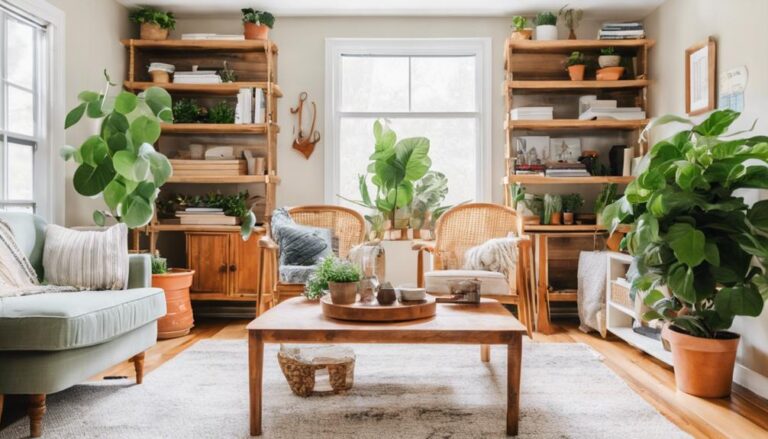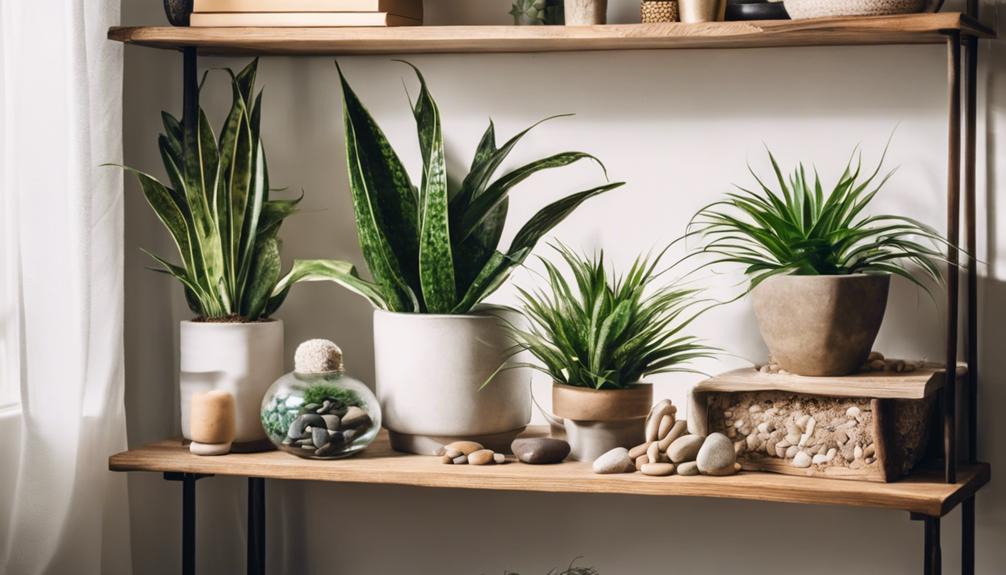
We're new to houseplants and want to get it right! We're looking for plants that fit our lifestyle, not the other way around. Fortunately, there are many low-maintenance options perfect for beginners. Pothos, ZZ Plant, and Snake Plant are great choices, thriving in various lighting conditions and requiring minimal care. Succulents are also forgiving and easy to care for. We'll explore more about these plants and share simple care tips to get us started. As we explore further, we'll discover even more ways to bring life and greenery into our spaces.
Choosing the Right Houseplant
When we're new to the world of houseplants, selecting the right one can be an overwhelming task, especially with so many options available. We've all been there – standing in the nursery, surrounded by rows of beautiful plants, and wondering which one to take home. It's like trying to find a new friend – we want someone who's important to keep in mind, essential, and will thrive in our care.
So, how do we choose the perfect houseplant for our lifestyle? First, we need to take into account our living situation. Do we have a bright, sunny room or a cozy, shaded corner? Different plants require different levels of light, so it’s vital to choose one that fits our environment. We should also think about our schedule – are we away from home for long periods, or do we have time to devote to regular watering and pruning? Additionally, considering the humidity levels and temperature of our space can help ensure our plant thrives in its new home. Some plants prefer a more humid environment, while others do well in drier conditions. By carefully selecting the right plant and even complementing our space with window treatments for every room, we can create the perfect environment for our new green companion.
Another significant factor is our personal style. Do we prefer sleek, modern plants or lush, tropical greenery? By taking these factors into consideration, we can narrow down our options and find a plant that fits seamlessly into our lives. With a little thought and planning, we can bring home a beautiful, thriving houseplant that will become a beloved member of our family. And who knows – we might just discover a new passion!
Low-Maintenance Plant Options
We're often drawn to low-maintenance plants that can thrive in our care, even when we're not born with a green thumb. As beginners, we want plants that can forgive us for our mistakes and still manage to flourish. Luckily, there are plenty of low-maintenance options that fit the bill.
When we're starting out, it's essential to choose plants that are hard to kill (yes, that's a thing!). We want plants that can survive with minimal care and attention. Here are a few of our favorite low-maintenance plant options:
- Pothos: This trailing plant is almost impossible to kill and can thrive in a variety of lighting conditions.
- ZZ Plant: The ZZ Plant is known for its ability to survive in low-light conditions and can go weeks without watering.
- Snake Plant: Also known as Mother-in-Law's Tongue, this plant is known for its air-purifying properties and can survive with minimal watering.
These plants are perfect for beginners because they're forgiving and can thrive in a variety of environments. Plus, they're all easy on the eyes, adding a touch of greenery to our spaces without requiring a ton of maintenance. With these plants, we can enjoy the benefits of houseplants without the stress of constant care.
Easy to Care for Succulents
Now that we've got our low-maintenance bases covered, let's talk about another popular, easy-to-care-for option: succulents. We love succulents because they're perfect for busy beginners like us who want to bring some greenery into our lives without breaking a sweat. These water-storing wonders come in a variety of shapes, sizes, and colors, so we can pick the ones that fit our unique style.
One of the best things about succulents is that they're super forgiving. We can forget to water them from time to time (we're human, after all!), and they'll still bounce back. In fact, overwatering is usually the biggest mistake we can make with succulents, so it's better to err on the side of caution. A good rule of thumb is to water them when the soil feels dry to the touch.
Succulents also thrive in bright, indirect light, which makes them perfect for windowsills or desks. And, because they're slow-growing, we don't need to worry about pruning or grooming them regularly. Some popular succulent species for beginners include aloe, echeveria, and crassula. With a little love and care, these plants will reward us with beautiful blooms and a sense of accomplishment. So, which succulent will we choose to bring into our lives?
Plants That Thrive in Shade
Five out of ten households struggle to find the perfect spot for plants, often due to limited natural light, which is why it's exciting to explore plants that thrive in shade. Understanding that not everyone has a sun-drenched window or a bright outdoor space, we're highlighting some amazing plants that can flourish in low-light conditions.
There's good news for those with dimly lit spaces: there are plenty of gorgeous plants that can thrive in shade. Here are our top picks:
- Pothos: This versatile, low-maintenance plant can grow in a variety of lighting conditions, including low light. Plus, it's easy to propagate and can be trained to climb up walls or trellises.
- Peace Lily: With its elegant white blooms and dark green leaves, the peace lily is a stylish addition to any room. It prefers well-draining soil and moderate watering, making it a great choice for beginners.
- Chinese Evergreen: This stunning plant boasts beautiful, variegated leaves in shades of silver, gold, and green. It's relatively small, growing up to 3 feet tall, and can tolerate low light conditions with ease.
These plants are perfect for beginners, as they're forgiving of mistakes and can thrive in a range of environments. Whether you're a seasoned plant parent or just starting out, these shade-loving plants are sure to bring some greenery and joy into your life.
Best Plants for Small Spaces
Our tiny apartments and condos often leave us wondering how to squeeze in some greenery, but compact plants can turn even the smallest nooks into serene oases. We've all been there – staring at a cramped corner, trying to envision a way to fit in a plant. The good news is that there are plenty of plants that thrive in small spaces, and we're excited to share our favorites with you.
For starters, consider the adorable Peperomia. This cute, low-maintenance plant comes in a variety of colors and patterns, and can thrive in containers as small as 4-6 inches. Another great option is the String of Pearls, which trails beautifully and can be trained to climb up walls or trellises, making the most of vertical space.
If you're looking for something a bit more upright, the Pothos is a great choice. This versatile plant can be trained to climb or left to trail, and can thrive in containers as small as 6-8 inches. Plus, it's easy to propagate and can be shared with friends – a great way to spread some plant love!
Plants That Purify the Air
As we explore the world of houseplants, we're excited to learn about the amazing air-purifying benefits they offer. It's incredible that certain plants can naturally remove toxins and pollutants from the air we breathe, making our homes healthier and safer. Let's take a closer look at these natural air purifiers and discover which ones are the most effective at removing toxic substances from our indoor environments.
Natural Air Purifiers
We're surrounded by pollutants and toxins in our homes, which is why we're turning to nature's air purifiers – houseplants – to breathe a little easier. Indoor air pollution is a real concern, but with the right plants, we can create a healthier environment. Some houseplants are natural air purifiers, removing impurities and toxins from the air we breathe.
Here are some of the best air-purifying houseplants for beginners:
- Snake Plant (Sansevieria Trifasciata): This low-maintenance plant is great for indoor spaces and can thrive in low-light conditions.
- Peace Lily (Spathiphyllum wallisii): With its elegant white blooms, the peace lily is a stylish and effective air purifier.
- Spider Plant (Chlorophytum variegatum): Easy to care for and propagate, the spider plant is a great option for those new to houseplants.
Toxic Removal Experts
By incorporating plants that specialize in toxic removal, we can greatly reduce the presence of pollutants like formaldehyde, benzene, and trichloroethylene in our homes. These toxic substances can come from everyday items like cleaning products, paints, and furniture, and can have serious health implications if left unchecked. Luckily, Mother Nature has provided us with some amazing air-purifying plants that can help remove these toxins from the air.
We're not talking about just any plants, though – we're talking about the crème de la crème of toxic removal experts. Plants like Peace Lilies, Spider Plants, and Dracaena are like the special forces of the plant world, seeking out and destroying pollutants with ease. And the best part? They're ridiculously easy to care for, even for us beginners. By bringing these plants into our homes, we can breathe a little easier knowing we're doing our part to create a healthier living space. So, which toxic removal expert will you invite into your home first?
Houseplants for Busy People
As busy individuals, we understand that taking care of houseplants can seem like just another chore. But, we don't have to let our hectic schedules get in the way of enjoying the benefits of indoor plants. Fortunately, there are low-maintenance options that are easy to care for, and we're excited to explore them.
Low Maintenance Options
For those of us with packed schedules, finding time to care for houseplants can seem like an impossible task, which is why low-maintenance options are a must-have. We want to enjoy the benefits of having plants in our homes, but we don't want to add another chore to our to-do lists. That's why we're drawn to plants that can thrive with minimal care.
Luckily, there are many low-maintenance options that fit the bill. Here are a few of our favorites:
- ZZ Plant: This plant is almost impossible to kill and can survive with infrequent watering and low light.
- Succulents: These plants store water in their leaves, stems, or roots, making them drought-tolerant and perfect for busy people.
- Pothos: This versatile houseplant can thrive in a variety of lighting conditions and can survive with infrequent watering.
These plants are perfect for us busy folks who want to bring some greenery into our homes without the hassle. We can enjoy the air-purifying benefits and aesthetic appeal of houseplants without sacrificing precious time from our busy schedules.
Easy to Care For
We're drawn to houseplants that not only require minimal upkeep but also forgive us when we forget to water or fertilize them from time to time. As busy people, we need plants that can thrive despite our occasional neglect. Luckily, there are many houseplants that fit the bill.
One of our favorites is the ZZ Plant, which can survive in low-light conditions and only needs watering once a week. The Pothos is another great option – it's a low-maintenance climber that can grow in a variety of lighting conditions. And let's not forget about the Snake Plant, also known as Mother-in-Law's Tongue, which is known for its ability to purify the air and thrive in neglect.
We've found that these plants are perfect for our busy lifestyles. They're easy to care for, yet still bring a touch of greenery and freshness to our homes. Plus, they're super forgiving if we forget to water them from time to time. With these plants, we can enjoy the benefits of houseplants without the stress of constant maintenance.
Simple Plant Care Tips
By following a few simple guidelines, we can keep our houseplants thriving and reduce the risk of common mistakes that lead to their demise. As beginners, it's essential to understand that plant care is not rocket science, and with a few basic tips, we can create a nurturing environment for our green friends.
First and foremost, let's talk about watering. We've all been there – overwatering, underwatering, and everything in between. To avoid this, we need to check the soil moisture regularly. A simple trick is to stick our finger into the soil up to the first knuckle. If the soil feels dry, it's time to water.
Here are a few more tips to keep in mind:
- Lighting: Most houseplants prefer bright, indirect light. Placing them near a north- or east-facing window is ideal.
- Humidity: Indoor plants thrive in a humid environment, typically between 40-60% relative humidity. We can achieve this by placing the pot on a tray filled with water and pebbles.
- Fertilization: Feed our plants with a balanced, water-soluble fertilizer during the growing season (spring and summer). This will promote healthy growth and development.
Frequently Asked Questions
Can I Propagate Houseplants From Cuttings or Leaf Fragments?
We're always excited to share our green thumb secrets! Yes, we can definitely propagate houseplants from cuttings or leaf fragments. In fact, it's a fantastic way to multiply our favorite plants and share them with friends. We simply snip off a healthy stem or leaf, remove lower leaves, and plant it in well-draining soil. With a little love and care, new roots will form, and we'll have a brand new plant to enjoy!
How Often Should I Rotate My Houseplants for Even Growth?
"We're thrilled to tackle the task of rotating our treasured plants! To promote even growth, we rotate our houseplants every 1-2 weeks, depending on the direction of sunlight. This gentle gesture encourages balanced branching and a fuller appearance. By rotating our plants, we're simulating the natural movement of outdoor plants, and it's a simple yet effective way to keep our green friends happy and healthy."
Are Houseplants Safe for Pets and Young Children to Be Around?
We totally get it – we want our homes to be safe havens for our fur babies and little ones. So, are houseplants safe for them to be around? Generally, yes! Most houseplants aren't toxic, but some can cause mild irritation or allergic reactions. We recommend double-checking the plant's toxicity and keeping an eye on curious critters and kiddos to make sure everyone gets along harmoniously.
Can I Use Tap Water for Watering My Houseplants?
We're often wondering, can we just grab the nearest water source and give our plants a drink? The answer is, it's not always a good idea to use tap water for our houseplants. You see, tap water can contain chemicals like chlorine and fluoride that can harm our plants. We try to use filtered or distilled water instead, or let the tap water sit for 24 hours to allow those harsh chemicals to evaporate.
Will Houseplants Attract Pests or Create Infestations Indoors?
Did you know that a staggering 84% of homes in the US have some kind of pest problem? We're often worried that our beloved houseplants might attract unwanted critters or even create infestations indoors. But, thankfully, most houseplants aren't magnets for pests. In fact, many plants naturally repel insects! That being said, it's still important for us to keep an eye out for any unwanted guests and take preventative measures to keep our plants and homes pest-free.