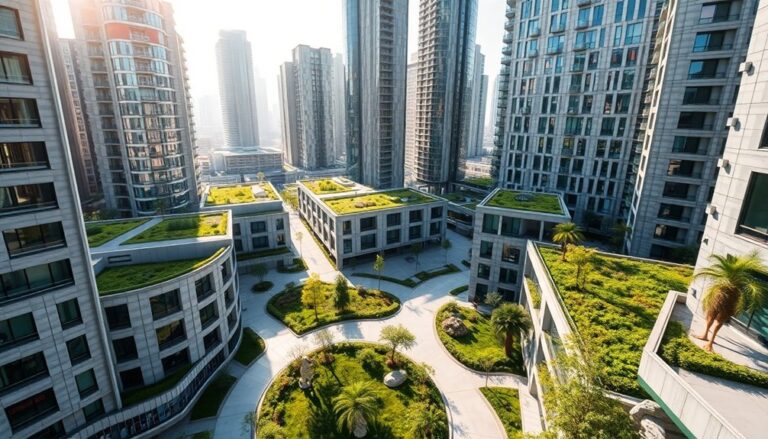
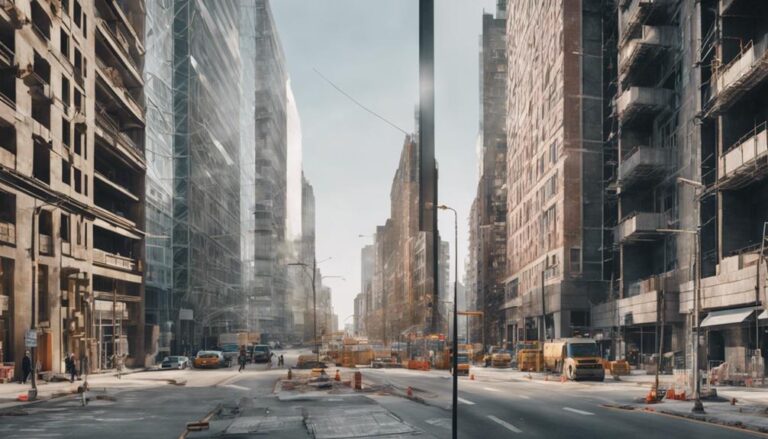
As we build and renew our cities, we're recognizing that sustainable urban planning is essential to our planet's future. We're integrating green infrastructure, sustainable transportation systems, and energy-efficient buildings to create eco-friendly cities. Urban agriculture and innovative waste management strategies are reducing our carbon footprint. We're harnessing data and technology to optimize city operations and create resilient, sustainable cities. And, we're just getting started – there's more to explore as we work together to create a better future for all.
Green Infrastructure for Urban Renewal
As we endeavor to revitalize urban landscapes, incorporating green infrastructure becomes an important step in the pursuit of sustainable urban renewal. We recognize that traditional urban planning has often prioritized development over environmental concerns, leading to the degradation of natural habitats and the loss of ecosystem services. By integrating green infrastructure into our urban planning, we can mitigate the negative impacts of urbanization and create more resilient, sustainable cities.
Green infrastructure refers to the network of natural and semi-natural systems that provide ecological benefits to urban areas. This includes parks, green roofs, green walls, and urban forests, which help to manage stormwater runoff, reduce air pollution, and provide habitat for urban wildlife. By incorporating these systems into our urban design, we can improve air and water quality, reduce the urban heat island effect, and enhance biodiversity.
We understand that the benefits of green infrastructure extend beyond environmental benefits. Green spaces also provide numerous social and economic benefits, including improved public health, increased property values, and enhanced community engagement. By prioritizing green infrastructure in our urban planning, we can create more livable, sustainable cities that support the well-being of both people and the planet. As we move forward, we're committed to integrating green infrastructure into our urban renewal efforts, creating vibrant, eco-friendly cities that thrive for generations to come.
Sustainable Transportation Systems Design
By 2050, we will have designed and implemented sustainable transportation systems that prioritize people, planet, and prosperity, transforming the way we move around cities. This vision is essential for creating eco-friendly cities, as transportation accounts for a significant share of greenhouse gas emissions. We're working towards a future where mobility is clean, efficient, and accessible to all.
To achieve this, we're focusing on three key areas: electrification, shared mobility, and smart infrastructure. Here's a snapshot of our strategy:
| Strategy | Benefits | Examples |
|---|---|---|
| Electrify transportation | Reduce emissions, improve air quality | Electric buses, EV charging infrastructure |
| Promote shared mobility | Reduce congestion, increase efficiency | Car-sharing, bike-sharing, ride-sharing |
| Develop smart infrastructure | Optimize traffic flow, reduce congestion | Intelligent traffic management, smart traffic lights |
Energy Efficiency in Buildings
We're now turning our attention to energy efficiency in buildings, where innovative designs and technologies can greatly reduce our carbon footprint. As we design and construct buildings that are energy-efficient, we're not only reducing our energy consumption but also minimizing the environmental impact of our urban spaces. This is essential, considering that buildings account for nearly 40% of global energy consumption.
To achieve energy efficiency, we're incorporating green building materials, insulation, and advanced glazing systems into our architectural designs. We're also leveraging cutting-edge technologies like building management systems, which optimize energy use and detect potential energy-wasting areas. In addition, we're integrating renewable energy sources, such as solar and wind power, into our building designs to reduce reliance on fossil fuels.
Furthermore, we're adopting passive design strategies, such as natural ventilation, daylighting, and thermal massing, to minimize the need for artificial lighting and heating and cooling systems. By incorporating these design elements, we can create buildings that are not only energy-efficient but also comfortable, healthy, and productive environments for occupants. As we continue to innovate and push the boundaries of energy-efficient design, we're creating a more sustainable future for our cities and communities.
Urban Agriculture and Food Systems
In addition to innovative urban agriculture and food systems, we're cultivating a healthier, more resilient food supply that not only nourishes our bodies but also revitalizes our urban ecosystems. By incorporating urban farms, community gardens, and greenhouses into our cityscapes, we're reducing our reliance on industrial agriculture and decreasing the carbon footprint associated with long-distance food transportation. This approach also enables us to grow a diverse range of fruits, vegetables, and grains, making fresh, nutritious food more accessible to urban residents.
We're also exploring alternative food systems, such as vertical farming, hydroponics, and aquaponics, which maximize yields while minimizing land use and water consumption. These innovative methods not only increase food production but also provide opportunities for community engagement, education, and job creation. Additionally, urban agriculture helps to mitigate the urban heat island effect, absorbs carbon dioxide, and creates habitats for urban wildlife.
Waste Management and Recycling Strategies
As we reimagine our urban landscapes, we're recognizing the importance of essential waste management and recycling strategies to minimize the environmental impact of our daily lives. The average American generates about 4.4 pounds of trash per day, and if we don't take action, our landfills will continue to overflow, contributing to pollution and climate change. We need to rethink our approach to waste management, focusing on reduction, reuse, and recycling.
We're exploring innovative solutions like zero-waste districts, where businesses and residents work together to minimize waste. We're also investing in advanced recycling facilities that can process a wider range of materials, from plastics to organics. By implementing curbside composting programs, we can divert organic waste from landfills and create nutrient-rich soil for our urban farms.
We're also promoting sustainable consumption practices, encouraging citizens to choose products with minimal packaging, buy in bulk, and avoid single-use plastics. By making recycling easier and more accessible, we can increase participation rates and create a culture of sustainability. As we endeavor to create eco-friendly cities, we recognize that effective waste management and recycling strategies are essential to reducing our environmental footprint and building a healthier, more sustainable future.
Water Conservation and Management
By 2025, the global demand for water is projected to exceed supply by 40%, highlighting the urgent need for innovative water conservation and management strategies in our urban landscapes. As we urban planners, we recognize that water scarcity is a pressing issue that demands immediate attention. We must adopt sustainable practices to reduce our water footprint and guarantee a reliable supply for future generations.
We're committed to implementing effective water conservation measures, such as rainwater harvesting systems and greywater reuse. These strategies not only decrease potable water consumption but also minimize the amount of wastewater generated. Additionally, we're promoting water-efficient appliances and fixtures, encouraging residents to adopt water-saving habits through education and outreach programs.
In our urban planning, we're incorporating green infrastructure, such as green roofs, permeable pavements, and urban wetlands, to manage stormwater runoff and alleviate the pressure on municipal drainage systems. We're also investing in water-saving technologies, like smart meters and leak detection systems, to identify and address water losses in our distribution networks.
Innovative Urban Planning Technologies
As we explore the world of innovative urban planning technologies, we're excited to discover the transformative potential of smart city infrastructure, green building initiatives, and data-driven urban design. These cutting-edge approaches are revolutionizing the way we design, manage, and interact with our cities. By embracing these innovative solutions, we can create more sustainable, efficient, and livable urban spaces that benefit both people and the planet.
Smart City Infrastructure
We're integrating cutting-edge technologies into urban infrastructure to create smart cities that are more efficient, sustainable, and responsive to citizens' needs. This involves implementing advanced data analytics, IoT sensors, and other digital solutions to optimize city operations. For instance, intelligent transportation systems can dynamically adjust traffic light timings to reduce congestion and minimize travel times. We're also deploying smart energy grids that can predict and manage energy demand in real-time, reducing waste and promoting renewable energy sources.
Furthermore, we're leveraging advanced data analytics to enhance public safety, improve waste management, and optimize municipal services. By leveraging real-time data, cities can respond more effectively to emergencies, allocate resources more efficiently, and engage citizens more effectively. As we continue to develop and refine these technologies, we're creating cities that are not only more sustainable but also more livable, resilient, and responsive to the needs of their citizens. By harnessing the power of technology, we're building a better urban future – one that's more efficient, more sustainable, and more equitable for all.
Green Building Initiatives
While smart city infrastructure focuses on optimizing urban operations, innovative green building initiatives are transforming the way we design and construct buildings, reducing their environmental footprint and promoting sustainable urban development. We're seeing a shift towards eco-friendly buildings that not only minimize waste and pollution but also provide healthier indoor environments for occupants.
| Green Building Initiative | Benefits |
|---|---|
| Green roofs and walls | Insulation, reduced urban heat island effect |
| Rainwater harvesting systems | Reduced water consumption, minimized stormwater runoff |
| Energy-efficient systems | Lower energy consumption, reduced greenhouse gas emissions |
These initiatives are essential in reducing the environmental impact of urbanization. By incorporating green building practices, we can create more sustainable cities that prioritize the well-being of both people and the planet. As we move forward, it's essential to continue developing and implementing innovative green building solutions that support a healthier, more sustainable urban future.
Data-Driven Urban Design
By leveraging cutting-edge technologies, we're harnessing the power of data to revolutionize urban planning, creating smarter, more sustainable cities that prioritize efficiency, resilience, and quality of life. Data-driven urban design is transforming the way we plan and manage cities. We're using advanced analytics, IoT sensors, and machine learning algorithms to gather and process vast amounts of data on urban systems, from transportation patterns to energy consumption. This information enables us to identify areas of inefficiency, optimize resource allocation, and make data-informed decisions that benefit the environment and citizens. For instance, smart traffic management systems can reduce congestion and emissions, while green infrastructure planning can maximize urban green spaces. By integrating data-driven insights into urban planning, we're creating cities that are more livable, sustainable, and resilient. We're also fostering a culture of innovation and collaboration, where stakeholders can access and contribute to urban data, driving collective progress toward a more sustainable urban future.
Frequently Asked Questions
How Do You Balance Urban Growth With Environmental Conservation?
As we envision the city of tomorrow, we're faced with a challenging dilemma: how do we balance urban growth with environmental conservation? It's like trying to reconcile two rival siblings – one clamoring for development, the other pleading for preservation. We must carefully weigh the need for progress against the imperative to protect our planet. By integrating green spaces, sustainable infrastructure, and eco-friendly policies, we can create a harmonious coexistence between growth and conservation.
Can Eco-Friendly Cities Also Be Economically Sustainable?
We believe that eco-friendly cities can definitely be economically sustainable. By investing in green infrastructure, we’re creating jobs and stimulating local economies. Green spaces increase property values, and eco-friendly buildings reduce energy costs. We’re not just saving the planet, we’re also saving money. Plus, sustainable cities attract eco-conscious businesses and tourists, generating revenue. It’s a win-win – we get to protect the environment while boosting the economy. Strong environmental policies and business impact go hand in hand, ensuring long-term economic growth while preserving natural resources. By supporting clean energy initiatives and sustainable transportation, cities can further reduce costs and create new market opportunities. Investing in sustainability today guarantees a healthier, more prosperous future for both businesses and communities.
What Role Do Citizens Play in Shaping Urban Planning Decisions?
As citizens, we play a crucial role in shaping urban planning decisions that impact our daily lives. We're not just passive recipients of city plans; we're active participants who can influence the outcome. By engaging with local government, attending community meetings, and voicing our concerns, we can guarantee that our needs and values are reflected in urban planning decisions. By doing so, we can create cities that are not only eco-friendly but also socially and economically sustainable.
How Do Urban Planners Address the Needs of Diverse, Aging Populations?
As we weave through the tapestry of urban life, we're reminded that our cities are a rich brocade of generations. Now, we're tasked with ensuring our urban planners cater to the diverse, aging populations that call our cities home. We must prioritize accessibility, affordability, and community engagement to create inclusive spaces that welcome all. By doing so, we'll craft vibrant, intergenerational hubs where everyone can thrive.
Can Existing Cities Be Retrofitted to Become Sustainable?
We're convinced that existing cities can be retrofitted to become sustainable. It'll require a major overhaul, but it's doable. We'll need to prioritize green spaces, renewable energy, and eco-friendly infrastructure. By repurposing old buildings and implementing smart transportation systems, we can reduce our carbon footprint. It's a complex process, but we're up for the challenge. With careful planning and collaboration, we can transform our cities into thriving, sustainable hubs.