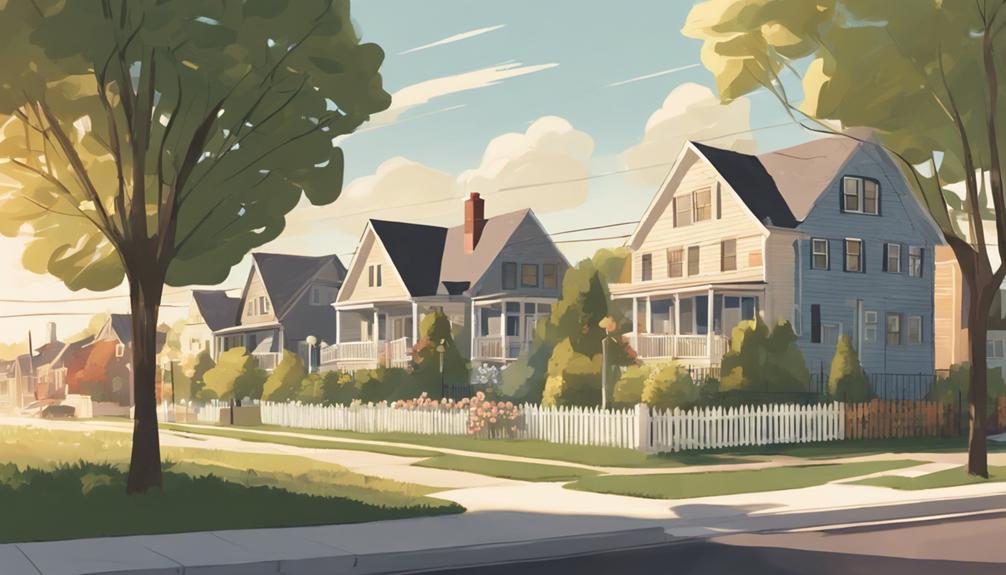
We live alongside our neighbors, bound together by shared walls, fences, and streets, and managing these relationships requires a delicate balance of asserting our rights and practicing good etiquette. We need to understand our property boundaries, communicate openly about maintenance, and be mindful of noise levels. We should also establish clear guidelines for shared outdoor spaces and resolve disputes calmly and respectfully. By following local ordinances and practicing everyday courtesies, we can maintain a harmonious living environment. As we explore these aspects further, we'll uncover more ways to foster positive relationships with those closest to us.
Understanding Property Boundaries
As we navigate the complexities of neighborly relations, defining our property boundaries becomes essential to avoiding potential disputes. We've all heard the horror stories of fences being erected overnight, trees being cut down without permission, and lawns being accidentally mowed. It's important that we take proactive steps to prevent these issues from arising in the first place.
We should start by reviewing our property deeds and survey maps to determine the exact boundaries of our land. This will give us a clear understanding of what belongs to us and what doesn't. We can also take photos and make notes to document the boundaries, which can be especially helpful if there are any disputes in the future.
It's also critical that we communicate openly and honestly with our neighbors about our property boundaries. If we're unsure about where the boundary lies, it's better to ask and clarify rather than making assumptions. By being respectful and considerate of our neighbors' property, we can build trust and foster a sense of community.
Noise Ordinances and Disturbances
As we navigate the complexities of neighborhood living, it's crucial to grasp the noise ordinances in our area, including the acceptable noise level limits and the procedures for addressing disturbances. By being aware of our rights and responsibilities, we can take steps to resolve noise disputes amicably and maintain a more peaceful living environment.
Noise Level Limits
How can we strike a balance between enjoying our homes and respecting our neighbors' right to peace and quiet, especially when it comes to noise level limits? We all want to feel comfortable in our living spaces, but we also need to be mindful of the sounds that can disturb those around us.
To help us navigate this delicate balance, many cities have established noise ordinances that set specific limits on acceptable noise levels. These limits vary by time of day, with quieter hours typically between 10 PM and 7 AM. Here's a breakdown of some common noise level limits:
| Time of Day | Acceptable Noise Level |
|---|---|
| 7 AM – 10 PM | 50 decibels (normal conversation level) |
| 10 PM – 7 AM | 40 decibels (soft whisper) |
| Construction/Repairs | 80 decibels (loud conversation) |
| Music/Parties | 60 decibels (background music) |
Dispute Resolution Tips
We've all been there – stuck in a noise-related dispute with our neighbors, wondering how to resolve the issue without things getting out of hand. When noise ordinances and disturbances come into play, it's essential to approach the situation calmly and rationally.
To avoid escalating the situation, we should:
- Stay calm and composed: Take a deep breath and try not to let emotions get the better of us. A clear head will help us communicate more effectively.
- Use "I" statements: Instead of accusing our neighbors of being inconsiderate, express our concerns using "I" statements, which help to avoid blame and defensiveness.
- Seek mediation: If talking to our neighbors directly doesn't work, consider seeking the help of a neutral mediator, such as a community mediator or a homeowners' association representative.
Shared Outdoor Spaces and Maintenance
As we navigate shared outdoor spaces with our neighbors, we need to clarify the boundaries of common areas and define outdoor space divisions. This is essential to avoid misunderstandings and establish outdoor space divisions. By setting clear expectations, we can maintain a harmonious living environment and prevent potential disputes.
Common Area Boundaries
Our community's common areas, including outdoor spaces and shared facilities, often spark debate and confusion when it comes to maintenance responsibilities. As a community, we've learned that it's crucial to establish clear boundaries and guidelines to guarantee everyone contributes to the upkeep of these areas. This not only maintains the aesthetic appeal of our community but also fosters a sense of shared responsibility and ownership.
To avoid misunderstandings, we've developed some guidelines to clarify maintenance responsibilities:
- Designated maintenance teams: We've formed teams responsible for specific areas, such as landscaping, trash collection, and facility upkeep. This ensures that tasks are distributed fairly and that everyone knows their role.
- Scheduling and communication: We've created a shared calendar to schedule maintenance tasks and communicate with each other about upcoming events or changes.
- Clear signage and documentation: We've installed clear signs indicating who's responsible for each area and maintain a shared document outlining our maintenance policies and procedures.
Outdoor Space Divisions
Two outdoor spaces, the courtyard and the playground, have sparked the most debate among us regarding maintenance responsibilities. As we navigate shared outdoor spaces, it's essential to establish clear guidelines to avoid misunderstandings and tension. We've found that dividing responsibilities can help maintain harmony among neighbors.
| Space | Maintenance Responsibilities |
|---|---|
| Courtyard | Shared among all residents (lawn care, gardening) |
| Playground | Rotating schedule among families with young children (cleaning, repairs) |
| Patio | Individual owners responsible for their designated area |
| Greenbelt | HOA-managed, with volunteer opportunities for residents |
| Walkways | Shared among all residents (snow removal, cleaning) |
Resolving Disputes Amicably
When conflicts arise, we must take a deep breath and remind ourselves that resolving disputes amicably with our neighbors is essential for maintaining a peaceful living environment. After all, we're not just resolving a dispute – we're maintaining a relationship that's vital to our daily lives.
When tensions arise, it's essential to approach the situation calmly and rationally. We should try to see things from our neighbor's perspective, and avoid being confrontational or aggressive. Instead, we should focus on finding a mutually beneficial solution that works for everyone involved.
Here are some tips to help us resolve disputes amicably:
- Stay calm and composed: Take a few deep breaths, count to ten, or step away for a moment to collect our thoughts before responding to a situation.
- Use 'I' statements: Instead of accusing our neighbor of being noisy, say 'I have trouble sleeping when I hear loud noises after 10 PM.' This helps to express our concerns without placing blame.
- Seek common ground: Look for areas of agreement and try to find a compromise that works for both parties. By focusing on shared goals and interests, we can often find a solution that satisfies everyone.
Everyday Etiquette and Courtesies
We show respect for our neighbors and foster a positive living environment by practicing everyday etiquette and courtesies, such as introducing ourselves, respecting boundaries, and being mindful of shared spaces. These small gestures can go a long way in building a sense of community and reducing tension. For instance, we can make an effort to greet our neighbors warmly, offer to help with heavy packages, or simply ask about their day.
| Everyday Etiquette | Why It Matters |
|---|---|
| Introduce yourself | Break the ice and establish a connection |
| Respect noise levels | Avoid disturbing the peace and quiet |
| Keep common areas clean | Show consideration for shared spaces |
Knowing Your Local Ordinances
Understanding local ordinances is crucial because they dictate how we can use our property, from parking restrictions to noise regulations, and being aware of these laws helps us avoid unintentionally disturbing our neighbors. By familiarizing ourselves with local ordinances, we can make sure that we're not only complying with the law but also being considerate of those around us.
Knowing the rules can also help us navigate potential conflicts with our neighbors. For instance, if we're planning a backyard BBQ that might generate some noise, we can check the local noise ordinance to confirm we're not disturbing the peace. This proactive approach can prevent misunderstandings and foster a more harmonious living environment.
Some key areas to explore in our local ordinances include:
- Property maintenance: What are the regulations regarding lawn care, trash disposal, and exterior property upkeep?
- Noise restrictions: What are the quiet hours, and are there any specific noise level restrictions?
- Parking and storage: Are there rules governing where we can park our vehicles, and how we can store items like RVs or boats on our property?
Frequently Asked Questions
Can I Trim the Branches of My Neighbor's Tree That Hang Over My Property?
We totally get it – those overhanging branches can be super annoying! So, can we trim them? Generally, yes, we can trim branches that hang over our property line, but there's a catch. We should only trim up to the property line, not cut the whole branch off, and we shouldn't enter our neighbor's property without permission. It's always a good idea to talk to our neighbor first, just to be on the same page.
What if My Neighbor's Pet Is Constantly Trespassing on My Lawn?
We're frustrated when our neighbor's pet constantly trespasses on our lawn! It's not just about the mess, it's about feeling disrespected in our own space. We've tried talking to our neighbor, but the issue persists. Now, we're considering installing a fence or asking our neighbor to take responsibility for their pet's actions. We want to find a solution that works for everyone, but we need some boundaries in place to maintain our sense of home.
Can I Park My Vehicle in Front of My Neighbor's House if It's Not Posted?
Can we really park wherever we want? The thought of it sends a shiver down our spines. As we weigh our options, our hearts race with anticipation. But, let's get real – we shouldn't assume it's okay to park in front of our neighbor's house just because there's no sign. We need to take into account their feelings and property rights. It's always better to ask politely or park elsewhere to avoid any potential conflicts.
How Do I Handle a Neighbor Who Constantly Borrows Tools Without Asking?
We've all been there – lending a helping hand (or tool) to a neighbor in need. But when it becomes a habit without asking, it's frustrating! We think it's essential to address the issue directly. Try having a polite conversation, setting clear boundaries, and suggesting a borrowing system. If that doesn't work, we'd consider labeling our tools with our names or keeping them in a secure location.
Can I Install a Fence Without My Neighbor's Permission if We Share a Boundary?
We're wondering if we can install a fence without our neighbor's permission since we share a boundary. Generally, we need their consent, especially if the fence will be on or near the property line. However, local laws and regulations vary, so we should check with our local government to determine the specific rules in our area. It's always best to communicate with our neighbor and come to a mutual agreement, though.