As we adapt to the new normal, we’re seeing a transformed real estate market. Virtual property showings are now the norm, and remote work has led to increased demand for home offices and amenities. Homebuyers prioritize space, outdoor areas, and health-focused amenities like air purification systems. The pandemic has accelerated the exodus from cities, with rural living and suburban infill development gaining popularity. Real estate agents have had to evolve, utilizing technology and focusing on clear communication and community-building. The shift is undeniable, and as we explore the new landscape, we’re discovering even more changes that will reshape our perception of home and community. Buyers and investors alike are closely monitoring future real estate trends, with a growing emphasis on sustainability and smart home technology. Energy-efficient homes, solar panels, and eco-friendly designs are becoming key factors in purchasing decisions. As we move forward, the integration of artificial intelligence and data analytics in real estate transactions will further streamline the buying and selling process.
Shift to Virtual Property Showings
As we adapted to the new normal of social distancing, virtual property showings became an essential tool for real estate agents, allowing us to safely continue facilitating property transactions while minimizing in-person interactions. This shift was vital in keeping the market moving, as it enabled buyers to explore properties from the comfort of their own homes. We, as agents, had to quickly adapt to this new way of doing things, investing in the necessary technology and training to provide seamless virtual experiences.
Through virtual showings, we can now provide buyers with immersive, 360-degree views of properties, allowing them to explore every nook and cranny remotely. This not only reduces the risk of in-person contact but also saves time and increases efficiency. We can also use virtual reality technology to recreate the experience of walking through a property, making it feel more realistic for buyers.
As we navigate this new landscape, we're finding that virtual showings are becoming an integral part of the home-buying process. They allow us to cater to a wider audience, including out-of-town buyers and those who are immunocompromised. By embracing this technology, we're able to provide a safer, more convenient, and more accessible way to buy and sell properties – a win-win for everyone involved.
Rise of Remote Work and Housing
We're witnessing a seismic shift in the way people live and work, as the rise of remote work has sparked a corresponding evolution in housing needs. With many companies adopting permanent remote work arrangements, people are rethinking their living situations. No longer are they tied to a specific location for work, and this newfound freedom is changing the way we think about housing.
As a result, we're seeing a shift towards more flexible, adaptable living arrangements. Here are just a few ways this is playing out:
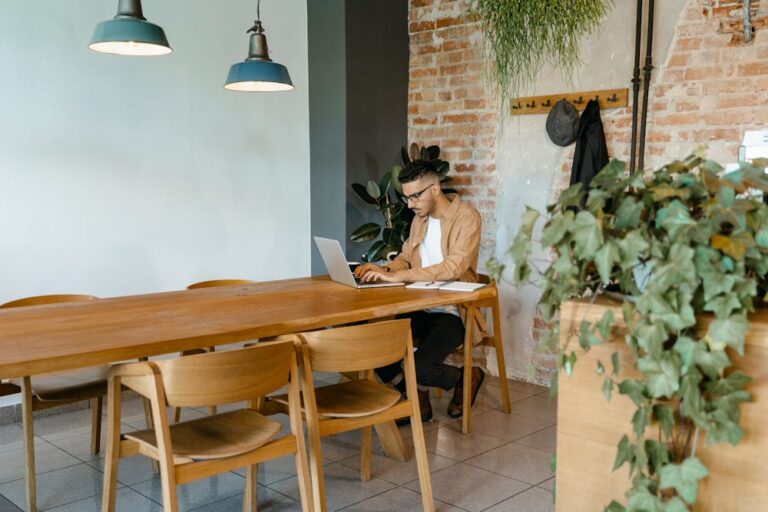
- Increased demand for home offices: With remote work on the rise, people need dedicated spaces to get work done. This means homes with functional, comfortable offices are becoming more desirable.
- Prioritization of amenities: With more time spent at home, people are looking for amenities that enhance their quality of life, such as gyms, pools, and communal spaces.
- Growing popularity of smaller cities: As people are no longer tied to specific locations for work, smaller cities and towns are becoming more appealing for their lower costs of living and slower pace of life.
- More focus on community: With remote work, people are craving connection and community. This means neighborhoods and communities with a strong sense of belonging are becoming more desirable.
As we navigate this new landscape, one thing is clear: the way we live and work is changing, and our housing needs are evolving right along with it.
Changes in Homebuyer Priorities
As we navigate the new normal of the real estate market, we're seeing a significant shift in what homebuyers prioritize. We're looking for more space to accommodate our new work-from-home lifestyles, and amenities that cater to our health and wellness have become essential. We're rethinking what we need in a home, and our new priorities are reshaping the way we approach homeownership.
Space and Amenities
In the post-pandemic era, our priorities have shifted, and we're now seeking more square footage and upgraded amenities in our dream homes, a significant departure from the pre-COVID-19 era. As we've adapted to the new normal, we're craving spaces that cater to our evolving lifestyles.
- We want homes with dedicated workspaces to accommodate remote work and virtual learning.
- We're looking for residences with ample outdoor spaces, such as balconies, backyards, or community gardens, to reconnect with nature.
- We're prioritizing amenities like fitness centers, swimming pools, and community kitchens to foster a sense of community and social connection.
- We're seeking smart homes with integrated technology to streamline our daily lives and enhance our overall quality of life.
These shifting priorities have forced us to reevaluate our definition of a "dream home." As we navigate this new reality, we're recognizing the importance of spaces that support our well-being, productivity, and social connections.
Health and Wellness
In addition, our homes have become the frontline of defense against the pandemic, and now, health and wellness take center stage in our quest for the perfect living space. We're no longer just looking for a place to rest our heads; we're searching for a sanctuary that nurtures our physical and mental well-being. As a result, homebuyers are prioritizing features that promote health and wellness, such as natural light, air quality, and access to outdoor spaces. We're also seeing a surge in demand for homes with built-in wellness amenities, like meditation rooms, yoga studios, and spa-inspired bathrooms. It's no longer enough to have a backyard; we want a green oasis that brings us closer to nature. Additionally, we're willing to pay a premium for homes with smart technology that monitors and improves indoor air quality, circadian-friendly lighting, and noise-reducing features. As we redefine what it means to live well, our homes are becoming an extension of our wellness journey, and we're willing to invest in spaces that support our overall health and happiness.
Increased Focus on Health Amenities
We're witnessing a significant shift in the real estate market, where developers and homeowners alike are prioritizing health-focused amenities to attract buyers and tenants seeking a safer, healthier living environment. As we navigate this new normal, it's clear that the pandemic has accelerated the importance of wellness in our living spaces.
The increased focus on health amenities is a direct response to the pandemic, and we're seeing a surge in demand for properties that cater to this need. It's no longer just about having a gym or a pool; it's about creating an environment that supports our overall well-being.
Some of the most sought-after health amenities include:
- Air purification systems: High-end ventilation systems that remove pollutants and allergens from the air, promoting cleaner breathing.
- Wellness-focused common areas: Spaces designed for meditation, yoga, or other mindfulness practices, encouraging residents to prioritize self-care.
- On-site health services: Properties that offer on-site medical facilities, telemedicine services, or even concierge health services.
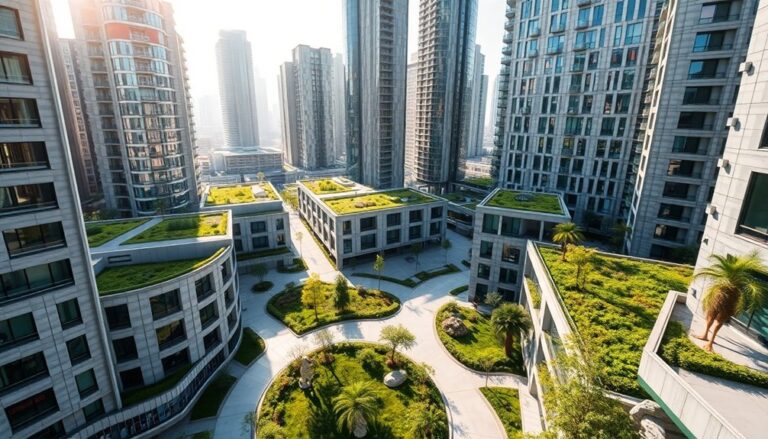
- Biophilic design: Buildings that incorporate natural elements, such as green walls or living roofs, to promote a connection with nature.
As we move forward, it's clear that health-focused amenities will be a key differentiator in the real estate market. We're no longer just looking for a place to live; we're seeking a haven that supports our well-being and promotes a healthier lifestyle.
Impact on Urban Vs Rural Living
As we navigate the post-pandemic real estate landscape, we're seeing a significant shift in the way people want to live. The COVID-19 crisis has accelerated the exodus from cities, sparking a rural revival and a surge in suburban infill development. We'll explore how these changes are reshaping the urban-rural dynamic and what it means for the future of real estate.
City Exodus Accelerates
The COVID-19 pandemic has triggered a massive city exodus, with many people fleeing urban centers for the perceived safety and tranquility of rural areas. We're seeing a notable shift in the way people want to live, with a growing desire for more space, cleaner air, and a slower pace of life. As we've become more aware of the importance of our surroundings on our health and wellbeing, the appeal of rural living has grown.
Here are just a few reasons why we're abandoning city life:
- Tighter-knit communities: Rural areas offer a stronger sense of community, where neighbors become like family.
- More affordable housing: The cost of living in rural areas is often notably lower than in cities, making it easier to find affordable housing.
- A healthier lifestyle: Rural areas offer more opportunities for outdoor activities, cleaner air, and a healthier environment.
- Remote work: With the rise of remote work, we can now live and work from anywhere, making rural areas a more viable option.
As we continue to navigate this new normal, it's clear that our priorities have changed. We're seeking a better quality of life, and rural areas are becoming an increasingly attractive option.
Rural Revival Begins
Fresh opportunities and challenges arise as rural areas experience a resurgence in popularity, shifting the dynamics between urban and rural living. We're witnessing a significant shift in the way people perceive rural living, and it's not just about escaping the chaos of city life. As we've grown tired of the confines of urban apartments, we're craving more space, cleaner air, and a stronger sense of community. Rural areas, once seen as isolated and lacking in amenities, are now being reevaluated as desirable alternatives. With remote work becoming the new norm, we're no longer tied to city centers for employment. This newfound flexibility has opened up possibilities for a more relaxed pace of life, closer to nature, and with a stronger sense of belonging. We're trading in the bright lights and noise of the city for starry skies, rolling hills, and a more authentic way of living. As rural areas flourish, we're rediscovering the beauty of a simpler, more peaceful existence.
Suburban Infill Thrives
We're finding that suburban areas, once overlooked, are now being rediscovered as the perfect compromise between the amenities of city living and the tranquility of rural life. As we navigate the post-pandemic world, we're drawn to the balance that suburban living provides. We're no longer forced to choose between the excitement of urban centers and the peace of rural landscapes.
Here are just a few reasons why suburban infill is thriving:
- Community: Suburban areas offer a sense of community that's often lacking in urban centers. We're craving connection and belonging, and suburban neighborhoods provide the perfect setting for it.
- Affordability: Suburban living is often more affordable than city living, making it an attractive option for those priced out of urban areas.
- Amenities: Suburban areas are now offering many of the same amenities as cities, from trendy restaurants to boutique fitness studios.
- Quality of Life: Suburban living offers a more relaxed pace of life, with easier access to parks, trails, and other outdoor spaces.
As we move forward, it's clear that suburban infill is here to stay. We're excited to see how this trend will continue to shape the real estate market in the years to come.
New Era of Contactless Transactions
As we navigate the post-pandemic real estate landscape, digital tools are revolutionizing the way buyers, sellers, and agents interact, paving the way for a seamless and contactless transaction experience. Gone are the days of endless paperwork, in-person meetings, and tedious documentation. Today, we're embracing a new era of contactless transactions, where every step of the buying and selling process can be facilitated digitally.
We're seeing a surge in virtual home tours, online open houses, and digital contract signings. This shift is not only convenient but also reduces the risk of in-person contact, aligning perfectly with our new normal. Moreover, advanced digital platforms are streamlining communication, allowing buyers, sellers, and agents to collaborate effortlessly. We can now review and sign documents, exchange messages, and track progress in real-time, all from the comfort of our own homes.
The benefits are twofold: on one hand, contactless transactions save time and increase efficiency, allowing us to close deals faster. On the other hand, they provide an added layer of safety, reducing the risk of exposure to COVID-19. As we adapt to this new reality, we're finding that digital tools are enabling a more streamlined, efficient, and secure real estate experience. And we couldn't be more excited about the possibilities this new era holds.
Evolving Role of Real Estate Agents
While digital tools are revolutionizing the real estate landscape, they're also reshaping our role as real estate agents, forcing us to adapt and redefine our value proposition in this new era of contactless transactions. We're no longer just gatekeepers of property listings; we're now curators of personalized experiences, advisors, and problem solvers. Our role has evolved from simply showing properties to providing expert guidance, market insights, and emotional support throughout the buying or selling process.
Here are a few ways we're adapting to this new reality:
- Virtual open houses and 3D walkthroughs: We're leveraging technology to create immersive experiences that allow clients to explore properties remotely, saving time and increasing convenience.
- Personalized marketing strategies: We're using data analytics to tailor our marketing efforts to individual clients, ensuring they receive targeted communications that speak directly to their needs and preferences.
- Enhanced communication and transparency: We're prioritizing clear, consistent communication to keep clients informed every step of the way, from listing to closing.
- Community building and networking: We're fostering connections between clients, vendors, and other stakeholders to create a supportive ecosystem that extends beyond the transaction itself.
Pandemic's Effect on Housing Prices
As we explore the pandemic's effect on housing prices, we're seeing a significant shift towards suburban areas. With remote work becoming the new norm, we're noticing a decrease in demand for urban housing, leading to a subsequent drop in prices. We're interested in examining how this trend is rewriting the rules of the real estate market.
Shift to Suburbs
How did the pandemic's shift to remote work influence our priorities when it comes to housing, leading many of us to seek out more spacious suburban homes over cramped city apartments? As we adapted to the new normal, our housing needs changed dramatically. With the freedom to work from anywhere, we no longer needed to be tied to a specific location. We began to crave more space, both indoors and outdoors, and a quieter, more peaceful environment.
Some key factors driving this shift include:
- More space, more comfort: With the constant presence of family members, we needed more rooms, bigger yards, and amenities like backyards and pools.
- Affordability: Suburban homes often offer more bang for our buck, providing more square footage and amenities at a lower cost per square foot.
- Safety and security: The pandemic highlighted the importance of having a safe and secure living environment, which suburbs often provide.
- Lifestyle changes: With the rise of remote work, we're no longer tied to a specific location for work, allowing us to prioritize lifestyle and personal preferences over career considerations.
As we continue to navigate this new reality, it's clear that the pandemic has forever changed the way we think about housing and community.
Remote Work Impact
We're now witnessing a fascinating phenomenon where housing prices are being reshaped by the widespread adoption of remote work, as the pandemic's impact on housing demand and supply leads to a dramatic shift in the market. As we adapt to this new normal, we're seeing a shift in what buyers prioritize in a home. With the flexibility to work from anywhere, people are opting for larger homes with dedicated workspaces, often in suburban or rural areas with more affordable prices. This has led to an increase in housing prices in these areas, as demand surges. On the other hand, city centers, once hubs of activity, are seeing a decline in housing prices as the need for proximity to offices diminishes. We're also noticing a rise in popularity of homes with amenities like high-speed internet, quiet workspaces, and flexible floor plans. As remote work becomes the norm, we're redefining what makes a home desirable, and the market is responding accordingly.
Growing Demand for Outdoor Spaces
Today, homebuyers are prioritizing outdoor spaces, driving up demand for properties with yards, gardens, and balconies that offer a tranquil escape from the confines of indoor living. As we've learned to appreciate the importance of fresh air and natural light, our priorities have shifted. We're no longer satisfied with cramped, concrete jungles; instead, we crave spaces that promote well-being and connection with nature.
The desire for outdoor spaces is more than just a fleeting trend. It's a fundamental shift in the way we approach homeownership. We're seeking a sense of community, a sense of belonging, and a sense of peace – all of which can be found in thoughtfully designed outdoor areas.
Here are just a few ways we're seeing this trend play out:
- Urban gardens: City dwellers are clamoring for rooftops, balconies, and backyards that can be converted into thriving gardens.
- Outdoor living rooms: We're seeing a rise in demand for alfresco dining areas, outdoor kitchens, and cozy fire pits that blur the lines between indoors and out.
- Parks and green spaces: Homebuyers are prioritizing neighborhoods with access to parks, trails, and other green spaces that promote physical activity and community engagement.
- Sustainable design: Developers are incorporating eco-friendly features, such as rainwater harvesting systems and green roofs, to create homes that not only promote well-being but also reduce our carbon footprint.
As we move forward, it's clear that outdoor spaces will play a critical role in shaping the future of real estate.
Long-Term Effects on Mortgage Rates
As the pandemic's economic ripples continue to reverberate, our wallets are bracing for the long-term impact on mortgage rates, which will ultimately dictate the feasibility of our dream homes. We're not just talking about a slight adjustment; we're looking at a potential sea change in the way we finance our homes. With the pandemic's disruption to global supply chains and economic systems, interest rates are likely to fluctuate wildly in the short term.
In the long term, however, we can expect mortgage rates to stabilize and potentially even decrease. This is because central banks will likely keep interest rates low to stimulate economic growth. Additionally, the pandemic has accelerated the shift towards digitalization, making it easier for lenders to process mortgage applications and reduce costs. This could lead to more competitive pricing and better deals for borrowers.
As we navigate this new landscape, it's essential we stay informed about the changing mortgage market. We need to be prepared to adapt our financial plans and take advantage of opportunities as they arise. By staying vigilant and flexible, we can turn the pandemic's challenges into opportunities for growth and stability in our pursuit of homeownership.
Frequently Asked Questions
Will COVID-19 Vaccines Impact the Real Estate Market's Recovery?
As we navigate this new normal, we're wondering: will COVID-19 vaccines impact the real estate market's recovery? We think they will. With vaccines, people will feel safer, and that confidence boost could lead to increased buyer activity. Additionally, vaccines will likely reduce pandemic-related restrictions, making it easier for buyers to view properties and for construction projects to move forward. We're hopeful that vaccines will bring a sense of stability, and with it, a stronger real estate market.
How Will Virtual Property Showings Affect Property Prices?
We're excited to explore how virtual property showings will impact property prices. With COVID-19, virtual tours became the new norm, and we think this shift will continue to influence the market. As buyers can now explore properties from the comfort of their own homes, we predict a slight decrease in prices due to increased accessibility and reduced geographical barriers. This could lead to a more competitive market, with sellers adapting to the new virtual landscape.
Can I Still Get a Mortgage With a Poor Credit Score?
"We're not exactly knights in shining armor, but we'll slay the dragon of doubt for you! Can we get a mortgage with a poor credit score? The short answer is, it's not impossible, but it's definitely tougher. We'll need to provide more documentation, face higher interest rates, or consider alternative lenders. It's not ideal, but we can still ride off into the sunset with a mortgage, albeit with a few battle scars."
Will Urban Flight Lead to a Suburban Housing Bubble?
We're wondering if the urban exodus will trigger a suburban housing bubble. As people flee cities for more space and safety, we're seeing a surge in suburban demand. Prices are rising, and inventory is dwindling. We're concerned that this rapid growth might lead to an unsustainable bubble. We're keeping a close eye on the market, hoping it doesn't burst and leave buyers stuck with unaffordable mortgages.
Can I Negotiate a Better Price Due to Covid-19?
As we wade into the negotiation pool, we're all wondering, can we snag a better price tag due to COVID-19? Think of it like a game of chess – every move counts. We're not just pawns, we're the players. We've got the upper hand, and it's time to make our move. With the pandemic's impact, sellers might be more willing to bend. So, yes, we can negotiate a better price, but we need to be strategic and make a strong opening bid.