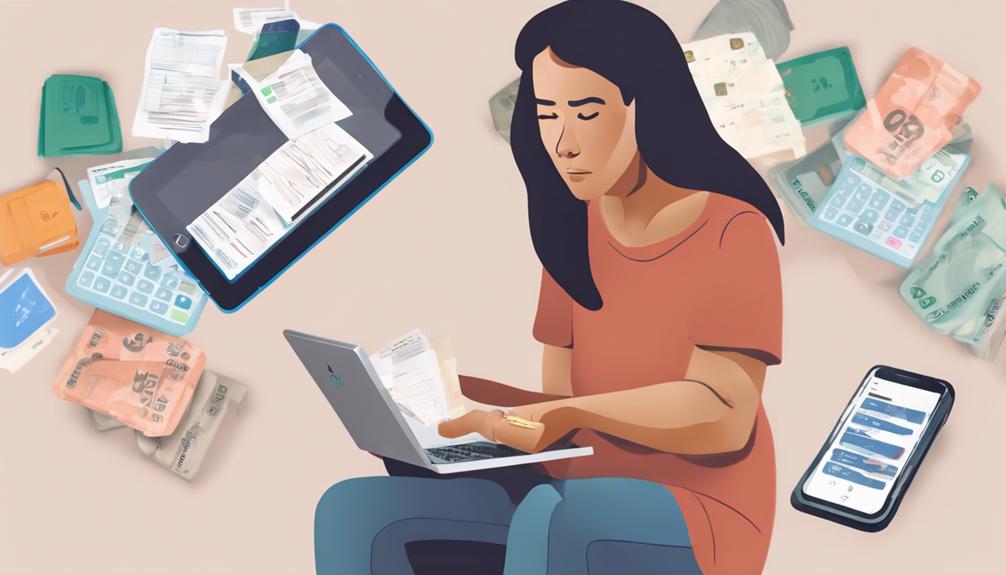
We’re always saving for something big, whether it’s a house, vacation, or major purchase. To avoid breaking the bank, we need a solid plan. We start by setting realistic savings goals, evaluating our current finances, and creating a dedicated budget. By prioritizing our spending and automating our savings plan, we can stay on track. We also need to be mindful of impulse purchases, which can quickly derail our plans. By taking control of our spending habits and reflecting on our motivations, we can make intentional decisions that align with our goals. Now, let’s dive deeper into the strategies that’ll help us achieve our financial objectives. One effective strategy is to set up automatic transfers to a dedicated savings account, ensuring that we consistently set money aside without having to think about it. This approach helps us manage money without overthinking, making saving a seamless part of our routine. Additionally, regularly reviewing our budget and making small adjustments along the way can keep us on track while still allowing for flexibility in our financial plans.
Set Realistic Savings Goals
To ensure we're saving enough for our big purchases, we need to set realistic savings goals that align with our financial priorities. We've all been there – wanting something badly, but struggling to afford it. That's why it's important to set specific, achievable targets. By doing so, we can break down our goals into manageable chunks, making it easier to stay on track.
We should start by identifying our financial priorities. What's most important to us? Is it saving for a down payment on a house, a dream vacation, or a new car? Once we've pinpointed our goals, we can determine how much we need to save each month. We can use the 50/30/20 rule as a guideline: 50% for necessities, 30% for discretionary spending, and 20% for saving and debt repayment.
It's essential to make our goals SMART – specific, measurable, achievable, relevant, and time-bound. For instance, instead of 'I want to save for a new car,' we could say 'I want to save $5,000 in the next 12 months for a new car.' By setting realistic goals, we'll be more motivated to stick to our savings plan and celebrate our progress along the way. By working together, we can achieve financial stability and make our big purchases a reality.
Assess Your Current Finances
Now that we've set realistic savings goals, we need to take a hard look at our current financial situation to understand where our money is going and identify areas for improvement. This means tracking every single transaction, no matter how small, to get a clear picture of our spending habits. We can use apps, spreadsheets, or even just a notebook to log our daily expenses. It might seem tedious, but it's essential to know exactly how much we're spending on necessities like rent, utilities, and groceries, as well as discretionary items like dining out or entertainment.
As we gather this data, we'll start to see patterns and trends emerge. We might be surprised to find that we're spending way more on coffee than we thought, or that our subscription services are adding up quickly. By recognizing these patterns, we can identify areas where we can cut back and allocate that money towards our savings goals instead. We might need to make some lifestyle adjustments, like cooking at home instead of eating out or canceling subscription services we don't use. By taking an honest look at our finances, we can make conscious decisions about how we spend our money and take control of our financial future.
Create a Dedicated Budget
With our financial snapshot in hand, we're ready to create a dedicated budget that allocates our income into specific categories, ensuring every dollar is working towards our savings goals. This budget will serve as our roadmap, guiding us towards making intentional purchasing decisions that align with our priorities.
To start, we'll identify our income sources and calculate our total monthly income. Next, we'll categorize our expenses into needs (housing, utilities, food, and transportation) and wants (entertainment, hobbies, and travel). We'll then allocate a percentage of our income to each category, making sure to prioritize our savings goals.
It's essential to be realistic when assigning these percentages, as overcommitting can lead to budget fatigue. We should also consider our debt repayment and emergency fund contributions when allocating our income. By doing so, we'll create a budget that's both achievable and effective in helping us reach our goals.
As we work through this process, we'll need to make some tough decisions about where our money will be best spent. However, by taking the time to create a dedicated budget, we'll be empowered to make intentional financial choices that bring us closer to achieving our big purchase goals.
Prioritize Your Spending
We prioritize our spending by ranking our financial goals, ensuring that every dollar is allocated towards the purchases that matter most to us. This helps us stay focused on what's truly important and avoid overspending on non-essential items. By prioritizing, we can make intentional decisions about how we allocate our money, rather than letting impulse purchases dictate our spending habits.
Here are three key steps to help us prioritize our spending:
- Identify our goals: We take some time to reflect on what we want to achieve with our money. Is it saving for a down payment on a house, paying off debt, or buying a new car? Whatever our goals, we make sure they're specific, measurable, and achievable.
- Rank our goals: Once we have a list of goals, we rank them in order of importance. This helps us allocate our money towards the most critical goals first, ensuring we're making progress towards what matters most.
- Allocate our money: With our goals ranked, we allocate our money accordingly. We make sure to allocate a significant portion of our budget towards our top goals, while still leaving room for discretionary spending.
Automate Your Savings Plan
As we work towards making our big purchases, we need to make saving a habit. To do this, we'll set specific savings goals, get a handle on where our money is going by tracking our spending habits, and schedule regular transfers to make saving easier and less prone to being neglected. By automating our savings plan, we'll be surprised at how quickly our funds can grow.
Set Savings Goals
We'll make saving easier by deciding how much we need to set aside each month to reach our goals. Setting clear savings goals helps us stay focused and motivated. It's essential to determine how much we need to save each month to achieve our targets.
Here are three key steps to set realistic savings goals:
- Determine the total amount needed: Calculate the total cost of our desired purchase, including any additional expenses.
- Set a realistic timeline: Decide how many months we have to reach our goal, considering our income and expenses.
- Break it down to monthly savings: Divide the total amount by the number of months we have to reach our goal, and that's how much we need to set aside each month.
Track Spending Habits
By monitoring our daily expenses, we can identify areas where we can cut back and allocate that money towards our savings goals. We've all been there – mindlessly swiping our cards, unaware of where our hard-earned cash is going. But, by tracking our spending habits, we can pinpoint those unnecessary expenses that are holding us back from achieving our goals. We can use apps, spreadsheets, or even just a simple notebook to log our daily expenses. It might seem tedious, but trust us, it's worth it. By doing so, we'll be able to see where we can make adjustments, cut back on unnecessary expenses, and allocate that money towards our savings goals. We'll be amazed at how quickly we can free up extra cash just by being more mindful of our spending. And, as we make progress, we'll feel a sense of accomplishment and motivation to keep going. So, let's take control of our finances, and start building towards a brighter financial future – together!
Schedule Regular Transfers
We establish automatic transfers from our checking account to our savings or investment accounts, making saving a priority and eliminating the need for discipline or willpower. By doing so, we guarantee that we're consistently setting aside a portion of our income, no matter what. This approach helps us build a safety net, achieve our financial goals, and make progress towards our big purchases.
Here are three benefits of scheduling regular transfers:
- Consistency: We make saving a habit, and it becomes second nature to set aside a specific amount regularly.
- Reduced financial stress: We're more likely to feel in control of our finances, knowing that we're working towards our goals.
- Flexibility: We can adjust the amount and frequency of our transfers as needed, allowing us to adapt to changes in our income or expenses.
Avoid Impulse Purchases
Making impulse purchases can quickly derail our financial plans and lead to buyer's remorse. We've all been there – walking into a store, seeing something we just can't resist, and whipping out our wallets without a second thought. But those impulsive buys can add up, putting a dent in our savings and making it harder to reach our long-term goals.
To avoid this financial pitfall, we need to develop some self-awareness around our spending habits. We should ask ourselves a few hard questions before making a purchase: do we really need this item? Will it add value to our lives? Can we afford it? Taking a moment to reflect on our motivations and priorities can help us make more intentional, thoughtful decisions.
Another strategy is to implement a 30-day waiting period for non-essential items. When we see something we want, we should wait a month before buying it. This allows us to assess whether the desire was just an impulsive want or a genuine need. By delaying the purchase, we can break the cycle of impulse buying and focus on what's truly important to us.
Frequently Asked Questions
Can I Use a Credit Card for Big Purchases and Still Save Money?
"We've all been there – tempted to whip out our credit cards for big-ticket items. But can we really use them and still save money? The answer is yes, if we're strategic. We need to pay off the balance in full each month, avoiding interest charges. We can also earn rewards and cashback on our purchases. By being mindful of our spending habits, we can make credit cards work for us, not against us."
How Do I Prioritize Spending When I Have Multiple Big Purchases Planned?
'As we set sail on the high seas of adulthood, steering through multiple big purchases can feel like mapping uncharted waters. When we've got multiple big-ticket items on the horizon, prioritizing our spending is key. We make a list, checking it twice, to rank our needs and wants. Then, we allocate our funds accordingly, making sure to leave some wiggle room for unexpected expenses. By doing so, we can stay on course, avoiding financial shipwrecks.'
Are There Any Benefits to Saving up Cash Instead of Using Financing Options?
When we're making big purchases, we often wonder if saving up cash is better than financing. Honestly, we think it's worth considering. By saving up, we avoid interest charges and debt, which can be a huge relief. Plus, paying cash upfront can give us more negotiating power and flexibility. It might take some time, but we believe the financial freedom is worth the wait.
Can I Use the 50/30/20 Rule for Big Purchases Like a Down Payment?
We're wondering if we can use the 50/30/20 rule for big purchases like a down payment. Honestly, it's a great guideline for daily expenses, but we're not sure it applies here. The rule allocates 50% for necessities, 30% for discretionary spending, and 20% for saving. For big purchases, we might need to adjust this ratio or create a separate fund. Let's explore this further to make the best decision for our wallets!
Should I Prioritize Big Purchases or Pay off High-Interest Debt First?
Did you know that 77% of Americans prioritize paying off debt over saving for big purchases? We're no exception! When it comes to deciding between prioritizing big purchases or paying off high-interest debt, we think it's a no-brainer. We'd rather tackle that high-interest debt first, freeing up more money in our budget for those big-ticket items. It's all about creating a solid financial foundation, and for us, that means debt comes first.