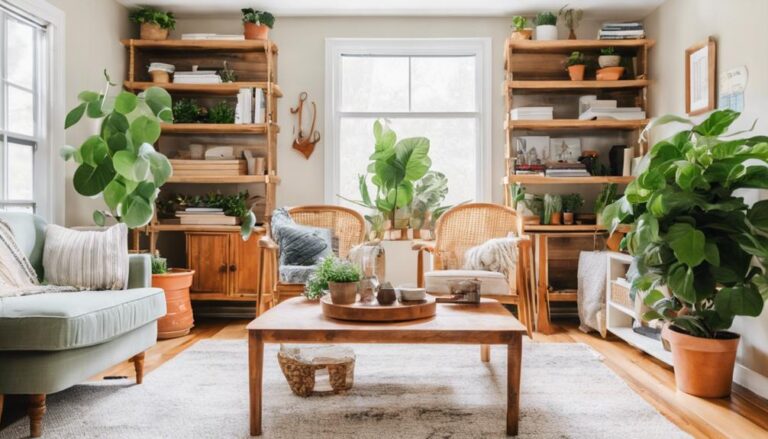
We've all fallen for trendy, affordable furniture that ends up in the landfill soon after. But what if we told you there's a better way? To choose furniture that lasts a lifetime, we need to assess the material quality, looking for solid hardwoods and natural fibers. We should also understand construction methods, opting for sturdy frames and well-crafted joints. And let's not forget about ergonomic design principles for long-term comfort. By doing our homework, we can invest in timeless pieces that promote our well-being and the environment. As we explore these factors, we may just find the perfect blend of style, comfort, and durability.
Assessing the Quality of Materials
When we set out to choose furniture that will stand the test of time, the quality of materials is the first and most critical factor to take into account. We want our furniture to be more than just aesthetically pleasing; we want it to be durable, reliable, and long-lasting. That's why we need to scrutinize the materials used in its construction.
We've all been there – we bring home a new piece of furniture, only to see it start to deteriorate after a few months. It's frustrating, to say the least. But when we choose high-quality materials, we're investing in a piece that will become a staple in our homes for years to come. For instance, solid hardwoods like oak and maple are far more durable than engineered woods or particleboard. Similarly, upholstery made from natural fibers like cotton and wool will outlast synthetic materials any day.
We should also keep an eye out for eco-friendly materials, which not only benefit the environment but also promote a healthier indoor air quality. By choosing sustainable materials, we're not only doing our part for the planet, but we're also creating a healthier living space for ourselves and our loved ones. By taking the time to assess the quality of materials, we're making a conscious decision to invest in our well-being and the well-being of our homes.
Understanding Construction Methods
As we explore the world of durable furniture, we're now going to examine the construction methods that make a piece last. We'll look at the importance of frame types, the difference between solid wood and veneer, and the significance of joints and connections. By understanding these key elements, we'll be better equipped to choose furniture that stands the test of time.
Frame Types Matter
What's the secret to a frame that withstands the test of time, and how do we guarantee our furniture won't become a disposable relic of the past? When it comes to choosing furniture that lasts, we need to look beyond the surface level. We need to examine the skeleton of our furniture, the frame that holds everything together. That's why frame types matter.
We've all been there – we buy a piece of furniture, and within a few years, it starts to show signs of wear and tear. The legs start to wobble, the joints begin to creak, and before we know it, the whole thing falls apart. But it doesn't have to be that way. By choosing furniture with a sturdy frame, we can make sure that our pieces will stand the test of time.
Solid Wood Vs. Veneer
We prefer solid wood construction over veneer whenever possible, as it guarantees that our furniture frames are built to last. When we choose solid wood, we're investing in a piece that will stand the test of time. Veneer, on the other hand, is a thin layer of wood glued onto a less expensive material, like plywood or MDF. While veneer can look great at first, it's more prone to peeling, cracking, and water damage.
When we opt for solid wood, we're getting a piece that's less likely to show signs of wear and tear. Solid wood can be sanded and refinished multiple times, giving our furniture a fresh new look whenever we want. Veneer, however, can't be sanded or refinished as easily, making it a less sustainable option.
We believe that solid wood is worth the investment. It may cost more upfront, but it's an investment in a piece that will last for generations. With veneer, we're taking a risk that it might not stand the test of time. We want our furniture to be a part of our family's story, and solid wood construction helps us achieve that.
Joints and Connections
We meticulously examine the joints and connections of a piece to verify that they can withstand the test of time. A well-crafted joint is the backbone of a durable piece of furniture, and we believe it's imperative to get it right. We look for joints that are reinforced with corner blocks, dowels, or screws, rather than relying on glue alone. This guarantees that the piece can withstand the wear and tear of daily use.
We're also particular about the type of joints used. Dovetail joints, for instance, are a hallmark of quality craftsmanship. They provide exceptional strength and resistance to racking forces, making them ideal for drawers and cabinets. Similarly, mortise and tenon joints are perfect for tables and chairs, as they offer superior stability and support.
Durable Fabric and Upholstery Options
As we explore durable fabric and upholstery options, we're looking for materials that can withstand the wear and tear of daily use. We'll examine the results of fabric durability tests to identify the most resilient fabrics, and we'll also investigate stain-resistant treatments that can help extend the life of our furniture. By considering these factors, we can make informed decisions about the upholstery materials that will best suit our needs.
Fabric Durability Tests
When selecting durable fabric and upholstery options, manufacturers often put their materials through a series of rigorous fabric durability tests to make sure they can withstand the wear and tear of daily use. We want to know that our furniture will remain comfortable and stylish for years to come, and these tests help guarantee that.
To give you a better idea of what these tests entail, here's a breakdown of some common fabric durability tests:
| Test | Description |
|---|---|
| Wyzenbeek Test | Measures fabric's resistance to abrasion and wear |
| Martindale Test | Evaluates fabric's durability under heavy use |
| Pilling Test | Assesses fabric's tendency to form pills or fuzz |
| UV Light Test | Examines fabric's colorfastness and resistance to fading |
Stain-Resistant Treatments Explored
One key aspect of durable fabric and upholstery options is the incorporation of stain-resistant treatments that repel spills and messes, making cleaning a breeze. We've all been there – accidentally spilling coffee on our new couch or watching in horror as our kids drop an entire plate of spaghetti on the carpet. With stain-resistant treatments, those accidents become much less stressful. We can simply wipe away the mess and move on with our day. These treatments work by creating an invisible barrier on the fabric's surface, preventing stains from setting in. Some popular options include Scotchgard, Teflon, and Crypton. We're not talking about a temporary fix here; these treatments can last for years, even with regular use. By choosing furniture with stain-resistant treatments, we're investing in a hassle-free living room where we can relax and enjoy quality time with our loved ones.
Upholstery Material Options
We prioritize durable upholstery materials that can withstand the rigors of daily use, guaranteeing our furniture remains comfortable, stylish, and functional for years to come. When it comes to choosing the perfect upholstery material, we consider factors like durability, stain resistance, and ease of cleaning. For high-traffic areas, we recommend selecting synthetic fabrics like polyester or nylon, which are easy to clean and resistant to wear and tear.
For a more luxurious feel, we might opt for natural fabrics like cotton or linen, which are breathable and soft to the touch. Leather is another popular option, offering a sleek, sophisticated look and exceptional durability. Whichever material we choose, we make sure it's treated with a stain-resistant coating to make sure spills and accidents don't leave permanent marks. By selecting the right upholstery material, we can enjoy our furniture for years to come, without worrying about it losing its charm or functionality. With the right choice, our furniture becomes a comfortable haven where we can relax and create lasting memories with loved ones.
Solid Wood Vs Engineered Wood
We're often faced with an important decision when selecting furniture: opting for solid wood or engineered wood, each with its unique characteristics that greatly impact the piece's durability and aesthetic appeal. Solid wood, as the name suggests, is a single piece of wood, often harvested from a single tree. This option is prized for its natural beauty, unique grain patterns, and potential to develop a rich patina over time. However, it can be more expensive and prone to shrinking or expanding with changes in humidity.
Engineered wood, on the other hand, is composed of multiple layers of wood fibers pressed together to form a solid panel. This option is often more affordable and less prone to warping or shrinking. Additionally, engineered wood can be made from sustainable forests and recycled wood, making it a more eco-friendly choice. However, it may lack the natural beauty and character of solid wood.
When deciding between solid wood and engineered wood, we should consider our lifestyle and priorities. If we're looking for a statement piece that exudes luxury and sophistication, solid wood might be the way to go. But if we're on a budget and prioritize sustainability, engineered wood could be the better choice. By understanding the unique benefits and drawbacks of each option, we can make an informed decision that meets our needs and enhances our living space.
Avoiding Flimsy and Lightweight Frames
As we prioritize durability in our furniture choices, we must also scrutinize the frames that support our pieces, recognizing that flimsy and lightweight constructions can compromise the entire structure. A sturdy frame is essential to ensuring our furniture lasts for years to come. We've all experienced the frustration of a wobbly chair or a bookshelf that leans precariously to one side – it's a recipe for disaster.
When evaluating a piece of furniture, we should look for frames made from high-quality materials, such as solid wood or metal. Avoid frames that are overly ornate or feature intricate carvings, as these can weaken the overall structure. Instead, opt for clean, simple designs that prioritize function over form.
Here are a few red flags to watch out for when inspecting a frame's durability:
- Thin legs or weak joints: If the legs of a chair or table are spindly or the joints seem flimsy, it's a sign that the frame may not be able to support the weight it's intended to hold.
- Low-quality materials: If the frame is made from low-quality materials, such as cheap plastic or thin metal, it's likely to be more prone to breakage.
- Poor construction: If the frame appears to be hastily assembled or features sloppy welds, it's a sign that the manufacturer may have cut corners to save costs.
Ergonomic Design for Long-Term Use
By incorporating ergonomic design principles into our furniture choices, we can guarantee that our pieces promote long-term comfort and reduce the risk of injury or discomfort. As we spend more time at home, it's vital that our furniture supports our well-being, rather than hindering it. Ergonomic design considers the natural curves and movements of our bodies, ensuring that our furniture adapts to us, rather than the other way around.
When we choose furniture with ergonomic design, we're investing in our long-term health. We're reducing the risk of back and joint pain, as well as preventing fatigue and discomfort. This means we can enjoy our homes without worrying about the negative consequences of poor design. Whether it's a sofa that cradles our spine or a desk that aligns with our natural posture, ergonomic design is essential for creating a comfortable and healthy living space.
As we navigate the world of furniture shopping, it's important that we prioritize ergonomic design. We should look for pieces that consider the human factor, rather than just aesthetics or trends. By doing so, we're investing in our well-being and creating a home that truly supports our needs. With ergonomic design, we can create a space that nourishes our bodies and minds, allowing us to thrive in our daily lives.
Customization for Timeless Style
Three key elements – fabric, color, and shape – can be tailored to our personal preferences, ensuring that our furniture remains timeless and harmonious with our evolving style. By customizing these aspects, we can create a cohesive look that reflects our unique taste and personality. This approach allows us to create a sense of belonging and connection to our living space.
Customization also enables us to adapt our furniture to our changing needs and preferences. For instance, if we're moving to a smaller space, we can opt for multi-functional pieces that serve multiple purposes. Or, if we're looking to update our decor, we can simply reupholster or repaint our furniture to give it a fresh new look.
Here are some ways customization can benefit us:
- Fabric flexibility: We can choose fabrics that are durable, stain-resistant, and easy to clean, making our furniture more practical for daily use.
- Color coordination: By selecting colors that complement our existing decor, we can create a seamless and harmonious look that ties the entire space together.
- Shape shifting: We can opt for modular or adjustable pieces that can be rearranged to fit different rooms or layouts, making our furniture more versatile and long-lasting.
Warranties and After-Sales Support
We also want to make sure that our investment is protected, so we look for manufacturers that stand behind their products with thorough warranties and reliable after-sales support. This gives us peace of mind, knowing that if anything goes wrong, we're covered. A detailed warranty is essential, as it shows that the manufacturer is committed to standing behind their product. We look for warranties that cover parts and labor for a reasonable amount of time, at least five years, but the longer the better. This way, if something breaks or malfunctions, we can get it fixed or replaced without incurring additional costs.
In addition to warranties, we also consider the level of after-sales support offered by the manufacturer. We want to know that if we have a question or issue, we can easily get in touch with someone who can help. This includes having multiple channels of communication, such as phone, email, and online chat, as well as a detailed FAQ section on their website. We also look for manufacturers that have a dedicated customer service team, who can assist us with any problems or concerns we may have. By doing our research and choosing a manufacturer that offers a solid warranty and reliable after-sales support, we can be confident that our investment will last for years to come.
Frequently Asked Questions
Can I Mix and Match Furniture Pieces From Different Brands?
We're often asked if we can mix and match furniture pieces from different brands, and honestly, we think it's a fantastic idea! We believe that the key to creating a cohesive look lies in finding common threads, like similar wood tones or metal finishes. By choosing pieces that share a similar aesthetic, we can curate a space that reflects our personal style, regardless of the brand names.
How Do I Clean and Maintain My Furniture Properly?
"We're always on the lookout for ways to keep our furniture looking its best. When it comes to cleaning and maintaining our pieces, we swear by gentle cleaners and soft cloths. We avoid harsh chemicals and abrasive scrubbers that can damage surfaces. For tough stains, we mix baking soda and water to create a natural paste. With regular dusting and occasional deep cleans, our furniture stays fresh and fabulous for years to come!"
Are Eco-Friendly Furniture Options More Expensive?
We're curious about eco-friendly furniture, and rightly so! Are eco-friendly options more expensive? In our experience, yes, they often come with a higher price tag. This is because sustainable materials and production methods can be more costly. However, we believe it's worth it – for the planet and our wallets in the long run. We're willing to invest in our values and the future of our homes.
Can I Return or Exchange Furniture if I Change My Mind?
"The moment of truth: we've all been there – falling head over heels for a piece of furniture, only to get home and realize it's not "the one." So, can we return or exchange it if we change our minds? Thankfully, many retailers offer flexible return and exchange policies. We just need to do our due diligence, read the fine print, and ask about return windows before making a purchase. That way, we can breathe easy, knowing we've got options if buyer's remorse strikes."
Do I Need to Hire a Professional for Furniture Assembly?
We're not exactly handy, so we wondered if we need to hire a pro for furniture assembly. Honestly, it depends on the piece and our comfort level. If it's a simple bookshelf, we can probably DIY. But if it's a complex system, like a wall unit, we might need expert help. We don't want to risk damaging the furniture or, worse, injuring ourselves. If we're unsure, we'll consider hiring a professional for a stress-free assembly experience.