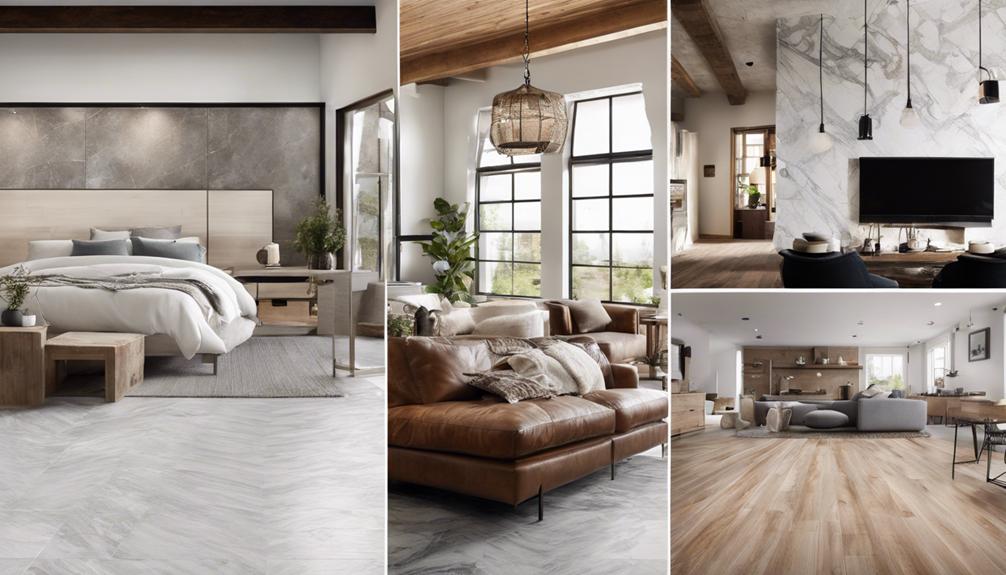
Understanding the importance of selecting the right flooring for each room is essential to creating a harmonious and functional living space. From the comfort of our bedrooms to the bustle of our kitchens, every room has unique demands and requirements. For instance, hardwood flooring is a top pick for living rooms and dining rooms, while ceramic or porcelain tiles are ideal for kitchens and bathrooms. Meanwhile, bedrooms and home offices call for softer, warmer options like carpet or cork. And for areas prone to moisture, like basements, we require flooring that can withstand the elements. Let's dive deeper into the best flooring options for every room in our homes.
Living Room Flooring Essentials
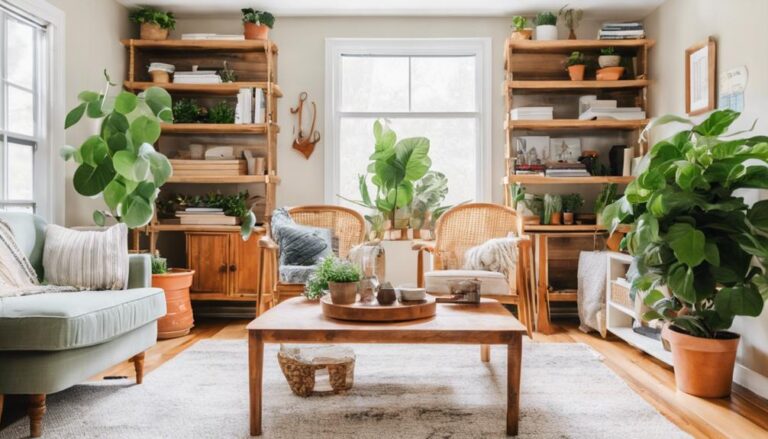
When choosing the perfect flooring for our living room, we consider factors like durability, comfort, and style to create a cozy and inviting atmosphere. We want our living room to be a warm and welcoming space where we can relax and connect with family and friends. To achieve this, we look for flooring that's not only aesthetically pleasing but also meets our practical needs.
For us, hardwood flooring is a top contender. We love the timeless charm and warmth it brings to our living room. Plus, it's incredibly durable and can withstand heavy foot traffic. We're also fans of engineered wood flooring, which offers a more affordable and eco-friendly alternative to solid hardwood. And let's not forget about the style factor – hardwood flooring comes in a range of species and stains, so we can easily find a look that fits our unique taste.
Of course, we also consider other options like laminate, tile, and carpet. Each has its pros and cons, and we weigh these carefully before making a decision. Ultimately, the perfect flooring for our living room is one that balances form and function, creating a space that's both beautiful and comfortable. By considering our needs and priorities, we can find the ideal flooring solution that makes our living room a true haven.
Kitchen Flooring for Busy Spaces
When we're designing our kitchen, we want flooring that can keep up with the hustle and bustle of daily life. We need materials that can withstand spills, scratches, and heavy foot traffic. That's why we're focusing on durable, moisture-resistant, and easy-to-clean flooring options that'll make our busy kitchen a joy to be in.
Durable Material Options
We need kitchen flooring that can withstand the heavy foot traffic, spills, and messes that come with busy meal prep and family gatherings, which is why durable material options are a must. We're not just talking about aesthetics; we're talking about functionality and practicality. When it comes to durable flooring, we have a few top picks. Ceramic or porcelain tiles are excellent choices, as they're resistant to scratches, cracks, and fading. Plus, they're easy to clean and maintain. Natural stone options like granite, slate, or quartzite are also great options, offering a luxurious look and unparalleled durability. If you're looking for something a bit more budget-friendly, laminate or engineered hardwood flooring can provide a similar look to natural wood without the hefty price tag. Whatever material we choose, we want it to be able to keep up with our busy kitchen lifestyle. With durable flooring, we can focus on what really matters – cooking up a storm and making memories with our loved ones.
Moisture-Resistant Designs
As kitchen flooring takes a beating from spills, splatters, and messy cleanups, it's essential to prioritize moisture-resistant designs that can withstand the humidity and chaos of our busy kitchen spaces. We need flooring that can keep up with our active lifestyles, and that means choosing materials that won't buckle under the pressure of moisture and heavy foot traffic.
When it comes to moisture-resistant designs, we're big fans of ceramic or porcelain tile. These options are not only stylish but also incredibly durable, making them perfect for our high-traffic kitchens. Plus, they're easy to install and maintain, which is a major bonus for busy homeowners like us. Another great option is luxury vinyl tile (LVT), which mimics the look of natural stone but is much more practical for kitchens. It's waterproof, scratch-resistant, and comfortable underfoot – what more could we ask for? By opting for moisture-resistant designs, we can enjoy our kitchens without worrying about the wear and tear of daily life.
Easy Cleaning Solutions
With messy kitchens being a norm in our busy lives, let's opt for flooring that makes cleaning a breeze, so we can focus on more important things than scrubbing away at stubborn stains. We've all been there – spills, crumbs, and splatters galore – it's exhausting just thinking about it. That's why we need flooring that's not only durable but also easy to clean.
For our busy kitchens, we recommend ceramic or porcelain tiles, luxury vinyl tiles (LVT), or sheet vinyl. These options are resistant to stains, scratches, and water damage, making cleaning a walk in the park. Plus, they're durable enough to withstand heavy foot traffic and spills. With these flooring options, we can simply sweep, mop, and go! No more hours spent on hands-and-knees scrubbing. We deserve better, don't we? By choosing easy-to-clean flooring, we can reclaim our weekends and focus on what truly matters – cooking up a storm, sharing meals with loved ones, and making memories in our happy place: the kitchen.
Bathroom Flooring for Wet Areas
As we move into the bathroom, we're focusing on flooring options that can withstand the wettest of conditions. We're looking for slip-resistant floor options that will keep us safe from slips and falls, and waterproof flooring materials that won't be damaged by excess moisture. In this space, it's essential that we choose flooring that can handle the humidity and water exposure.
Slip-Resistant Floor Options
We need slip-resistant floor options in bathrooms to prevent accidents, especially in areas around sinks, showers, and bathtubs where water and soap can make floors extremely slippery. It's essential to prioritize safety in these areas, as falls can be devastating, especially for seniors and young children. One effective way to achieve slip-resistance is through textured flooring materials, such as matte-finish ceramic tiles or natural stone with a honed finish. These options provide traction, reducing the likelihood of slips and falls.
We also recommend considering flooring with built-in slip-resistant coatings or applying a non-slip treatment to existing floors. These coatings create a textured surface, giving us extra grip underfoot. Additionally, we can opt for flooring with inherent slip-resistance, such as rubber flooring or cork, which provide natural traction. By choosing slip-resistant floor options, we can create a safer, more comfortable bathroom environment for ourselves and our loved ones. It's a small but significant step towards creating a home that's both beautiful and safe.
Waterproof Flooring Materials
In bathrooms, where water and humidity reign supreme, we need flooring materials that can withstand the constant moisture and prevent water damage. We want our bathrooms to be a haven, not a headache, and that starts with the right flooring. That’s why we’re exploring the best waterproof flooring materials for our bathrooms. From durable vinyl and waterproof laminate to classic porcelain tile, there are plenty of options that combine style and function. Choosing the right material not only protects against moisture but also enhances the overall design, making it easier to achieve affordable spalike bathroom ideas. With the right flooring, you can create a beautiful and worry-free space that feels like a personal retreat.
Here are some top contenders:
| Material | Durability | Aesthetics |
|---|---|---|
| Ceramic Tile | High | Versatile, stylish |
| Luxury Vinyl Tile (LVT) | High | Realistic patterns, easy install |
| Natural Stone (e.g., Marble) | Medium | Elegant, sophisticated |
| Porcelain Tile | High | Durable, resistant to stains |
| Waterproof Laminate | Medium | Affordable, realistic patterns |
These materials are designed to keep water at bay, ensuring our bathrooms stay safe, functional, and beautiful. Whether we're going for sleek and modern or traditional and elegant, there's a waterproof flooring material that fits our style. By choosing the right one, we can enjoy our bathrooms without worrying about water damage or maintenance hassles.
Bedroom Flooring for Comfort
Our bedroom floors should provide a comfortable retreat from the outside world, which is why choosing the right flooring for this intimate space is essential. We want to create a cozy atmosphere where we can relax and recharge. When it comes to bedroom flooring, comfort is key. We're not just looking for a stylish option, but one that will provide warmth and softness underfoot.
For this reason, we often opt for flooring materials that exude warmth and coziness. Hardwood flooring, such as oak or walnut, can add a touch of sophistication to the bedroom while providing a soft, natural feel. Alternatively, plush carpeting in a soft, muted color can create a calming atmosphere. We've also seen a rise in popularity of luxury vinyl tile (LVT) or engineered wood flooring, which offer a comfortable and practical solution for bedroom flooring.
When selecting bedroom flooring, we should also consider the level of noise reduction. After all, we want to create a peaceful oasis, free from outside distractions. Sound-absorbing materials like cork or rubber can help minimize noise and create a more serene environment. Ultimately, our bedroom flooring should be a reflection of our personal style and comfort needs. By choosing the right flooring, we can create a haven that's both beautiful and restful.
Hallway and Staircase Flooring Ideas
As we move from the bedroom to the rest of the house, hallway and staircase flooring takes center stage, requiring a delicate balance between aesthetics and functionality. We're not just talking about a utilitarian pathway; we're creating a sense of welcome and flow that sets the tone for the entire home. For high-traffic areas like hallways and staircases, durability is key. We recommend hardwood flooring, such as oak or maple, which can withstand scratches and scuffs while maintaining its beauty.
In terms of style, we love the timeless look of traditional hardwood, but we also appreciate the versatility of engineered wood or laminate options. These alternatives offer a similar aesthetic at a lower cost and with easier installation. Plus, they're more resistant to humidity and temperature changes, making them ideal for areas prone to moisture or heavy foot traffic.
When it comes to staircase flooring, we often opt for a continuation of the hallway flooring to create a sense of cohesion. However, if you want to add some visual interest, a contrasting material or pattern can create a stunning focal point. Ultimately, the right flooring choice will depend on your personal style, lifestyle, and the overall vibe you want to create in your home. By considering both form and function, we can create a beautiful, functional, and inviting space that makes us feel right at home.
Home Office Flooring for Productivity
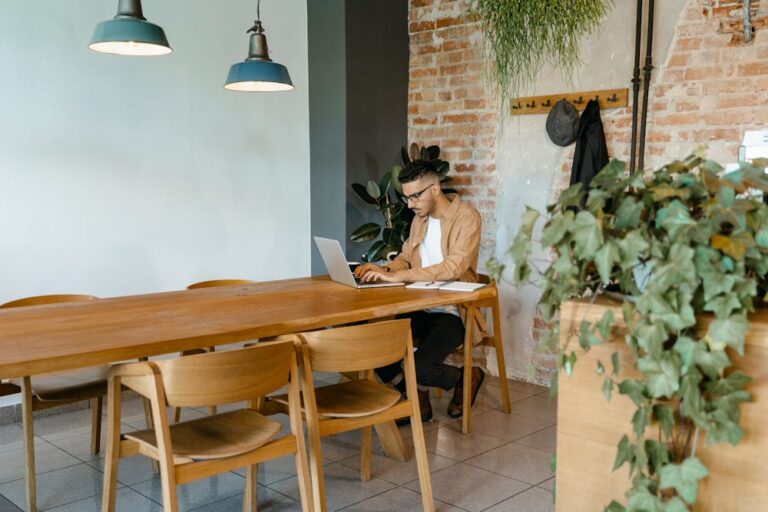
We're transforming our home office into a productivity hub, and the right flooring plays a significant role in fostering focus and creativity. After all, who doesn't want to stay motivated and inspired while working from home? As we design our ideal workspace, we're considering flooring options that promote comfort, reduce distractions, and boost our mood.
Here's what we're envisioning:
- A warm, plush carpet underfoot, softening the sound of footsteps and creating a cozy atmosphere that invites us to linger over a challenging project.
- A sleek, polished hardwood floor that reflects the morning light, energizing our space and stimulating our minds.
- A vibrant, patterned area rug that adds a pop of color and personality to our workspace, breaking the monotony of a long workday.
Dining Room Flooring for Entertaining
Now that we've optimized our home office for productivity, it's time to shift our attention to the heart of our home, where memories are made and special occasions are celebrated – the dining room. When it comes to choosing the perfect flooring for this space, we want something that's both stylish and durable. After all, this is where we'll be hosting family gatherings, holiday feasts, and cozy dinner parties with friends.
For a dining room that's both elegant and inviting, we recommend considering hardwood flooring. Not only does it add a touch of sophistication, but it's also easy to clean and maintain. Plus, it can withstand the wear and tear of frequent gatherings and celebrations. If you're looking for a more budget-friendly option, engineered wood or laminate flooring can provide a similar look without breaking the bank.
If you're worried about spills and stains, don't be – many hardwood and engineered wood floors come with durable finishes that can withstand the occasional red wine spill or dropped dish. And if you're concerned about the noise level, consider adding area rugs or a statement piece of furniture to help absorb sound. Whatever your style or budget, there's a dining room flooring option out there that's sure to make your gatherings unforgettable.
Basement Flooring for Moisture-Prone Areas
We head to the basement, a space notorious for its moisture issues, where selecting the appropriate flooring is essential to prevent water damage and create a comfortable atmosphere. When it comes to basement flooring, we need to prioritize durability, water resistance, and ease of maintenance.
To create a cozy retreat, we want to imagine ourselves surrounded by:
- Warm, soft lighting that illuminates the space
- Plush area rugs that add texture and color
- Comfortable seating areas for relaxation and entertainment
When choosing the perfect flooring for our basement, we should consider the following options:
- Ceramic or porcelain tiles, which are impervious to water and easy to clean
- Luxury vinyl tiles (LVT) or luxury vinyl planks (LVP), which mimic natural stone or wood and are highly resistant to moisture
- Rubber flooring, which provides a soft, cushioned surface and is slip-resistant
Frequently Asked Questions
Can I Install Flooring Myself or Do I Need a Professional?
Funny thing, we were just discussing this with our friends over brunch last weekend – can we really handle flooring installation on our own or do we need a pro? Honestly, it depends on our level of DIY expertise and the type of flooring we're dealing with. If we're comfortable with measuring, cutting, and laying, we can give it a shot. But if we're not confident, it's best to call in a professional to avoid costly mistakes and guarantee a flawless finish.
How Do I Clean and Maintain My New Flooring?
We're thrilled to finally have our new flooring installed, and now we're wondering how to keep it looking its best. Cleaning and maintaining our new floors is vital to their longevity and appearance. We'll start by sweeping or vacuuming regularly to remove dirt and debris. Then, we'll mop with a gentle cleaner and dry thoroughly to prevent water spots. By following these simple steps, we'll be able to enjoy our beautiful floors for years to come.
Are There Any Eco-Friendly Flooring Options Available?
We're killing two birds with one stone by opting for eco-friendly flooring options, which not only help the planet but also give us peace of mind. Luckily, there are plenty of sustainable choices available. Bamboo flooring is a popular choice, being highly renewable and durable. Reclaimed wood is another great option, reducing waste and adding a touch of history to our homes.
Can I Install Flooring Over Existing Flooring?
'We're excited to explore this question! Can we install flooring over existing flooring? The short answer is, it depends. If the existing floor is level, stable, and in good condition, we can definitely consider installing new flooring on top. However, if it's damaged, uneven, or has moisture issues, it's best to start from scratch. We'll need to assess the situation before making a decision.'
How Long Does It Take to Install New Flooring?
As we set out on this flooring journey, we're like explorers traversing uncharted terrain, wondering how long the path to new floors will take. The answer lies in the complexity of the project. On average, it takes around 1-3 days to install new flooring in a single room, depending on the type and size of the space. But don't worry, we're in this together, and with a clear plan, we'll reach our destination in no time!