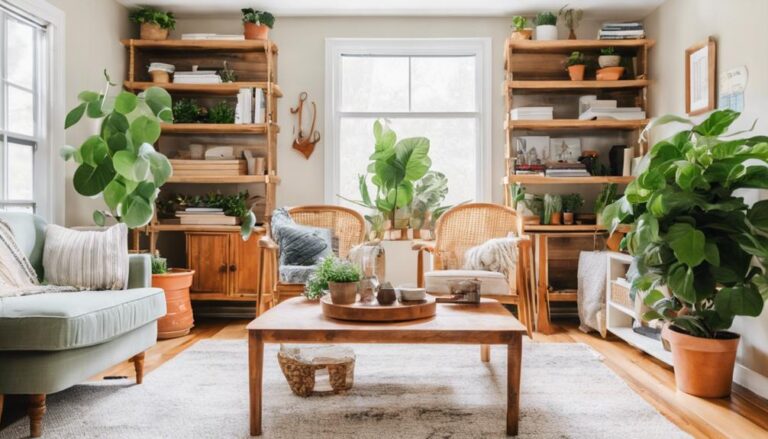
We're already producing over 2 million tons of waste daily, and it's clear that adopting sustainable living practices at home is no longer a choice, but a responsibility. We can start by making simple swaps, like switching to energy-efficient bulbs and reusable cloths. We can reduce our reliance on single-use plastics, recycle properly, and reuse items to decrease waste. By implementing these habits, we can reduce our environmental footprint and feel a sense of pride in our efforts. As we continue on this journey, we'll uncover even more ways to make a positive impact on the planet, one small change at a time.
Simple Swaps for a Greener Home
By swapping out a few everyday essentials, we can noticeably reduce our environmental footprint and make our homes a greener, healthier haven. It's amazing how these simple changes can add up to make a meaningful difference. We're not talking about overhauling our entire lifestyle, but rather making conscious choices that benefit the planet and our well-being.
Let's start with the basics. We can replace traditional light bulbs with energy-efficient LED bulbs, which use considerably less energy and last longer. We can also ditch paper towels for reusable cloths, reducing our paper waste and the energy needed to produce new paper products. Another easy swap is trading in our chemical-laden cleaning products for eco-friendly alternatives. Not only are these better for the environment, but they're also gentler on our skin and the air we breathe.
We can also make a positive impact by switching to refillable water bottles and coffee cups. Single-use plastics are a major contributor to pollution, and by opting for reusable containers, we can significantly reduce our waste. These small changes might seem insignificant on their own, but collectively, they can make a real difference. By working together, we can create a ripple effect that inspires others to join us in our pursuit of a greener, healthier home.
Reduce Reuse Recycle at Home
We take an important step towards minimizing waste by adopting the simple yet powerful mantra of reducing, reusing, and recycling in our daily lives. By incorporating these practices into our daily routines, we can greatly decrease the amount of waste that ends up in landfills and oceans. It's astonishing how much of an impact these small changes can have when we work together towards a common goal.
Here are just a few ways we can make a difference:
- *We decrease* our consumption of single-use plastics, like straws, bags, and water bottles, and instead opt for reusable alternatives.
- We reuse items like containers, bags, and bottles whenever possible, getting creative with ways to repurpose them.
- We recycle as much as possible, making sure to rinse and sort our recyclables properly.
- We avoid buying products with excessive packaging, choosing instead to support companies that prioritize sustainability.
- We get crafty, finding new uses for items we might have otherwise thrown away, and inspiring others to do the same.
Efficient Water Usage Tips
As we endeavor to live more sustainably, it's essential that we prioritize efficient water usage in our daily lives. We're all guilty of wasting water at some point or another, but it's time to take control and make a change. One simple way to start is by fixing those pesky leaks. A single dripping faucet can waste up to 20 gallons of water per day! By tightening loose faucet handles and replacing worn-out washers, we can save a substantial amount of water.
Another easy trick is to take shorter showers. We're not saying you need to rush through your morning routine, but try to keep your showers under five minutes. Every minute counts, and those extra seconds can add up to make a big difference. We can also install low-flow showerheads, which use much less water while still providing a satisfying shower experience.
In the kitchen, we can make a big impact by using a water-efficient dishwasher and turning off the tap while washing dishes by hand. And let's not forget about our outdoor water usage. We can install rain barrels to collect rainwater for watering plants and washing cars, reducing our reliance on potable water.
Eat Sustainably on a Budget
Eating sustainably doesn't have to break the bank; in fact, it can be quite cost-effective with a few simple tweaks to our daily habits. We've learned that making a few conscious choices in our food habits can have a significant impact on the environment, and our wallets.
Here are some changes we've made to eat more sustainably on a budget:
- Buy in bulk: Purchasing grains, nuts, and dried fruits in bulk reduces packaging waste and saves us money in the long run.
- Plan our meals: Cooking at home and planning our meals in advance reduces food waste and helps us avoid last-minute takeout trips.
- Shop local and seasonal: Buying produce from local farmers' markets or through community-supported agriculture (CSA) programs supports the local economy and reduces transportation emissions.
- Use up leftovers: We've started to view leftovers as a challenge to get creative with new recipes, reducing food waste and saving us money.
- Avoid single-use plastics: We've ditched single-use water bottles, straws, and bags, opting for reusable alternatives instead.
DIY Cleaning Products for Less
By making our own cleaning products, we're slashing our household expenses and reducing our environmental footprint, all while keeping our homes sparkling clean. It's a triple win! With just a few simple ingredients, we can whip up effective and eco-friendly cleaning solutions that rival their store-bought counterparts. Plus, we get to customize our cleaning products to our specific needs and preferences.
We've found that a mixture of baking soda, vinegar, and lemon juice can tackle even the toughest messes. And the best part? These ingredients are likely already in our pantry, eliminating the need for a special trip to the store. We're also reducing our reliance on harsh chemicals, which can harm our health and the environment.
Bringing Nature Indoors Safely
We're not only cleaning our homes more sustainably, but we're also inviting the natural world in, and safely bringing the outdoors into our living spaces. This doesn't just mean adding some plants to our shelves; it's about creating a harmonious balance between our indoor and outdoor environments. By doing so, we're not only improving our air quality and overall well-being, but we're also cultivating a deeper connection with nature.
Here are some simple yet impactful ways we're bringing the outdoors in:
- Purifying plants: From peace lilies to spider plants, we're choosing air-purifying plants that not only freshen up our air but also add a touch of greenery to our spaces.
- Natural textiles: We're swapping out synthetic fabrics for natural textiles like cotton, linen, and hemp, which not only feel better against our skin but also support sustainable agriculture.
- Earth-inspired decor: We're incorporating natural elements like reclaimed wood, river rocks, and pampas grass into our decor, bringing the outdoors in and creating a sense of continuity between our indoor and outdoor spaces.
- Nature-inspired colors: We're drawing inspiration from the natural world when it comes to our color palette, opting for earthy tones and soft pastels that evoke feelings of serenity and calm.
- Mindful window placement: We're positioning our furniture to take full advantage of natural light, reducing the need for artificial lighting and creating a sense of connection to the outdoors.
Energy Saving Hacks at Home
As we work towards making our homes more sustainable, we're finding simple yet effective ways to slash our energy consumption, from switching to energy-efficient light bulbs to optimizing our appliances' performance. By making these small changes, we're not only reducing our carbon footprint but also saving money on our energy bills.
One of the easiest ways to start is by identifying energy-hungry appliances and replacing them with energy-efficient alternatives. Here are some energy-saving hacks to get us started:
| Energy-Saving Hack | Estimated Energy Savings |
|---|---|
| Replace traditional incandescent bulbs with LEDs | Up to 80% |
| Unplug appliances when not in use | Up to 10% |
| Upgrade to an energy-efficient refrigerator | Up to 40% |
By implementing these simple hacks, we can significantly cut down on our energy consumption and make our homes more sustainable. It's amazing how these small changes can add up to make a big impact. Plus, with the money we save on energy bills, we can invest in even more sustainable upgrades for our homes.
As we continue on this journey to sustainable living, we're excited to explore more ways to reduce our energy consumption and make a positive impact on the environment.
The Power of Upcycling Old
As we continue our journey towards sustainable living, we're excited to explore the world of upcycling, where we can breathe new life into old, discarded items. By getting creative with reuse ideas, we can reduce waste and give our homes a unique, eco-friendly touch. By embracing upcycling, we can transform trash into treasures that not only benefit the environment but also reflect our personal style.
Breathing New Life
By repurposing old items, we can inject new life into our homes while reducing waste and embracing a more sustainable lifestyle. It's amazing how a fresh coat of paint, some TLC, and a dash of creativity can transform discarded treasures into unique pieces that tell a story. As we breathe new life into these old items, we're not only reducing waste but also preserving memories and creating a sense of connection to our past.
Here are some of the emotional benefits we experience when we upcycle:
- We feel a sense of accomplishment and pride in giving old items a new purpose
- We connect with our past and preserve memories associated with the item
- We reduce waste and contribute to a more sustainable future
- We develop a sense of creativity and resourcefulness
- We create a sense of community by sharing our upcycling experiences with others
Creative Reuse Ideas
We've all stumbled upon old items collecting dust in our attics or basements, but with a little creativity, we can transform them into functional pieces that add character to our homes. Take an old ladder, for instance. We can refinish it and turn it into a unique bookshelf or room divider. Or, we can repurpose an old window into a beautiful mirror or a decorative wall hanging. The possibilities are endless, and it's amazing how a fresh coat of paint and some TLC can breathe new life into forgotten items.
We're not just reducing waste by upcycling; we're also creating one-of-a-kind pieces that reflect our personalities. And, let's be honest, there's a sense of pride and accomplishment that comes with giving new life to something that was once destined for the landfill. By embracing creative reuse, we're not only doing our part for the planet, but we're also weaving a narrative of sustainability and resourcefulness into the fabric of our daily lives. So, the next time we're tempted to toss something, let's take a step back and think outside the box (or attic, or basement…). Who knows what hidden treasures we might uncover?
Creating a Waste-Free Kitchen
As we work towards creating a waste-free kitchen, we're taking a closer look at the areas where we can make the most impact. We're focusing on stocking our pantries with zero-waste essentials and finding ways to reduce food waste, because we understand that these small changes can add up to make a big difference. By making these conscious choices, we're taking an essential step towards a more sustainable future.
Zero-Waste Pantry Essentials
We're swapping traditional pantry staples for eco-friendly alternatives that minimize waste and maximize our kitchen's sustainability. It's time to rethink the way we stock our shelves and make a conscious effort to reduce our environmental footprint. By choosing sustainable pantry essentials, we can greatly decrease the amount of waste generated in our kitchens.
Here are some game-changing swaps we're making:
- Reusable containers: Ditching single-use plastics for durable, eco-friendly containers that keep our food fresh and our planet happy.
- Bulk bin staples: Buying in bulk reduces packaging waste and saves us money. Win-win!
- Beeswax wraps: A natural, reusable alternative to plastic wrap for covering bowls and snacks.
- Compostable bags: Making the switch to certified compostable bags for storing food waste and pet waste.
- Eco-friendly cleaning products: Opting for natural, non-toxic cleaning products that are gentle on our kitchens and the environment.
Reduce Food Waste Now
Nearly 40% of food in the United States goes uneaten, which is why we're tackling the issue of food waste head-on in our kitchens. We're taking control of our food choices and reducing waste by implementing simple yet effective strategies. Here's how we're doing it:
| Food Waste Culprits | Waste-Reducing Tips | Benefits |
|---|---|---|
| Expired or spoiled food | Use the "first in, first out" rule | Saves money, reduces waste |
| Leftovers | Plan meals, freeze leftovers | Reduces food waste, saves time |
| Bulk purchases | Store properly, use before expiration | Saves money, reduces waste |
| Unplanned meals | Meal prep, use up ingredients | Reduces food waste, saves time |
Small Changes for Big Impact
By incorporating a few simple habits into our daily routines, we can greatly reduce our environmental footprint. It's not about making drastic changes, but rather about adopting small habits that, over time, can add up to make a significant difference. We don't have to be perfect, and every little bit counts.
Here are some small changes we can make to have a big impact:
- Turn off those lights! Leaving lights on when not in use is a huge waste of energy. Make it a habit to turn them off when we leave the room.
- Ditch the plastic water bottles and switch to refillable ones. It's a simple change that can save millions of plastic bottles from ending up in our oceans and landfills.
- Use public transportation or walk/bike when possible. It's a great way to reduce air pollution and get some exercise too!
- Use eco-friendly cleaning products that are free from harsh chemicals. Our health and the planet will thank us.
- Compost our food waste and turn it into nutrient-rich soil for our gardens. It's a win-win for our planet and our wallets!
These small changes might seem insignificant on their own, but collectively, they can make a significant impact. By working together, we can create a ripple effect of positive change that benefits our planet and our communities.
Frequently Asked Questions
How Can I Convince My Family to Adopt Sustainable Habits?
We're all in this together! When trying to convince our family to adopt sustainable habits, we've found it's essential to lead by example. We start by making small changes, like switching to energy-efficient light bulbs or using reusable bags. Then, we explain the why behind our actions, sharing how these habits benefit our health, wallet, and the planet. By making it a team effort, we create a sense of ownership and responsibility, encouraging our loved ones to join in.
What Are Some Eco-Friendly Alternatives to Traditional Candles?
We're excited to ditch traditional candles for eco-friendly alternatives! Instead of paraffin wax candles, we opt for soy wax or beeswax candles, which are biodegradable and non-toxic. We also love LED candles that use energy-efficient lights, or try making our own candles from natural ingredients like coconut oil or essential oils. It's amazing how a small switch can make a big impact on the planet!
Can I Compost if I Don't Have a Backyard?
"A million tiny environmentalist voices in our heads scream 'compost!' – but what if we don't have a backyard to call our own? Fear not, fellow eco-warriors! We can still compost, even without a yard. We can use indoor composting bins, vermicomposting (worm composting), or even community composting programs. We're not limited by space; we're empowered by creativity and a willingness to make a difference."
How Do I Properly Dispose of Old Batteries and Electronics?
We're glad we asked about properly disposing of old batteries and electronics! It's essential to keep toxic materials out of landfills and prevent harm to the environment. We recycle them at designated facilities or participating retailers, like Best Buy or Home Depot, which offer drop-off programs. We also responsibly dispose of batteries at local recycling centers or by using mail-in recycling kits. Every small step counts!
Are Reusable Bags Really More Environmentally Friendly Than Plastic Bags?
We're cutting to the chase: are reusable bags really more environmentally friendly than plastic bags? The answer isn't as black and white as we thought. While reusable bags reduce litter and waste, they often require more resources to produce and have a higher carbon footprint than their plastic counterparts. It's a catch-22, but we're not throwing in the towel just yet.