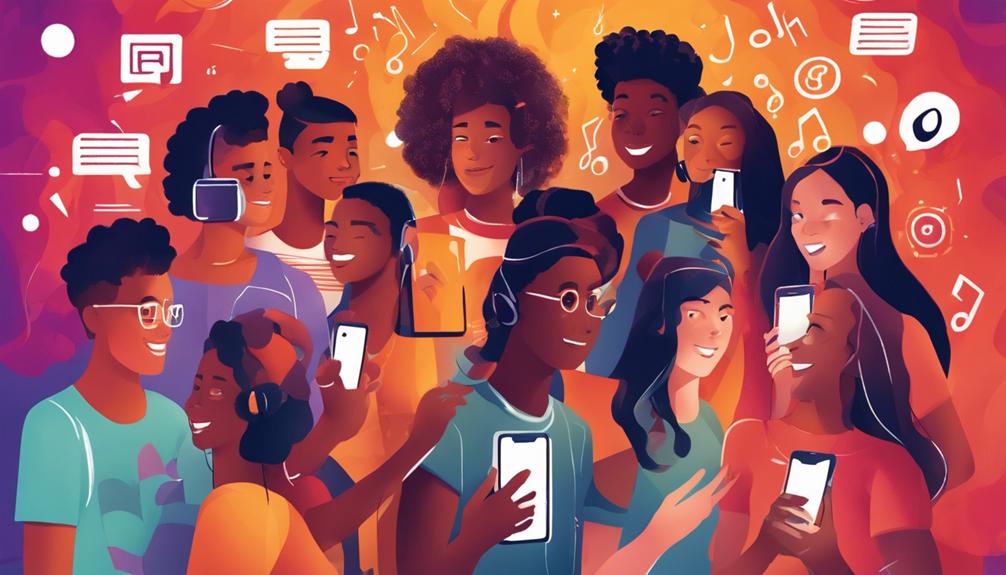
We're embarking on a mission to create content that truly resonates with Gen Z. As a generation that's grown up online, they crave authenticity, transparency, and sustainability. Their eyes are glued to visually engaging content, and they're not afraid to call out brands that don't align with their values. We need to speak their language, using clear and concise communication that respects their intelligence. As we explore the world of Gen Z, we'll uncover the secrets to creating content that really connects – and we're just getting started.
Understanding Gen Z's Online Behavior
As we explore the world of Gen Z, it's important to recognize that they spend a significant chunk of their lives online, with the average teenager spending around 7 hours and 22 minutes on their phones daily. This staggering figure shouldn't surprise us, given the integral role the internet plays in their social, educational, and entertainment experiences.
We must acknowledge that Gen Z's online behavior is shaped by their unique preferences and needs. They're digital natives, having grown up with the internet and social media, so they're highly skilled at maneuvering online platforms. We've noticed that they're drawn to visually engaging content, often preferring videos and images over lengthy texts. Additionally, they're avid users of social media, with 70% of online teens between 13 and 17 using the platforms to connect with others.
It's also essential that we recognize Gen Z's online habits are closely tied to their desire for community and social interaction. They frequently use online platforms to communicate with friends, share experiences, and stay updated on current events. As we work to develop content that resonates with this generation, understanding their online behavior is important. By doing so, we can create content that's tailored to their preferences, engaging their attention and fostering meaningful connections.
Authenticity Matters to Gen Z
Seventy-five percent of Gen Zers believe that authenticity is an essential factor in their decision to engage with a brand, suggesting that genuine, transparent content is imperative to resonating with this demographic. We've learned that Gen Z values honesty and transparency in the content they consume. As creators, it's vital we prioritize authenticity in our messaging to build trust and credibility with this audience.
To achieve this, we must create content that is:
| Authenticity Factors | Why it Matters | How to Achieve |
|---|---|---|
| Transparency | Gen Z wants to know what's behind the curtain | Be open about your brand's values and mission |
| Relatability | Gen Z wants to see themselves in your content | Use real-life examples and user-generated content |
| Consistency | Gen Z wants to trust your brand's voice | Establish a consistent tone and aesthetic |
Creating Content for Visual Learners
We're visual creatures, and Gen Z is no exception, with 67% of them considering themselves visual learners. This means that when it comes to creating content that resonates with them, we need to prioritize visuals. We're not just talking about throwing some random images into a blog post or social media post, though. We're talking about creating a visual narrative that tells a story, evokes emotions, and communicates our message in a way that's easy to understand.
When we create content for visual learners, we need to think about the types of visuals that will resonate with Gen Z. This might include infographics, videos, memes, and other visual content that's easy to consume and share. We should also consider using high-quality images that are relevant to our message and help to break up large blocks of text.
But it's not just about the type of visuals we use – it's also about how we use them. We should aim to create a visual hierarchy that guides the viewer's eye through our content, making it easy for them to quickly scan and understand our message. By doing so, we can increase engagement, improve comprehension, and ultimately, drive more conversions. So, let's get creative and start crafting visual content that speaks to Gen Z's love of visual learning!
The Power of User-Generated Content
By leveraging user-generated content, we can tap into the creative potential of Gen Z themselves, who are enthusiastic to share their own stories, opinions, and experiences with the world. This approach not only provides a platform for self-expression but also helps build trust and credibility with our target audience. When we empower Gen Z to create content, we're essentially giving them a voice, and they're more likely to engage with and share content that resonates with them.
| Benefits of UGC | Why it Matters to Gen Z |
|---|---|
| Authenticity | Gen Z values realness and honesty, and UGC provides an unfiltered look into others' experiences. |
| Community Building | UGC fosters a sense of belonging, allowing Gen Z to connect with like-minded individuals. |
| Self-Expression | By sharing their own content, Gen Z can express themselves freely and showcase their creativity. |
Sustainability in Marketing Matters
As we explore the world of marketing that resonates with Gen Z, we've come to realize that sustainability is no longer a nice-to-have, but a must-have. We're seeing a shift towards eco-friendly branding that genuinely prioritizes the planet over profit. As we navigate this new landscape, it's important that we separate the genuine sustainability efforts from greenwashing, which can be a major credibility killer.
Eco-Friendly Branding Matters
Today, nearly 75% of Gen Z consumers say they are dedicated to buying from a brand that shares their values, especially in terms of sustainability. As we endeavor to create content that resonates with this demographic, we must acknowledge the importance of eco-friendly branding. We're not just talking about slapping a 'green' label on our products; we're talking about genuinely committing to environmentally responsible practices throughout our entire business model.
We've seen it time and time again: brands that prioritize sustainability gain the trust and loyalty of Gen Z consumers. When we make eco-friendliness a core part of our brand identity, we're not just doing the planet a favor – we're also doing our business a favor. By being transparent about our sustainable practices, we build trust with our audience and set ourselves apart from competitors. It's time to get creative with our eco-friendly branding strategies and show Gen Z that we are dedicated to making a positive impact on the planet. By doing so, we'll not only attract a loyal customer base but also contribute to a more sustainable future.
Planet Over Profit Mindset
We're witnessing a seismic shift in consumer expectations, where the pursuit of profit is no longer the sole driving force behind marketing strategies, and a 'planet over profit' mindset is taking center stage. This shift is driven largely by Generation Z, who are acutely aware of the environmental and social implications of their purchasing decisions. As a result, we're seeing a growing demand for sustainable and eco-friendly practices in business.
We're recognizing that our actions have consequences, and it's no longer enough to simply tout eco-friendly credentials. We need to walk the talk, and that means making tangible changes to our business operations and supply chains. This might mean investing in renewable energy, reducing waste, or sourcing materials locally. Whatever the approach, it's clear that a genuine commitment to sustainability is no longer a nice-to-have, but a must-have for brands looking to resonate with Gen Z.
Greenwashing Hurts Credibility
We've all seen it before: companies touting their eco-friendly credentials without actually making meaningful changes to their operations, a practice that's not only misleading but also damaging to their credibility. This phenomenon is known as greenwashing, and it's a major turnoff for Generation Z. We're not fooled by empty promises and superficial eco-claims. We want to see real action, transparency, and accountability.
When companies engage in greenwashing, they risk losing our trust and loyalty. We're savvy enough to fact-check and research, and when we discover inconsistencies, we're quick to call them out. It's not just about making a good first impression; it's about following through on those commitments. We want to see tangible evidence of sustainable practices, supply chain transparency, and environmentally responsible operations.
In an era where climate change and social responsibility are top of mind, authenticity is key. We can spot a fake from a mile away. So, let's keep it real, folks. If you're going to claim to be eco-friendly, back it up with substance. We're watching, and we won't hesitate to hold you accountable.
Ditch the Jargon and Be Clear
As we create content for Gen Z, we need to remember that they're not impressed by fancy vocabulary or overly complex ideas. We're better off using simple language that gets our point across quickly and efficiently. By doing so, we'll be more likely to capture their attention and communicate our message in a way that resonates with them.
Simple Language Rules
Most of us can recall instances where overly complex language has left us feeling confused or even intimidated. It's frustrating when we're trying to understand a concept, but the language used is so convoluted that it's like trying to decipher a secret code. As content creators, we must remember that our goal is to communicate effectively, not to show off our vocabulary.
We need to ditch the jargon and simplify our language. This doesn't mean dumbing down the content, but rather presenting it in a clear and concise manner. When we use simple language, we're not only helping our audience understand the message better, but we're also showing respect for their time and intelligence.
Clear Messaging Matters
Here's the output:
Embracing Diversity and Inclusion
We acknowledge that Generation Z values diversity and inclusion, expecting brands to promote and celebrate individuality in their content. As we aim to create content that resonates with this generation, it's crucial we prioritize diversity and inclusion in our messaging. This means showcasing a range of identities, experiences, and perspectives that reflect the complexity of the world we live in.
We understand that authenticity is key. We can't simply tokenizing or stereotypically represent marginalized groups; instead, we must thoughtfully and accurately depict diverse voices and experiences. This requires us to listen, learn, and collaborate with people from diverse backgrounds to make sure our content is respectful and relatable.
Gen Z's Expectations for Brands
What do we expect from brands regarding values, transparency, and accountability, and how can they deliver on these expectations to earn our loyalty and trust? As members of Gen Z, we're not just looking for products or services; we're seeking brands that share our values and prioritize social responsibility. We expect brands to be transparent about their practices, sourcing, and impact on the environment. We also expect them to be accountable for their actions and take responsibility when they've made mistakes.
Here are some key expectations we have from brands:
- Authenticity: We want brands to be genuine and true to their values, without trying to fake it or manipulate us.
- Sustainability: We expect brands to prioritize the environment and take steps to reduce their carbon footprint.
- Inclusivity: We want brands to celebrate diversity and promote inclusivity in their marketing, products, and services.
- Transparency: We expect brands to be open and honest about their business practices, sourcing, and supply chains.
Measuring Success With Gen Z
As we evaluate our relationships with brands, we're looking for tangible proof that they're living up to their promises. We're not easily swayed by flashy advertising or empty claims. We want to see real results, and we're willing to do our research to find them.
When it comes to measuring success with Gen Z, it's vital to focus on metrics that matter to us. We're not impressed by vanity metrics like followers or likes. Instead, we want to see engagement, conversions, and tangible impact. Did your campaign drive real change or sales? Did it spark meaningful conversations or drive awareness about important issues? Those are the metrics that resonate with us.
It's also essential to recognize that our attention span is short, and we're constantly bombarded with information. So, brands need to be nimble and adapt quickly to changing trends and preferences. We expect transparency, authenticity, and a willingness to listen and evolve. If a brand can't demonstrate a clear understanding of our values and concerns, we're quick to lose interest.
Ultimately, measuring success with Gen Z requires a deep understanding of what we care about and what drives us. It's not just about selling us something; it's about building a meaningful connection that adds value to our lives. By focusing on the metrics that matter and being willing to adapt and evolve, brands can build trust and loyalty with our generation.
Frequently Asked Questions
How Do We Balance Brand Messaging With Individuality and Creativity?
We’re between a rock and a hard place when it comes to balancing brand messaging with individuality and creativity. We need to find a way to make our brand voice shine while still giving our creators the freedom to express themselves. If we’re too rigid, we’ll stifle innovation, but if we’re too lax, our message gets lost. We’re working to strike a balance that lets our brand identity shine through without suffocating our creators’ unique perspectives. One approach is to establish clear guidelines that provide structure without being overly restrictive, ensuring consistency while leaving room for creativity. By sharing authentic brand voice tips with our creators, we can help them understand our core messaging while allowing their unique styles to enhance our brand’s identity. This balance will enable us to maintain a strong, cohesive presence while fostering innovation and originality.
What Role Does Gamification Play in Engaging Gen Z Audiences?
We're finding that gamification is a game-changer when it comes to engaging our audience. By incorporating rewards, challenges, and interactive elements, we're able to tap into their competitive spirit and sense of fun. It's not just about entertainment, though – gamification also helps us educate and inform in a more engaging way. We're experimenting with different approaches, from quizzes to leaderboards, to see what really resonates with our audience.
Can We Use Influencers to Promote Our Brand to Gen Z?
We're considering partnering with influencers to reach Gen Z, but we're unsure if it's the right move. Can we really trust that they'll genuinely promote our brand? We've seen influencers successfully showcase products, but it's important to choose ones who align with our values. If we do decide to collaborate, we'll need to make sure their audience is genuinely engaged and not just in it for the free stuff.
Are There Specific Content Formats That Resonate More With Gen Z?
When creating content, we've found that certain formats really resonate with our younger audience. We've seen success with short, bite-sized videos, like TikTok-style clips or Instagram Reels. Interactive content, like polls, quizzes, and gamified experiences, also gets a lot of engagement. And, let's be honest, who doesn't love a good meme? We've also noticed that Gen Z responds well to authentic, behind-the-scenes content that showcases real people and stories.
How Often Should We Post Content to Maintain Gen Z's Attention?
As we navigate the ever-changing landscape of online attention, we're left wondering: how often should we post to keep Gen Z engaged? The answer lies in finding a delicate balance, like a lighthouse beam cutting through the digital fog. We shouldn't overwhelm them with a barrage of posts, nor leave them feeling abandoned. Aim for 3-5 posts a week, spaced out like breadcrumbs on a winding trail, guiding them gently through our content.