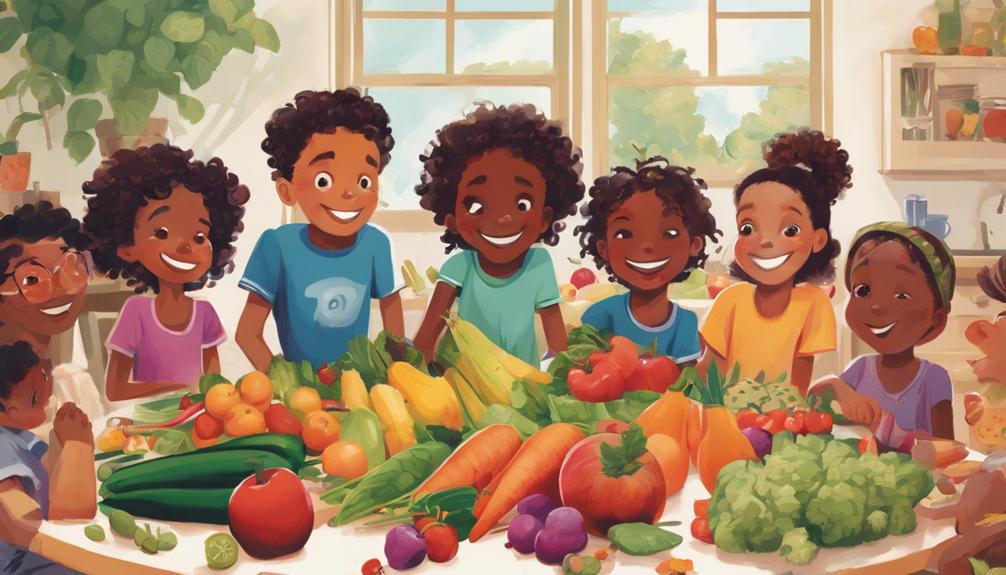
It is apparent that our kids learn by example, so we begin by setting a good example with our own healthy eating habits. We create a positive mealtime environment by turning off screens, engaging in conversations, and encouraging trying new foods. We involve our kids in meal planning, offering a variety of healthy options, and making healthy food fun for them. By limiting unhealthy foods and establishing a regular meal schedule, we help our kids develop healthy habits. And when we're patient and consistent, our kids are more likely to make healthy choices. As we explore these strategies further, we'll discover even more ways to nurture a lifelong love of healthy eating in our kids.
Set a Good Example for Them
By making healthy food choices ourselves, we show our kids that nutritious eating is a normal and enjoyable part of daily life. As parents, we're our kids' most significant role models, and they often mimic our behaviors. When we prioritize healthy eating, our kids are more likely to do the same. We can't expect our kids to develop healthy habits if we're not practicing what we preach.
We need to be mindful of the food choices we make in front of our kids. Whether it's preparing a balanced meal or snacking on fruits and veggies, we're setting an example that our kids will likely follow. We should aim to include a variety of colorful vegetables, whole grains, and lean proteins in our meals. By doing so, we're demonstrating the importance of nutrition and setting our kids up for a lifetime of healthy eating.
Moreover, involving our kids in the cooking process can be a great way to teach them about healthy eating. We can let them help with meal planning and grocery shopping, teaching them about different food groups and how to make healthy choices. By working together in the kitchen, we're not only bonding with our kids but also instilling healthy habits that will benefit them for years to come. By setting a good example and involving our kids in the cooking process, we're giving them the tools they need to develop healthy eating habits that will last a lifetime.
Create a Positive Mealtime Environment
We foster a positive mealtime environment by turning off the TV, putting away our phones, and engaging in lively conversations that make mealtime an enjoyable, screen-free experience. This helps our kids develop healthy relationships with food and appreciate the effort that goes into preparing meals. By doing so, we can create a warm and inviting atmosphere that encourages our children to try new foods and explore different flavors.
To further enhance the mealtime experience, we can focus on building connections and making memories with our kids. Here are some strategies we can use:
| Positive Mealtime Strategies | Benefits for Kids |
|---|---|
| Share stories about our day | Encourages open communication and bonding |
| Ask open-ended questions | Fosters critical thinking and curiosity |
| Show appreciation for the meal | Teaches gratitude and appreciation for effort |
| Make mealtime a sensory experience | Engages kids' senses and stimulates appetite |
Involve Kids in Meal Planning
As we endeavor to involve our kids in meal planning, we're not only teaching them essential life skills, but also encouraging them to take ownership of their food choices. We can start by assigning them simple meal planning tasks, such as making a grocery list or helping to plan a meal for the week. By doing so, we're empowering them to make informed decisions and choose healthy options that they'll actually enjoy eating.
Meal Planning Tasks
Letting kids help with meal planning tasks not only teaches them valuable skills, but also encourages them to take ownership of their food choices. By involving them in the process, we can help them develop healthy eating habits and a positive relationship with food.
Here are some meal planning tasks we can delegate to kids:
| Task | Age Range | Benefits |
|---|---|---|
| Creating a grocery list | 6+ | Develops reading and writing skills |
| Planning a meal | 8+ | Encourages creativity and decision-making |
| Preparing a simple meal | 10+ | Teaches cooking skills and independence |
| Making a meal schedule | 12+ | Fosters organization and time management |
Choose Healthy Options
One effective way to involve kids in meal planning is to encourage them to choose healthy options by presenting them with a variety of nutritious ingredients and meal ideas. By doing so, we're empowering them to make informed decisions about the food they eat. This approach not only fosters healthy eating habits but also helps build their confidence in the kitchen.
Let's imagine a scenario where our kids are surrounded by an array of colorful fruits, crisp vegetables, whole grains, and lean proteins. We can ask them to pick their favorite ingredients and help us create a meal that's both delicious and nutritious. Here are some ideas to get us started:
- Rainbow Salad Bar: Set up a salad bar with mixed greens, cherry tomatoes, cucumbers, carrots, and a variety of fruits, and let our kids create their own masterpieces.
- Taco Fiesta: Offer a range of toppings, including lean ground beef, black beans, avocado, salsa, and shredded cheese, and let our kids assemble their own tacos.
- Bento Box Bonanza: Prepare a variety of finger foods, such as edamame, hard-boiled eggs, and sliced cucumbers, and let our kids create their own bento boxes.
- Smoothie Bar: Set up a smoothie bar with frozen fruits, yogurt, and milk, and let our kids blend their own creations.
Offer a Variety of Healthy Options
As we aim to promote healthy eating habits in our kids, we recognize that offering a variety of healthy options is essential. We can begin by stocking our homes with fresh food, making healthy choices when we’re at the store, and preparing meals that are packed with nutrients. By doing so, we’re providing our children with a solid foundation for developing healthy eating habits that will last a lifetime. Additionally, involving kids in meal preparation and educating them about nutrition can make them more interested in making healthy choices. Encouraging regular family meals and limiting processed snacks are also effective childhood obesity prevention strategies that contribute to long-term wellness. By fostering a positive relationship with food, we help children develop habits that support their overall health and well-being.
Fresh Food at Home
We stock our pantry and fridge with a variety of whole, unprocessed foods to make sure we're always prepared to whip up a nutritious meal or snack. This way, we can guarantee that our kids are fueling their bodies with the good stuff. Having a well-stocked kitchen promotes healthy eating habits and makes mealtime a breeze.
Here are some staples we always keep on hand:
- Fresh fruits: a colorful array of apples, bananas, and berries
- Leafy greens: crisp lettuce, spinach, and kale for salads and sautés
- Protein powerhouses: chicken breast, salmon fillets, and tofu for versatile meals
- Whole grains: brown rice, quinoa, and whole-wheat bread for fiber-rich meals
Healthy Store Choices
When we're at the store, we make a beeline for the produce section, where we load up on a rainbow of fruits and veggies to guarantee our kids have a variety of healthy options to choose from. We believe it's essential to offer our children a wide range of wholesome foods to encourage healthy eating habits. By doing so, we're empowering them to make informed choices and develop a lifelong love for nutritious food.
We also make sure to explore other aisles, selecting whole grain bread, lean proteins, and low-fat dairy products. We're mindful of packaged snacks, opting for nuts, dried fruits, and veggie sticks with hummus instead of processed treats. By stocking our pantry with healthy staples, we're setting our kids up for success. We're teaching them that healthy eating is a habit that can be maintained with a little planning and creativity. By making healthy store choices, we're giving our children the foundation they need to develop a lifelong appreciation for wholesome food.
Nutrient-Dense Meal Prep
By prepping a variety of nutrient-dense meals in advance, we're ensuring our kids have access to healthy options that will fuel their growing bodies and minds. This approach not only saves time during the week but also helps us avoid relying on processed or convenience foods. We're taking control of what our kids eat, and that's incredibly empowering.
Here are some examples of nutrient-dense meals we can prep ahead of time:
- Veggie-packed quiches filled with spinach, bell peppers, and onions
- Grilled chicken breast marinated in a mixture of olive oil, lemon juice, and herbs
- Roasted sweet potato and black bean tacos with avocado salsa
- Overnight oats with rolled oats, almond milk, and mixed berries
Make Healthy Food Fun for Kids
Let's transform mealtime into a fun, interactive experience that kids will excitedly anticipate by presenting healthy food in creative ways that spark their imagination. We can do this by making mealtime a sensory experience. For instance, we can create a fruit kebab with grapes, strawberries, and pineapple, and serve it on a stick with a fun name like "Rainbow Delight." We can also make a vegetable face on a plate using sliced carrots, cucumbers, and cherry tomatoes, and create a story around it. This will not only make mealtime engaging but also encourage kids to try new foods.
We can also involve kids in the cooking process, letting them help with meal planning and grocery shopping. This will give them a sense of ownership and excitement about trying the new dishes they helped create. Additionally, we can make mealtime a special bonding experience by turning off the TV, putting away electronic devices, and having meaningful conversations. By doing so, we'll create a positive association with healthy food and make mealtime a cherished experience.
Limit Unhealthy Food and Drinks
As parents, we need to establish boundaries and limits on unhealthy food and drinks to guarantee our kids develop healthy eating habits from an early age. By setting these limits, we can prevent unhealthy cravings and overconsumption of foods that hinder our children's overall well-being.
We're not saying our kids can't have treats occasionally, but we need to be mindful of the frequency and portion sizes. It's essential to set a good example by modeling healthy eating habits ourselves. Here are some unhealthy foods and drinks we should limit or avoid:
- Sugary drinks: Limit soda, sports drinks, and sweet tea or coffee, which are high in added sugars and calories.
- Processed snacks: Restrict or avoid chips, cookies, and candy, which are high in unhealthy fats, salt, and added sugars.
- Fried foods: Limit or avoid fried chicken, french fries, and doughnuts, which are high in calories and unhealthy fats.
- High-sugar cereals: Opt for whole-grain cereals with less added sugar and artificial ingredients.
Establish a Regular Meal Schedule
Establishing a regular meal schedule helps us teach our kids when to expect their next meal or snack, reducing the likelihood of overeating or making unhealthy impulse choices. By establishing a routine, we can help our children develop healthy eating habits and a positive relationship with food.
When we plan our meals in advance, we're more likely to make healthier choices and avoid relying on convenience or processed foods. This, in turn, helps our kids develop a taste for whole, nutritious foods like fruits, vegetables, and whole grains. A regular meal schedule also helps us avoid the stress and chaos that can come with last-minute meal planning, allowing us to create a more peaceful and enjoyable dining experience for our families.
Additionally, having set mealtimes helps our kids develop self-regulation skills, such as recognizing their hunger and fullness cues, and learning to wait for their next meal or snack. This can be especially helpful for children who struggle with overeating or have trouble controlling their food intake. By establishing a regular meal schedule, we're giving our kids the tools they need to develop healthy eating habits that will benefit them for years to come.
Be Patient and Consistent Always
Recognizing the importance of developing healthy eating habits in our kids, we acknowledge that it takes time, effort, and perseverance, and that's why it's essential to be patient and consistent always. As parents, we've all been there – trying to get our little ones to eat their veggies or trade in their favorite junk food for a healthier option. It can be frustrating, but it's vital to remember that developing healthy habits takes time.
We can't expect our kids to change their eating habits overnight. It's a process that requires patience, consistency, and positive reinforcement. By setting a good example and making healthy choices ourselves, we can encourage our kids to do the same.
Here are a few ways we can create a supportive environment that fosters healthy eating habits:
- Create a routine: Establish a regular meal schedule to help our kids develop healthy eating habits.
- Make it fun: Engage our kids in meal planning and grocery shopping to make healthy eating a fun, family affair.
- Be a role model: Show our kids that healthy eating is important by making healthy choices ourselves.
- Celebrate small victories: Praise our kids for making healthy choices, no matter how small they may seem.
Make Healthy Snacks Easily Accessible
We can make healthy eating habits even more appealing to our kids by making nutritious snacks easily accessible to them whenever they need a quick energy boost. This way, our kids are more likely to reach for a healthy option when they're hungry between meals. We can achieve this by stocking our pantry and fridge with a variety of healthy snack options, such as fresh fruits, cut veggies with hummus, and whole-grain crackers with peanut butter.
We can also involve our kids in the process of preparing healthy snacks, which can be a fun and educational experience for them. For instance, we can let them help us wash and slice fresh fruits, or assemble their own trail mix with nuts and dried fruits. By giving them a sense of ownership and control over their snack choices, we can encourage them to make healthier decisions.
Another strategy is to make healthy snacks visible and easily accessible in our homes. We can place a fruit bowl on the kitchen counter, or store healthy snacks in clear containers on the kitchen shelves. By making healthy options easily accessible and visible, we can encourage our kids to make healthy choices without even thinking about it.
Frequently Asked Questions
How Can I Get My Picky Eater to Try New Foods?
We've all been there – dealing with a picky eater who refuses to try new foods! It's frustrating, but don't give up. We've found that making mealtime fun and engaging helps. Let our kids help with meal planning and grocery shopping. They're more likely to try new foods if they had a hand in choosing them. We also try to start small, introducing new foods alongside their favorites. It's all about patience and persistence!
Should I Force My Child to Eat Everything on Their Plate?
"We're stuck in a culinary standoff, where mealtime becomes a battleground. Forcing our child to clean their plate can lead to unhealthy relationships with food and even eating disorders. Instead, we choose to guide them towards mindful eating, letting them listen to their bodies and stop when satisfied. By doing so, we're fostering a positive relationship with food and teaching them to respect their hunger cues."
Are There Any Healthy Alternatives to Common Kid-Friendly Snacks?
We're always on the lookout for healthier options for our little ones' snack time. Fortunately, there are plenty of alternatives to common kid-friendly snacks. We swap goldfish crackers for whole-grain animal crackers or air-popped popcorn. We also love offering fresh fruit kebabs with yogurt dip or homemade trail mix with nuts and dried fruits. These easy swaps make snack time a breeze while fostering healthy habits from a young age.
Can I Still Allow Treats on Special Occasions or Holidays?
Coincidentally, we've all been there – stuck between wanting to indulge our little ones on special occasions and promoting healthy habits. Honestly, we think it's okay to allow treats on special days. It's all about balance. We can set boundaries, like limiting portion sizes or making healthier alternatives, while still making memories with our kids. By doing so, we're teaching them moderation and self-control, essential life skills.
How Long Does It Take for Kids to Develop Healthy Eating Habits?
We've found that it takes kids around 2-3 months to adjust to new foods and develop healthy eating habits. Consistency is key! We've seen kids go from being picky eaters to enjoying a variety of fruits and veggies with patience and persistence. It's amazing how quickly they adapt when we lead by example and make healthy choices a family affair!