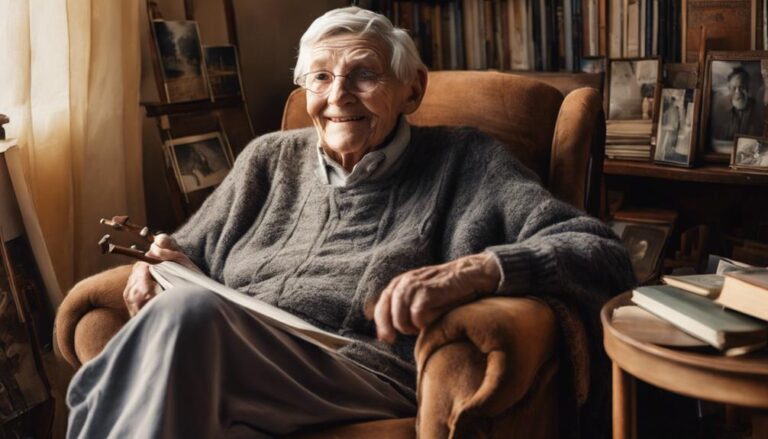
We're committed to creating a safe and supportive home environment for our elderly loved ones. To start, we remove tripping hazards and clutter to reduce the risk of falls. Next, we improve lighting and visibility to combat declining vision. We also secure furniture and appliances to prevent accidents and adapt the bathroom with non-slip mats, grab bars, and emergency alert systems. Finally, we manage medication and health by tracking intake, monitoring health, and keeping a journal. By following these steps, we can create a safe haven for our loved ones – and with a few more simple steps, we can guarantee their comfort and independence.
Remove Tripping Hazards and Clutter
We can greatly reduce the risk of falls by removing tripping hazards and clutter from our homes, creating a safer environment for our elderly loved ones. As we age, our reflexes slow down, and our sense of balance can become less reliable. Add to that the presence of tripping hazards, and it's a recipe for disaster. By clearing our homes of clutter and tripping hazards, we can notably decrease the risk of falls, which are a leading cause of injuries and hospitalizations among the elderly.
We can start by conducting a thorough walk-through of our homes, identifying potential tripping hazards such as loose rugs, electrical cords, and cluttered walkways. We can then take steps to remove or secure these hazards, ensuring that our floors are clear and our walkways are wide and obstacle-free. We can also install handrails in key areas, such as stairways and bathrooms, to provide additional support and balance.
Additionally, we can encourage our elderly loved ones to wear supportive shoes with good traction, and to avoid wearing loose clothing that could get caught on objects. By taking these simple yet effective steps, we can create a safer and more supportive environment for our elderly loved ones, giving them the confidence and independence they deserve.
Improve Lighting and Visibility
How can we guarantee that our elderly loved ones can navigate their surroundings safely and confidently, especially in low-light areas? As we age, our vision declines, making it increasingly difficult to move around comfortably in dimly lit spaces. To assure our elderly loved ones can move around safely and independently, we need to improve lighting and visibility in their living space.
Here are some essential steps to take:
- Increase lighting in key areas: Install brighter bulbs in lamps, sconces, and overhead lighting, especially in corridors, stairways, and areas around furniture.
- Reduce glare and harsh shadows: Use table lamps or floor lamps to create soft, warm lighting that minimizes glare and harsh shadows.
- Improve outdoor lighting: Install motion-sensitive outdoor lights or pathway lighting to illuminate walkways and entrances, guaranteeing a safe and welcoming environment.
Secure Furniture and Appliances
By creating a well-lit environment, we've set the stage for our elderly loved ones to navigate their surroundings safely, and now it's time to turn our attention to the furniture and appliances that can pose a threat to their safety if not properly secured. We want to guarantee that our loved ones can move around freely without worrying about heavy furniture or appliances tipping over.
We can start by anchoring heavy furniture like bookshelves, TVs, and dressers to the walls using anti-tip brackets. This will prevent them from falling and causing injuries. We should also secure appliances like refrigerators, stoves, and washing machines to the floor or walls to prevent them from shifting or falling.
Moreover, we should consider replacing heavy or bulky furniture with lighter and more stable alternatives. For instance, we can replace a heavy wooden coffee table with a lighter, more stable one made of aluminum or glass. Additionally, we can install non-slip mats or coatings on the legs of furniture to prevent them from slipping or sliding.
Adapt the Bathroom for Safety
As we enter the bathroom, one of the most important areas in the home, we'll need to make some vital adjustments to guarantee our elderly loved ones can navigate this space safely and confidently. A single slip or fall can be devastating, so it's essential we take proactive steps to create a safe and accessible bathroom environment.
To start, we'll need to address the biggest threats: slippery floors, inadequate lighting, and inaccessible fixtures. By installing non-slip mats, grab bars, and raised toilet seats, we can greatly reduce the risk of accidents. Additionally, we can:
- Install a walk-in shower or a shower chair to reduce the risk of slipping while getting in and out of the shower
- Use contrasting colors to make important features, such as the toilet and sink, more visible
- Place a phone or emergency alert system within easy reach in case of an emergency
Manage Medication and Health
We must guarantee our elderly loved ones take their medications correctly and manage their health effectively to prevent complications and hospitalizations. This is essential, as incorrect medication use can lead to serious health issues, especially among seniors who often take multiple medications daily. To make sure our loved ones take their meds correctly, we can help them create a pill box or calendar to keep track of their medications. We can also assist them in setting reminders on their phones or clocks to take their meds at the same time every day.
It's also important to monitor their health by scheduling regular doctor's appointments and tracking their vital signs, such as blood pressure and blood sugar levels. We can help them keep a health journal to record their medications, dosages, and any changes in their health. This will enable them to stay on top of their health and identify any potential issues early on. By taking these steps, we can help our elderly loved ones avoid medication errors, prevent hospitalizations, and enjoy a better quality of life. By being proactive and involved in their health management, we can give them the care and support they need to thrive in their golden years.
Frequently Asked Questions
How Can I Help My Elderly Loved One Accept Safety Modifications?
We’ve all been there – wanting to help our elderly loved ones, but struggling to get them on board with safety modifications. It can be tough, especially when they’re used to independence. We’ve found that involving them in the decision-making process and explaining the benefits in a non-patronizing way helps. We also try to focus on the positives, like increased confidence and peace of mind, rather than dwelling on their limitations. Exploring different elder care options together can also make them feel more in control of their choices. Whether it’s simple home modifications or professional caregiving services, presenting these options as ways to maintain their independence rather than restrict it can make a big difference. Ultimately, showing empathy and respecting their wishes helps create a smoother transition to a safer living environment.
Can I Use Smart Home Devices to Monitor Their Safety Remotely?
We're considering using smart home devices to monitor our loved one's safety remotely. This technology can give us peace of mind, allowing us to keep tabs on their daily activities and receive alerts if something seems off. With smart sensors and cameras, we can discreetly check in on them without invading their privacy. It's a great way to guarantee their safety while still respecting their independence.
Are There Any Government Programs to Help Fund Home Safety Modifications?
"We're not just caregivers, we're advocates too. And as we navigate the complex web of home safety modifications, we're relieved to discover that yes, there are government programs to lend a helping hand. The Department of Veterans Affairs, for instance, offers grants for veterans, while the Administration for Community Living provides funding for home modifications that promote independent living. We're grateful for these resources, which allow us to create safer, more supportive environments for our loved ones."
How Can I Balance My Loved One's Independence With Their Safety Needs?
As we navigate caregiving, we're constantly weighing our loved one's independence against their safety needs. We want to empower them to maintain autonomy while ensuring their well-being. We're finding it's a delicate balance, but one that's essential for their overall health and happiness. By having open conversations, setting boundaries, and finding solutions that work for everyone, we're learning to prioritize both independence and safety, allowing our loved ones to thrive.
What Are the Most Common Injuries That Occur in Elderly Homes?
Falls, fires, and fragile fractures – the frightening trio that haunts elderly homes. We've seen it time and again: a slip on the stairs, a forgotten candle, or a tumble in the tub. These common culprits lead to devastating injuries, turning daily routines into challenging obstacles. As caregivers, we must stay vigilant, identifying and addressing these hazards to guarantee our loved ones' safety and independence.