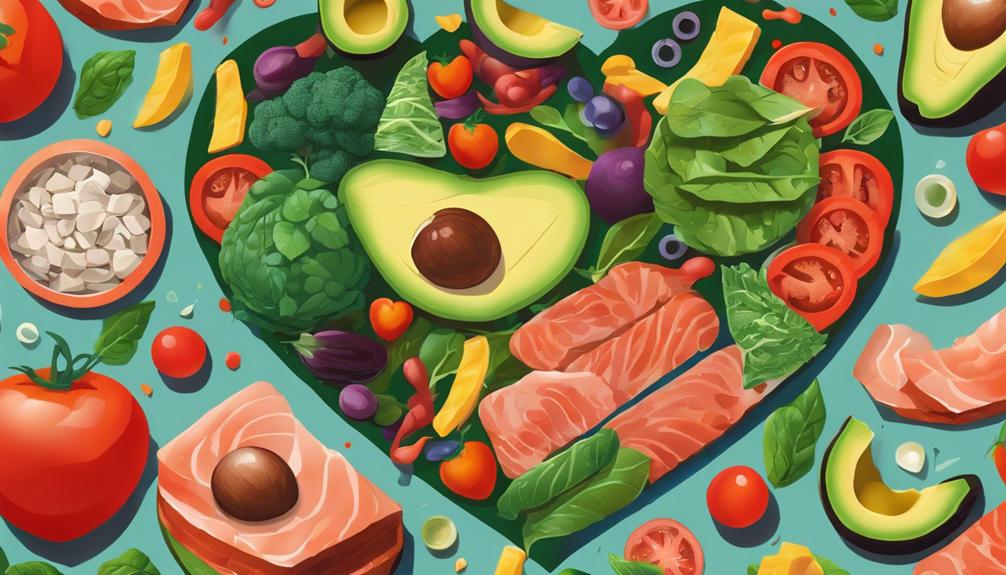
It is well-established that eating the right foods can greatly reduce our risk of heart disease. To start, we reach for fatty fish like salmon and sardines, which are packed with omega-3s that lower triglycerides and inflammation. Leafy greens, berries, and nuts are also must-haves, thanks to their antioxidant powers. Avocados and olive oil bring healthy fats to the table, while whole grains and beans provide fiber and energy. By incorporating these heart-healthy foods into our diets, we can take a big step towards a longer, healthier life. Now, let's take a closer look at how each of these foods can benefit our hearts.
Fatty Fish for Omega-3 Richness
We typically consume fatty fish at least twice a week to reap the benefits of their omega-3 richness. We're not alone in this habit – the American Heart Association recommends including fatty fish in our diets to support heart health. And for good reason! Omega-3 fatty acids, specifically EPA and DHA, have been shown to lower triglycerides, slow the growth of plaque in arteries, and reduce inflammation. All of which can help reduce our risk of heart disease.
We're lucky to have a variety of fatty fish to choose from, each with its own unique flavor and nutritional profile. Salmon is a favorite of ours, with its rich flavor and high omega-3 content. We also enjoy mackerel, sardines, and anchovies – all of which are packed with omega-3s and low in mercury. And let's not forget about tuna, a convenient and affordable option that's rich in protein and omega-3s.
When it comes to preparing fatty fish, we like to keep things simple. Grilled or baked salmon with a squeeze of lemon and a sprinkle of herbs is a staple in our household. We also enjoy adding canned sardines to our salads or pasta dishes for a boost of omega-3s. By incorporating fatty fish into our diets, we're not only supporting our heart health, but also nourishing our bodies with essential nutrients.
Leafy Greens for Antioxidant Boost
Packed with vitamins, minerals, and antioxidants, leafy greens like kale, spinach, and collard greens provide a powerful boost to our heart health. We can't get enough of these superfoods! Rich in vitamins A, C, and K, as well as minerals like potassium and calcium, leafy greens help lower blood pressure, reduce inflammation, and improve overall cardiovascular health.
We love that leafy greens are so versatile – we can add them to salads, sauté them with garlic as a side dish, or blend them into a nutritious smoothie. And the best part? They're incredibly affordable and accessible, making them a great addition to a heart-healthy diet. Plus, they're low in calories and high in fiber, making them a great choice for weight management.
We're also big fans of the antioxidants found in leafy greens, which help protect our hearts from damage caused by free radicals. These antioxidants, including beta-carotene and lutein, work to neutralize oxidative stress and inflammation, reducing our risk of heart disease. By incorporating leafy greens into our diet, we're giving our hearts the best possible chance to thrive. So, let's get creative and find new ways to add these superfoods to our meals – our hearts will thank us!
Berries for Heart-Healthy Antioxidants
As we savor the nutritional benefits of leafy greens, let's turn our attention to another heart-healthy superstar: berries, which burst with antioxidants that help shield our hearts from damage. Berries are packed with powerful antioxidants like anthocyanins, ellagic acid, and resveratrol, which work to neutralize free radicals that can harm our cardiovascular system. By incorporating berries into our diet, we can help reduce inflammation, improve blood vessel function, and even lower blood pressure.
Some of the top berry picks for heart health include:
- Blueberries: Rich in anthocyanins, which have been shown to improve blood vessel function and lower blood pressure.
- Raspberries: High in ellagic acid, which has been found to have anti-inflammatory properties.
- Strawberries: Packed with vitamin C and potassium, making them an excellent choice for heart health.
- Acai berries: Contain resveratrol, which has been shown to have anti-inflammatory and anti-clotting properties.
Incorporating berries into our daily diet can be as simple as adding them to our oatmeal or yogurt, blending them into a smoothie, or enjoying them as a healthy snack. By making berries a regular part of our diet, we can take a proactive approach to protecting our heart health and reducing our risk of cardiovascular disease.
Nuts and Seeds for Crunchy Nutrition
As we explore the world of nuts and seeds, we're excited to discover the crunchy snack options that can boost our heart health. We'll explore the unique benefits of seed-based nutrition and how these tiny powerhouses can pack a big punch. By munching on nutrient-dense nuts and seeds, we're taking a proactive step towards a healthier heart.
Crunchy Snack Options
We reach for crunchy snacks to curb our hunger and satisfy our cravings, and fortunately, many nuts and seeds provide a nutritious and delicious solution. These crunchy treats are packed with healthy fats, protein, and fiber, making them an excellent choice for a quick pick-me-up.
Some of our favorite crunchy snack options include:
- Almonds, rich in vitamin E and magnesium
- Pumpkin seeds, a good source of zinc and protein
- Sunflower seeds, high in vitamin B6 and selenium
- Cashews, a tasty way to get our daily dose of copper and zinc
We love that these snacks are not only delicious but also offer a range of health benefits. By incorporating these nuts and seeds into our daily routine, we can support our heart health and overall well-being. Plus, they're easy to take on-the-go, making them the perfect addition to our busy lives.
Seed-Based Nutrition Benefits
We're fortunate to have these crunchy snacks in our corner, providing a wealth of nutritional benefits that go beyond mere satisfaction of our cravings. Nuts and seeds are packed with healthy fats, protein, and fiber, making them an excellent addition to a heart-healthy diet. Chia seeds, for instance, are rich in omega-3 fatty acids, which help lower triglycerides and blood pressure. Flaxseeds, on the other hand, are a great source of lignans, which have been shown to reduce inflammation and improve cardiovascular health.
We can also reap the benefits of nuts like almonds and walnuts, which are rich in vitamin E and antioxidants. These nutrients help protect against cell damage and oxidative stress, reducing the risk of heart disease. Furthermore, the healthy fats and protein in nuts and seeds help keep us full and satisfied, making them an excellent snack for weight management. By incorporating nuts and seeds into our diet, we can take a proactive approach to maintaining a healthy heart and reducing the risk of cardiovascular disease.
Nutrient-Dense Munching
Snacking on nuts and seeds is a delicious way to prioritize our diets with crunchy nutrition, providing a concentrated dose of healthy fats, protein, and fiber in every bite. As we aim to emphasize heart health, incorporating nuts and seeds into our daily routine can have a significant impact. These tiny powerhouses are packed with nutrients, antioxidants, and omega-3 fatty acids that help lower cholesterol levels and reduce inflammation.
Some of our favorite nutrient-dense munchies include:
- Almonds, rich in vitamin E and magnesium
- Walnuts, bursting with omega-3 fatty acids and antioxidants
- Chia seeds, a rich source of fiber and protein
- Pumpkin seeds, loaded with zinc and magnesium
Avocados for Healthy Fats and Fiber
As we explore the world of heart-healthy foods, we're thrilled to highlight the benefits of avocados, which are packed with healthy fats and fiber. We'll take a closer look at how these nutrient-dense fruits can boost our overall health and wellbeing. From supporting healthy cholesterol levels to regulating blood sugar, we're enthusiastic to uncover the advantages of incorporating avocados into our diets.
Rich in Healthy Oils
Avocados, a rich source of healthy fats and fiber, become a game-changer in our pursuit of heart health when incorporated into our daily diet. By adding avocados to our meals, we're not only supporting heart health but also reaping numerous benefits.
Here are some key advantages of avocados:
- They're rich in monounsaturated fats, which help lower bad cholesterol and increase good cholesterol.
- They're an excellent source of fiber, which can help regulate blood pressure and promote digestive health.
- The potassium content in avocados helps to lower blood pressure and reduce the risk of heart disease.
- They contain antioxidants like vitamin E and polyphenols, which help protect against cell damage and oxidative stress.
Fiber-Rich Nutrient Boost
We can greatly enhance our daily fiber intake by incorporating avocados into our meals, which not only supports heart health but also provides a multitude of additional benefits. Avocados are an excellent source of healthy fats, fiber, and various essential nutrients, making them an ideal addition to a heart-healthy diet. By consuming avocados, we can expect to experience improvements in our overall digestive health, satiety, and even weight management.
| Benefits of Avocados | Description |
|---|---|
| Heart Health | Lower cholesterol levels, improved blood lipid profiles |
| Digestive Health | Increased fiber intake, regulated bowel movements |
| Weight Management | Improved satiety, reduced calorie intake |
| Nutrient-Rich | Rich in vitamins C and E, potassium, and folate |
Incorporating avocados into our diet can be as simple as adding sliced avocado to our morning toast, blending it into a smoothie, or using it as a topping for our favorite salads. By making this simple change, we can reap the numerous benefits that avocados have to offer, ultimately supporting our overall heart health and well-being.
Olive Oil for Mediterranean Flair
We drizzle olive oil over our salads and vegetables to infuse our meals with a touch of Mediterranean flair, and reap the heart-healthy benefits that come with it. This staple of the Mediterranean diet has been shown to lower total cholesterol and "bad" LDL cholesterol levels, reducing the risk of heart disease. Rich in antioxidants and healthy fats, olive oil is a flavorful way to support our heart health.
When it comes to choosing the right olive oil, we look for high-quality, extra-virgin options that are cold-pressed and extracted from ripe olives. Here are some benefits we can expect from incorporating olive oil into our diet:
- Improved heart health: Olive oil's antioxidants and healthy fats help reduce inflammation and improve blood vessel function.
- Cancer prevention: The antioxidants in olive oil have been shown to have anti-cancer properties, reducing the risk of certain cancers.
- Brain health: Olive oil's antioxidants may also help reduce the risk of age-related cognitive decline and dementia.
- Satiety and weight management: Olive oil's healthy fats help keep us feeling full and satisfied, making it easier to maintain a healthy weight.
Whole Grains for Fiber and Energy
As we explore the Mediterranean diet's heart-healthy staples, whole grains emerge as an essential component, providing a boost of fiber and energy to keep our hearts beating strong. We're not just talking about any old bread or pasta, though – we're talking about whole, unprocessed grains that pack a nutritional punch. Whole grains like brown rice, quinoa, and whole-wheat bread are rich in fiber, which helps to lower cholesterol levels and regulate blood sugar. This, in turn, reduces our risk of heart disease.
But that's not all – whole grains are also a great source of sustained energy. Unlike refined grains, which can cause a spike in blood sugar followed by a crash, whole grains provide a slow and steady release of energy. This means we stay fuller for longer, and we're less likely to reach for unhealthy snacks between meals. We're also more likely to get a good night's sleep, which is essential for heart health.
Incorporating whole grains into our diet is easier than we think. We can start by swapping out white bread for whole-grain bread, or trying new grains like farro or bulgur. We can also add some whole grains to our favorite recipes, like brown rice to our stir-fries or quinoa to our salads. By making these simple changes, we can give our hearts the best possible chance of staying healthy and strong. Additionally, choosing whole-grain snacks like popcorn or whole-grain crackers can help us maintain a healthier diet throughout the day. Just as small dietary changes can lead to long-term health benefits, concrete innovations in real estate are transforming the way we design sustainable and energy-efficient homes. By making mindful choices in both our nutrition and living spaces, we can create healthier lifestyles for ourselves and future generations.
Beans and Legumes for Plant-Based Power
Regularly, a single serving of beans or legumes can provide up to 15 grams of protein, fiber, and complex carbohydrates, making them a nutritional powerhouse for our hearts. As we aim to prioritize heart health, incorporating these plant-based wonders into our diets can have a profound impact. We're not just talking about a slight reduction in blood pressure or cholesterol levels; we're talking about a significant decrease in the risk of heart disease, stroke, and even type 2 diabetes.
But what makes beans and legumes so special? For starters:
- High in Fiber: Legumes are packed with soluble and insoluble fiber, which helps to lower cholesterol levels and regulate blood sugar levels.
- Rich in Antioxidants: Beans and legumes contain a wealth of antioxidants, which combat oxidative stress and inflammation in the body.
- Low in Fat: Most beans and legumes are incredibly low in fat, making them an ideal addition to a heart-healthy diet.
- Versatile and Affordable: With so many varieties to choose from, beans and legumes are an affordable and versatile ingredient that can be incorporated into a wide range of dishes.
Frequently Asked Questions
Can I Eat Canned Tuna for Omega-3 Benefits?
We're often asked if canned tuna's a good source of omega-3s. The answer's a resounding yes! Look for "light" or "skipjack" tuna, which are lower in mercury. A 3-ounce serving provides about 500 milligrams of omega-3s. We recommend draining the liquid and rinsing the tuna with water to reduce sodium intake. So go ahead, add canned tuna to your salads or sandwiches for a nutritious and convenient boost of omega-3s!
Do Frozen Berries Have the Same Antioxidant Power?
We're curious about the antioxidant power of frozen berries too! The good news is that freezing helps preserve the berries' nutrients, including antioxidants. In fact, frozen berries can be just as nutritious as fresh ones. We've found that the freezing process helps lock in the antioxidants, making them just as effective as their fresh counterparts. So, go ahead and enjoy those frozen berries, knowing you're getting a boost of antioxidants in every serving!
Are All Nuts and Seeds Created Equal for Heart Health?
We're curious about nuts and seeds, and whether they're all created equal when it comes to heart health. While they're all nutritious, some stand out for their unique benefits. For instance, walnuts are rich in alpha-linolenic acid, an omega-3 fatty acid that helps lower cholesterol. Almonds, on the other hand, are high in monounsaturated fats, which can improve blood lipid profiles. We think it's essential to mix and match different types to reap the most rewards for our hearts.
Can I Use Coconut Oil Instead of Olive Oil?
We're often asked if we can substitute coconut oil for olive oil, and our answer is it depends. While coconut oil has its health benefits, it's high in saturated fats, which may not be ideal for heart health. Olive oil, on the other hand, is rich in monounsaturated fats that can help lower cholesterol levels. If we're cooking at high heat, coconut oil might be a better choice, but for dressings and low-heat cooking, we stick with olive oil.
Do Cooked Beans Have the Same Nutritional Value as Raw?
The age-old debate: do cooked beans hold a candle to their raw counterparts? We've wondered this ourselves, and the answer might surprise you. While cooking can break down some nutrients, beans are surprisingly resilient. In fact, cooking can increase the bioavailability of certain nutrients like fiber and antioxidants! So, go ahead and simmer those beans – they'll still pack a nutritional punch.