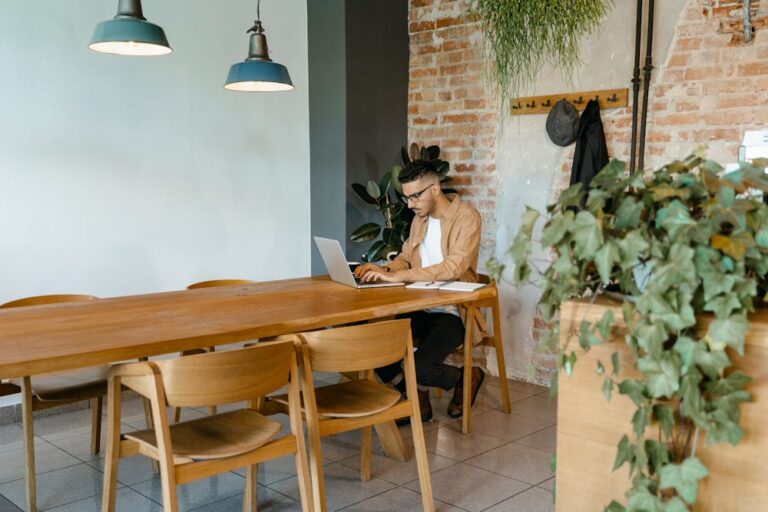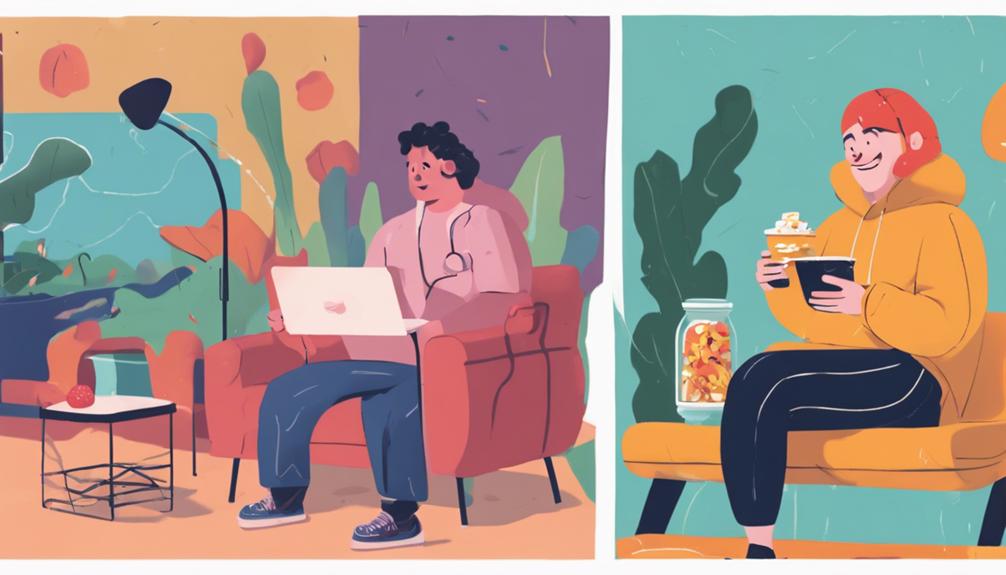
We're sacrificing our health for the comfort of our couches and chairs, and it's time to face the music. Prolonged sitting is sabotaging our well-being, making us feel sluggish, tired, and irritable. It's not just about exercising regularly; it's about breaking the sedentary cycle. We need to identify areas to move more and sit less, scheduling physical activity into our daily planners, and finding enjoyable activities to maintain new habits. We can start small, incorporating simple changes like taking the stairs or moving while we work. As we explore ways to prioritize physical activity, we'll discover a world of possibilities that await us.
The Risks of Prolonged Sitting
Sitting for extended periods can silently sabotage our health, even if we're regular exercisers, as research reveals that the negative effects of prolonged sitting can't be entirely offset by brief bouts of physical activity. It's a concerning reality, especially since many of us spend most of our days sitting at work, commuting, or watching TV. We might think that our daily jog or yoga practice is enough to counterbalance the negative effects of sitting, but unfortunately, it's not that simple.
As caregivers, we understand the importance of prioritizing our own health to better serve others. However, when we're stuck in a sedentary lifestyle, it can be challenging to find the energy and motivation to care for others. We might start to feel sluggish, tired, and irritable, which can negatively impact our relationships and overall well-being.
The truth is, prolonged sitting can lead to a range of negative consequences that go beyond just physical health. It can affect our mental and emotional well-being, too. We might experience anxiety, depression, or feelings of isolation, which can further exacerbate our lack of motivation to engage in physical activity. By acknowledging the risks of prolonged sitting, we can take the first step towards making a change. We can start by incorporating small changes into our daily routine, such as taking short breaks to stretch or going for a short walk during lunch. It's time for us to take control of our health and prioritize our well-being, so we can continue to serve others with energy, compassion, and dedication.
Health Consequences of Inactivity
As we acknowledge the risks of prolonged sitting, we're compelled to explore the alarming health consequences of inactivity, which can manifest in a multitude of ways, from chronic diseases to mental health disorders. When we don't move enough, our bodies suffer. The consequences can be severe and long-lasting.
| Health Consequences | Description |
|---|---|
| Cardiovascular Disease | Increased risk of heart attacks, strokes, and high blood pressure |
| Diabetes and Obesity | Higher likelihood of developing insulin resistance and weight-related issues |
| Mental Health Disorders | Greater risk of depression, anxiety, and other mental health concerns |
We're not just talking about the physical effects; inactivity can also take a toll on our mental well-being. A sedentary lifestyle can lead to feelings of isolation, low self-esteem, and a lack of motivation. The good news is that we can make a change. By incorporating more physical activity into our daily routines, we can reduce the risk of these health consequences and improve our overall quality of life. It's time to take control of our health and make a conscious effort to move more, sit less.
Breaking the Sedentary Cycle
By incorporating small changes into our daily routines, we can break the sedentary cycle and start moving towards a healthier, more active lifestyle. It’s not about making drastic changes overnight, but rather taking small steps towards a more active life. We can start by identifying areas where we can move more and sit less. For instance, we can take the stairs instead of the elevator, walk to a coworker’s desk instead of sending an email, or do a few jumping jacks during commercial breaks while watching TV. Additionally, incorporating short stretching exercises or yoga into our daily schedule can help improve flexibility and reduce stiffness caused by prolonged sitting. Along with physical activity, exploring natural remedies for common ailments, such as using ginger for digestion or lavender for stress relief, can further enhance our overall well-being. By making these small adjustments, we can cultivate healthier habits that contribute to a more energized and active lifestyle.
We can also schedule physical activity into our daily planners, just as we would any other appointment. This could be as simple as a 10-minute walk during our lunch break or a bike ride with family on the weekends. By prioritizing physical activity, we're more likely to make it a habit. Additionally, we can find activities we enjoy, whether it's dancing, swimming, or playing sports, and make them a regular part of our routine. This will make it more likely that we'll stick to our new habits and avoid falling back into a sedentary lifestyle. By working together, we can break the cycle of sedentary behavior and create a culture that values physical activity and overall well-being.
Simple Ways to Stay Active
In our daily lives, we can find opportunities to stay active in simple yet effective ways that don't require a significant overhaul of our routines. We can start by incorporating small changes into our daily habits. For instance, we can take the stairs instead of the elevator, walk to the store instead of driving, or do a few jumping jacks during commercial breaks while watching TV. These may seem like minor adjustments, but they can add up to make a significant difference in our overall activity levels.
We can also try to move more throughout the day by taking short breaks to stretch, jump up and down, or do a few yoga poses. Even small bursts of activity, like 5-10 minutes of movement, can have a positive impact on our health. Additionally, we can make activity a social affair by inviting friends or family members to join us for a walk, bike ride, or game of basketball. This not only makes exercise more enjoyable but also helps us stay accountable and motivated.
Furthermore, we can look for opportunities to stay active while doing daily tasks. For example, we can listen to music or podcasts while doing chores, which can make the task more enjoyable and encourage us to move more. By incorporating these simple strategies into our daily lives, we can stay active, healthy, and energized without feeling overwhelmed or sacrificing too much time.
Creating an Active Lifestyle
We'll take it to the next level by intentionally designing our daily schedules to prioritize physical activity, making exercise a non-negotiable part of our routines. This means we'll need to be intentional about how we spend our time, making sure to carve out space for movement and activity. For us, this might mean waking up earlier to fit in a morning jog or bike ride, or scheduling lunch breaks that involve a walk or yoga practice. By prioritizing physical activity, we'll not only improve our physical health but also boost our energy levels and mental clarity.
To make this a sustainable habit, we'll need to create an environment that supports our active lifestyle. This might mean finding workout buddies or accountability partners to keep us motivated, or investing in fitness classes or personal training sessions that challenge us to push beyond our comfort zones. We can also explore our local communities to find outdoor spaces or recreational facilities that offer opportunities for physical activity, such as hiking trails, bike paths, or community centers with sports leagues.
Frequently Asked Questions
Can I Still Be Active if I Have a Desk Job?
We're like ships stuck in dry dock, feeling stagnant and rusty from our desk-bound lives. But, can we still set sail towards an active lifestyle despite our 9-to-5 jobs? Absolutely! We can take short breaks to stretch, walk to a coworker's desk instead of sending an email, or schedule lunchtime fitness classes. Every small wave of movement counts, and we can ride it towards a healthier, more active us.
How Much Exercise Is Needed to Counteract Sitting?
We're curious about how much exercise is needed to counteract sitting, and the answer varies. Generally, experts recommend at least 30 minutes of moderate-intensity exercise or 15-20 minutes of vigorous-intensity exercise to offset the negative effects of sitting. We can aim for 7,000-10,000 steps daily, incorporating activities like brisk walking, cycling, or swimming. By doing so, we can reduce the risks associated with prolonged sitting and maintain our overall well-being.
Will Being Active Make Me Hungry and Gain Weight?
Coincidentally, we've all been there – wondering if being more active will leave us ravenous and packing on pounds. Surprisingly, it's not always the case. While exercise can increase hunger, it also boosts metabolism, helping our bodies burn calories more efficiently. We've found that when we focus on nutrient-dense foods and balanced portions, being active actually helps us maintain a healthy weight.
Can I Start Being Active if I'm Really Out of Shape?
We totally get it – starting from scratch can be intimidating! But here's the thing: we can absolutely start being active even when we're really out of shape. It's all about taking it slow and being kind to ourselves. We don't have to go from couch to marathon runner overnight! We can begin with short, manageable sessions, like 10-minute walks, and gradually increase our endurance. It's progress, not perfection, that matters.
Do I Need to Join a Gym to Start Being Active?
"We're taking the bull by the horns and diving into the world of fitness! Do we need to join a gym to start being active? Absolutely not! We can start small, taking short walks or doing bodyweight exercises at home. We can even find free workout videos online. The key is to start moving and find activities we enjoy, so we'll stick to them. Let's take the first step – our health will thank us!"