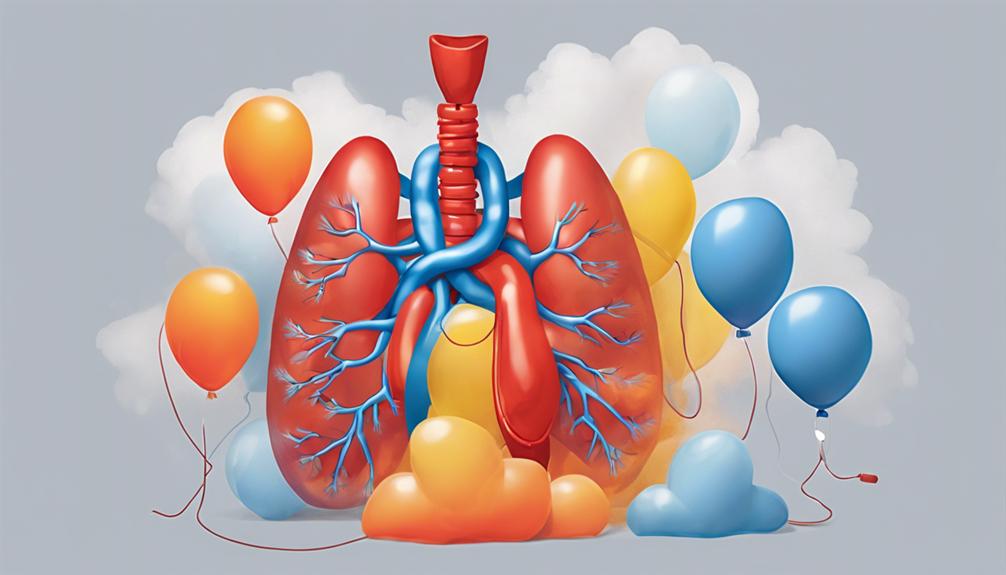
We're about to uncover the complex world of asthma, a condition that affects millions of people worldwide. Asthma attacks can be triggered by genetic predisposition, environmental factors, lifestyle factors, and respiratory infections. Recognizing symptoms like shortness of breath, wheezing, and coughing fits is vital for prevention and alleviation. We'll explore the role of allergies, air pollution, and respiratory infections in asthma. Effective management involves diagnosis, medication, and lifestyle changes. By understanding these factors, we can regain control over our breathing. As we explore further, we'll discover more about how to prevent and manage asthma attacks.
What Causes Asthma Attacks
Experiencing an asthma attack can be a terrifying ordeal, and understanding what triggers these episodes is essential for managing the condition effectively. As caregivers, we need to identify the culprits behind these attacks to provide the best possible support to our loved ones or patients.
We've learned that asthma attacks can be triggered by a combination of genetic, environmental, and lifestyle factors. Genetic predisposition plays a significant role, as people with a family history of asthma or allergies are more likely to develop the condition. Environmental factors, such as air pollution, tobacco smoke, and exposure to allergens like dust mites, mold, and pet dander, can also spark an attack.
Lifestyle factors, including physical exercise, stress, and certain medications, can also contribute to asthma episodes. Additionally, respiratory infections like the common cold and flu can trigger asthma attacks in some individuals. Understanding these triggers allows us to take proactive steps to minimize their impact. By controlling these factors, we can reduce the frequency and severity of asthma attacks, improving the quality of life for those we care for.
Common Asthma Symptoms Explained
As we explore the world of asthma, we've learned that understanding its symptoms is essential for effective management. Now, let's examine the common signs that often indicate an asthma attack is looming: shortness of breath, wheezing and coughing fits, and chest tightness symptoms. By recognizing these telltale signs, we can take proactive steps to prevent and alleviate asthma attacks.
Shortness of Breath Explained
We struggle to catch our breath during an asthma attack, as our airways constrict and our lungs cry out for oxygen. It's a frightening feeling, and one that can be difficult to describe. But for those of us who live with asthma, it's a reality we face far too often.
| What's Happening | What We Experience |
|---|---|
| Airways constrict | Feeling of tightness in the chest |
| Lungs struggle to expand | Difficulty inhaling |
| Oxygen levels drop | Feeling of panic or anxiety |
| Brain sends distress signals | Feeling of desperation |
| Body responds with fear | Feeling overwhelmed |
When we're in the midst of an asthma attack, our bodies are screaming for air. It's a primal, instinctual response, and one that can be incredibly scary. But by understanding what's happening in our bodies, we can better prepare ourselves for those moments when we struggle to breathe. By recognizing the signs and symptoms, we can take control of our asthma and live fuller, healthier lives.
Wheezing and Coughing Fits
Two of the most recognizable hallmarks of asthma – wheezing and coughing fits – can be downright terrifying, especially when they strike without warning. We've all been there – suddenly, we're gasping for air, our chests constricting, and our lungs burning. Wheezing, in particular, is a classic asthma symptom. It's that high-pitched whistling sound that occurs when air flows through narrowed airways. Sometimes, it's so faint we barely notice it; other times, it's loud and unmistakable. Coughing fits, on the other hand, can be exhausting. We might experience them during the day, at night, or even triggered by exercise or allergens. As caregivers, we need to recognize these symptoms and respond quickly. By staying vigilant and proactive, we can help our loved ones manage their asthma and regain control over their breathing. By understanding wheezing and coughing fits, we're better equipped to provide the support and care they need to thrive.
Chest Tightness Symptoms
Tightness in the chest can be a suffocating sensation, like an invisible belt constricting our lungs, making every breath a struggle. When we experience chest tightness, it's as if our airways are narrowing, making it harder to inhale and exhale. This symptom is often accompanied by a feeling of anxiety or panic, which can exacerbate the sensation. We may feel like we're drowning, gasping for air that seems just out of reach.
Chest tightness can manifest in different ways, from a dull ache to a sharp, stabbing pain. It may be constant or come and go, triggered by allergens, exercise, or stress. Sometimes, it's accompanied by other asthma symptoms like wheezing, coughing, or shortness of breath.
It's essential to recognize chest tightness as a warning sign that our asthma is not under control. We should take immediate action to address it, whether it's using our rescue inhaler or adjusting our medication. By being proactive, we can alleviate this uncomfortable symptom and regain control over our breathing.
The Role of Allergies in Asthma
As we explore the complex relationship between asthma and allergies, we'll examine the common triggers that can spark an allergic reaction and potentially exacerbate asthma symptoms. We'll also discuss the intriguing link between asthma and atopy, a predisposition to develop allergies. By understanding these connections, we can develop effective strategies to avoid allergens and better manage our asthma.
Common Allergy Triggers
We frequently encounter allergens in our daily lives, and some of these everyday substances can trigger asthma attacks. As caregivers, it's essential to be aware of these common allergy triggers to create a safer environment for those we're helping. One common culprit is dust mites, tiny insects that live in bedding, carpets, and upholstered furniture. Their waste products and body parts can become airborne, exacerbating asthma symptoms. We should also be mindful of pet dander, especially from cats and dogs, which can trigger allergic reactions. Pollen from trees, grasses, and weeds is another significant allergen, especially during peak pollen seasons. Additionally, mold growth in damp areas, such as basements and bathrooms, can also trigger asthma attacks. By being aware of these common allergens, we can take steps to minimize exposure and create a more asthma-friendly environment for those in our care.
Asthma and Atopy Link
Research has long established a strong connection between allergies and asthma, with many people experiencing both conditions simultaneously, leading us to explore the role of atopy in asthma development and management. As we investigate the relationship between these two conditions, we're struck by the significant overlap between the two. In fact, studies suggest that up to 80% of people with asthma also have allergies. This shouldn't come as a surprise, given that both conditions involve an overactive immune response.
When we look at the specific allergens that trigger asthma symptoms, we see a clear pattern emerging. Common allergens like dust mites, pollen, and mold can spark an allergic response, which in turn can trigger asthma symptoms. This means that managing allergies is an essential part of managing asthma. By understanding the specific allergens that trigger our asthma symptoms, we can take steps to avoid or minimize our exposure to them. This, in turn, can help us better manage our asthma and breathe easier.
Allergen Avoidance Strategies
By identifying and avoiding the specific allergens that trigger our asthma symptoms, we can greatly reduce the frequency and severity of asthma attacks. This is especially important for people with allergic asthma, where allergens like dust mites, pet dander, mold, and pollen can exacerbate symptoms.
To effectively avoid allergens, we need to understand what triggers our symptoms. Here are some strategies to help us do so:
- Monitor our environment: Keep a diary to track when symptoms occur and what we were exposed to beforehand.
- Remove allergens from our homes: Use allergen-proof bedding, wash fabrics in hot water, and remove carpets and rugs.
- Avoid outdoor allergens: Stay indoors when pollen counts are high, and avoid areas with high mold growth.
- Wear a mask: When outdoors, wear a mask to filter out allergens.
Respiratory Infections and Asthma
One in five asthma attacks are triggered by respiratory infections. As caregivers, it is crucial to grasp the connection between these two health issues to provide better support to our loved ones. Respiratory infections, such as the common cold, flu, and pneumonia, can trigger asthma symptoms, making it essential to manage respiratory infections effectively.
| Respiratory Infection | Asthma Symptoms | Prevention Strategies |
|---|---|---|
| Common Cold | Wheezing, coughing, shortness of breath | Practice good hygiene, avoid close contact with infected individuals |
| Flu | Inflammation, airway constriction, asthma attacks | Get vaccinated, maintain a healthy lifestyle |
| Pneumonia | Severe asthma symptoms, hospitalization | Practice good hygiene, get vaccinated, manage underlying health conditions |
When there is a clear understanding of the connection between respiratory infections and asthma, we can take proactive steps to prevent and manage asthma attacks. This includes encouraging our loved ones to practice good hygiene, get vaccinated, and maintain a healthy lifestyle. By doing so, we can reduce the risk of respiratory infections and alleviate asthma symptoms. As caregivers, it's our responsibility to educate ourselves and our loved ones on the importance of managing respiratory infections to prevent asthma attacks. By working together, we can create a healthier environment for those we care for.
How Air Pollution Affects Asthma
We're all too familiar with the feeling of breathing in polluted air, and for people with asthma, it can be particularly hazardous. Air pollution can trigger asthma attacks, and even make symptoms worse. The effects of air pollution on asthma can be devastating, and it's essential to understand how it affects us.
Air pollution comes in many forms, including particulate matter, ozone, and nitrogen dioxide. These pollutants can irritate our airways, making it harder to breathe and triggering asthma symptoms. For people with asthma, exposure to air pollution can lead to increased wheezing, coughing, and shortness of breath.
Here are some key ways air pollution affects asthma:
- Increased symptoms: Air pollution can trigger asthma symptoms, making them worse and more frequent.
- Asthma attacks: Exposure to air pollution can lead to severe asthma attacks, which can be life-threatening.
- Increased medication use: When air pollution triggers asthma symptoms, people with asthma may need to use their medication more frequently.
- Reduced lung function: Long-term exposure to air pollution can reduce lung function, making it harder to breathe and exercise.
Asthma Diagnosis and Testing
When we suspect asthma, our doctors will typically conduct a series of tests to diagnose the condition and rule out other possible causes of our symptoms. The goal is to determine if our symptoms are indeed caused by asthma and to identify the severity of the condition.
To start, our doctor will ask us questions about our symptoms, medical history, and lifestyle. They'll want to know when our symptoms occur, how often they happen, and what makes them better or worse. They'll also perform a physical exam to listen to our lungs and look for signs of asthma.
Next, we may undergo lung function tests, which measure how well our lungs work. These tests can include spirometry, which assesses how much air we can exhale and how fast we can exhale it. We might also take a methacholine challenge, which tests how our airways respond to a specific substance. If our symptoms are triggered by exercise or other physical activities, we might undergo an exercise challenge to see how our lungs respond.
In some cases, our doctor might order allergy tests to determine if allergies are contributing to our symptoms. They might also order imaging tests, such as X-rays or CT scans, to rule out other conditions that could be causing our symptoms. By combining the results of these tests, our doctor can make an accurate diagnosis and develop a treatment plan tailored to our specific needs.
Managing Asthma With Medication
After our doctor has diagnosed our asthma and identified the severity of the condition, we'll work together to develop a treatment plan that often includes medication to manage our symptoms and prevent attacks. As we navigate our treatment plan, we'll rely on medication to help control our asthma symptoms and prevent future attacks.
Our medication plan will likely involve a combination of quick-relief and long-term control medications. Quick-relief medications, such as bronchodilators, help relieve sudden asthma symptoms, while long-term control medications, like inhaled corticosteroids, reduce inflammation and prevent symptoms.
Here are some key points to keep in mind when managing our asthma with medication:
- Take medication as prescribed: It's essential to take our medication exactly as prescribed by our doctor to ensure our asthma symptoms are well-controlled.
- Use an inhaler correctly: We should learn how to use our inhaler correctly to guarantee the medication reaches our lungs effectively.
- Monitor our symptoms: We should keep track of our symptoms and adjust our medication plan as needed.
- Communicate with our doctor: Regular check-ins with our doctor will help us stay on top of our asthma management and make any necessary adjustments to our medication plan.
Lifestyle Changes for Asthma Control
In addition to medication, making simple lifestyle changes can greatly help control our asthma symptoms and improve our overall well-being. By incorporating these changes into our daily routine, we can better manage our condition and reduce the risk of asthma attacks. This includes maintaining a healthy diet, exercising regularly, and avoiding known triggers such as smoke and allergens. Managing stress is also important, as high stress levels can contribute to both asthma flare-ups and hormonal imbalance symptoms. By adopting these habits, we can support our respiratory health and enhance our quality of life.
One of the most significant lifestyle changes we can make is to quit smoking and avoid secondhand smoke. Smoking is a major asthma trigger, and quitting can greatly reduce our symptoms. We should also avoid strong chemicals, fragrances, and cleaning products that can trigger asthma attacks.
Exercise is another vital aspect of asthma management. Regular physical activity can help improve our lung function and overall health. However, it's important to consult with our doctor before starting any new exercise program to make sure it's safe for our specific condition.
We should also pay attention to our diet, as a healthy and balanced diet can help reduce inflammation and improve our overall health. Foods rich in omega-3 fatty acids, antioxidants, and fiber can be particularly beneficial.
Frequently Asked Questions
Can Asthma Be Cured or Only Managed?
We've often wondered, can asthma be cured or only managed? Unfortunately, the short answer is that asthma currently has no cure. We can't simply take a pill or undergo a procedure to eliminate it. However, we can effectively manage our symptoms and prevent attacks with the right treatment plan, medication, and lifestyle changes. By working closely with our healthcare provider, we can breathe easier and live a fulfilling life despite our asthma.
Is Asthma Primarily a Childhood Disease?
The perpetual myth that asthma is just for kids! We're here to burst that bubble. Newsflash: asthma can strike at any age! It's not just a childhood disease, folks. We've seen adults diagnosed in their 40s, 50s, and beyond. In fact, adult-onset asthma is a real thing, often triggered by environmental factors or hormonal changes. So, let's ditch the stereotype and focus on supporting all individuals affected, regardless of age.
Can You Outgrow Asthma or Does It Last Forever?
We've wondered, can we outgrow asthma or is it a lifelong companion? The good news is, some of us can outgrow it, especially if it starts in childhood. However, for many, asthma is a chronic condition that requires ongoing management. Even if symptoms fade, we shouldn't assume it's gone for good – it can come back. We need to stay vigilant and work with our healthcare providers to keep our asthma under control.
Is Asthma Only Triggered by Outdoor Allergens?
Did you know that 8.3% of adults in the US have asthma? We're often asked if asthma is only triggered by outdoor allergens, and the answer is no. While outdoor allergens like pollen and mold can trigger symptoms, indoor allergens like dust mites, pet dander, and cockroaches can also trigger attacks. Additionally, irritants like tobacco smoke, strong fragrances, and air pollution can exacerbate asthma symptoms. It's essential to identify and avoid these triggers to manage our asthma effectively.
Can Asthma Be Prevented in High-Risk Individuals?
We're often asked if asthma can be prevented in high-risk individuals, and the answer is yes, to some extent. While there's no surefire way to completely prevent asthma, research suggests that certain measures can reduce the risk. For instance, breastfeeding, avoiding tobacco smoke, and limiting exposure to air pollution can all help. We also recommend monitoring and managing environmental exposures, especially in high-risk groups like young children and those with a family history of asthma.